Global plastics treaty talks collapse, and other nature and climate news
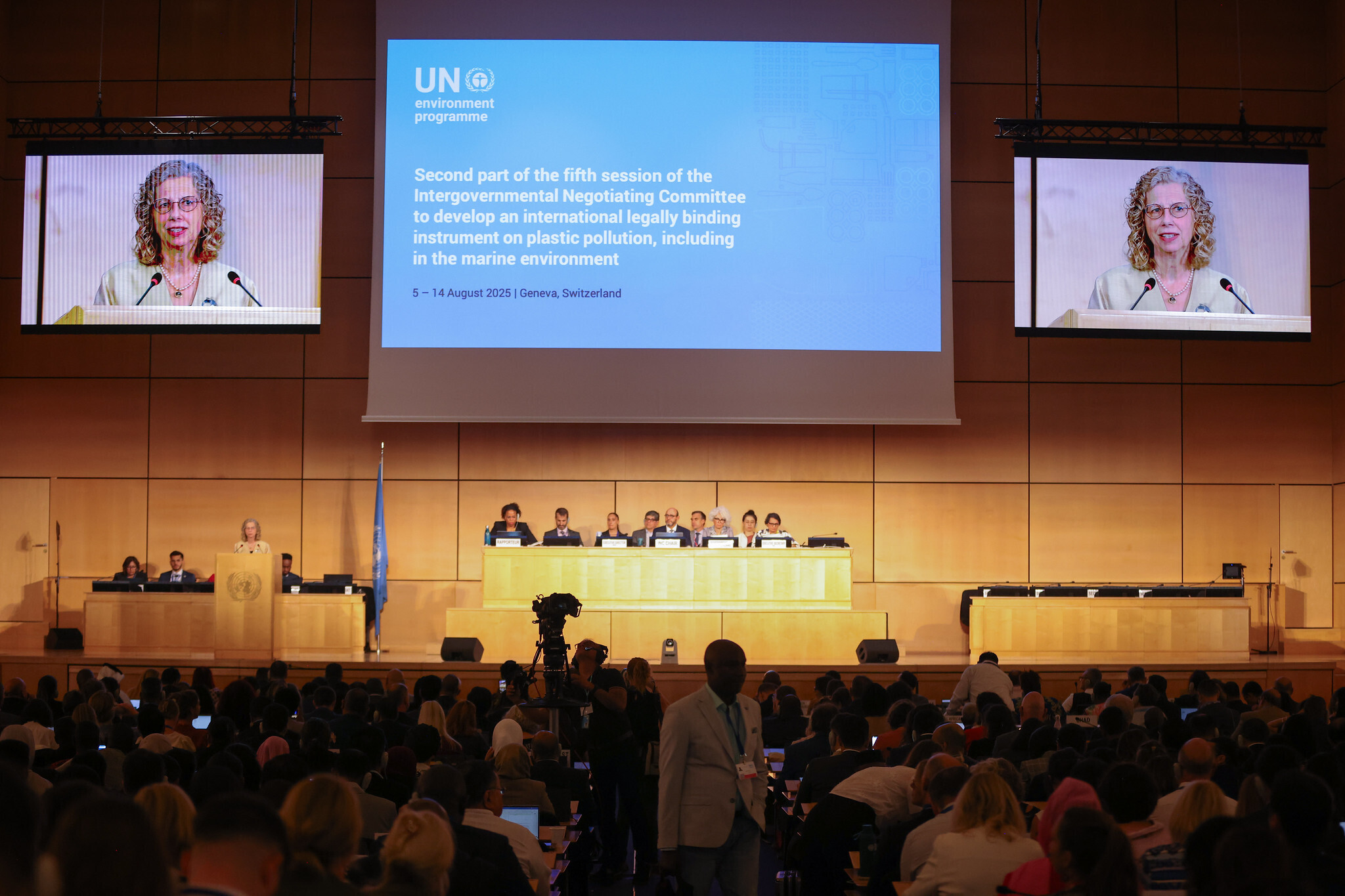
Talks to develop a landmark treaty to end plastic pollution have once again failed. Image: Florian Fussstetter/ UNEP
- This weekly round-up contains the key nature and climate news from the past week.
- Top nature and climate news: Global plastics treaty talks breakdown; biochar could solve fertilizer shortages; severe flooding in Pakistan.
1. What happened at INC-5.2
No agreement to reach stricter, enforceable rules to reduce plastic pollution was achieved after 10 days of negotiations by nations at the second part of the fifth session of the Intergovernmental Negotiating Committee on plastic pollution, including in the marine environment (INC-5.2).
The INC-5.2 negotiations, which took place from 5-14 August, aimed to finalise a legally binding global treaty to end plastic pollution, addressing the full lifecycle of plastics from design to disposal.
The meeting drew more than 2,600 participants, with more than 1,400 member delegates from 183 countries.
Each nation must agree to any proposals in the treaty and consensus could not be reached on key issues, such as whether the treaty should impose caps on new plastic production or put its focus instead on waste management, reuse and improved design.
Talks will resume in the future, though no date has been set. Despite the disappointment of all involved, INC Chair Ambassador Luis Vayas Valdivieso expressed optimism in a statement: "It should not lead to discouragement. On the contrary, it should spur us to regain our energy, renew our commitments, and unite our aspirations.”
To learn more about what led to these critical negotiations, what happened this month and what’s next for a plastics treaty, read our explainer.
2. Biochar from human waste could solve fertilizer shortages
A type of engineered charcoal made from human waste could help to solve global fertilizer shortages, a study has found.
Biochar is made from organic matter treated at high heat, which can then be used as fertilizer by the agricultural industry. The new research estimates that biochar made from human waste could provide up to 7% of the phosphorus – a key component of fertilizer – used around the world each year.
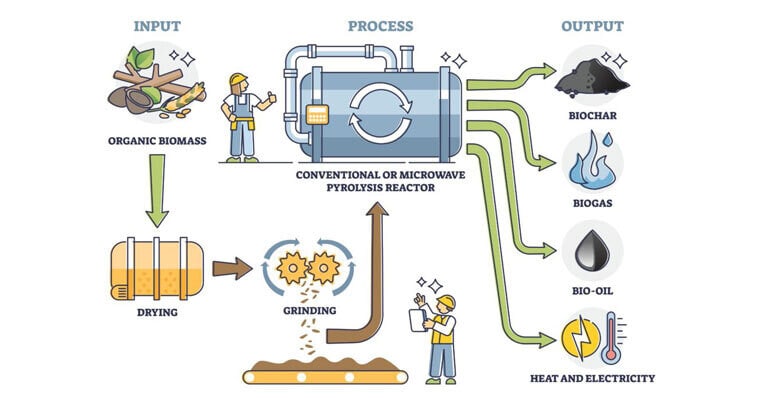
The researchers also found that the process of creating biochar could decrease both the weight and volume of solid waste by up to 90%, which will help to reduce storage and transport costs, as well as decarbonize the process further.
The current process of transporting sewage sludge is inefficient due to its high water content, which makes it heavy.
The biochar production process has one other advantage too. It allows the proportions of nutrients present to be adjusted according to the needs of individual crops, helping to tackle weed growth and runoff pollution.
3. News in brief: Other top nature and climate stories this week
Severe flooding in Pakistan has killed over 300 people since 15 August. Heavy rain has caused flash foods as well as mud and rock slides, ruining local infrastructure and threatening lives, as you can see in the following video:
In Alaska meanwhile, newly installed barriers have managed to prevent record levels of flooding in the capital city, after the nearby Mendenhall Glacier released a surge of rainwater and snowmelt.
The timelapse below shows the glacier rising steadily and then suddenly dropping within a short span of two weeks. The temporary barriers “really have protected our community”, Juneau city manager Katie Koester told a news conference.
In Spain, firefighters battled 20 major wildfires over the weekend. The situation became so dire that the government was forced to deploy an additional 500 troops from the military emergency unit to support firefighting operations, Reuters reports.
The UK's seas have been particularly warm this year, so much so that new species have been brought to its waters. Scientists have observed a range of species not usually widespread in UK waters, including octopus, bluefin tuna and mauve stinger jellyfish, the BBC reports.
Geneva has made public transport temporarily free of charge, with the aim of tackling a spike in air pollution across the city. This comes after the city's anti-smog system showed that ozone concentrations had exceeded safety thresholds. Ozone pollution can cause respiratory issues and headaches.
Climate change is harming a world heritage site in Burkina Faso, as unpredictable weather patterns erode the painted houses of Tiébélé and make restoration efforts complicated, The Guardian reports.
4. More on the nature and climate crisis from Forum Stories
Recent years have witnessed some of the most widespread and damaging droughts in recorded history. The global land area affected by dry conditions has more than doubled since 1900, according to the OECD, as the chart below shows.
The impacts are wide-ranging, from devastating crops to slowing down global trade, no country is immune to the consequences. Here's everything you need to know about this global risk.
Viet Nam accounts for 1.8 million tonnes of plastic waste annually, with about 27% of that recycled. But the country is also emerging as a potential leader in tackling the problem. The stories of two of the country's informal waste workers feature in a short documentary from the World Economic Forum called Invisible Warriors: The Force Behind Viet Nam’s Plastic Action. Watch the full documentary below, or you can read a summary article here.
Technology and data are powerful tools in tackling risks. In this episode of #MeetTheLeader, Jake Loosararian, Gecko Robotics Co-founder, explores how AI and robotics could do more to tackle stubborn challenges, including tackling emissions, if only they had the right data. Listen to the full episode below:
License and Republishing
World Economic Forum articles may be republished in accordance with the Creative Commons Attribution-NonCommercial-NoDerivatives 4.0 International Public License, and in accordance with our Terms of Use.
The views expressed in this article are those of the author alone and not the World Economic Forum.

Forum Stories newsletter
Bringing you weekly curated insights and analysis on the global issues that matter.
More on Nature and BiodiversitySee all

Adriana Mata and Judith Ketelslegers
April 9, 2026


