Rangers protect biodiversity worldwide, but the work cannot stop with them
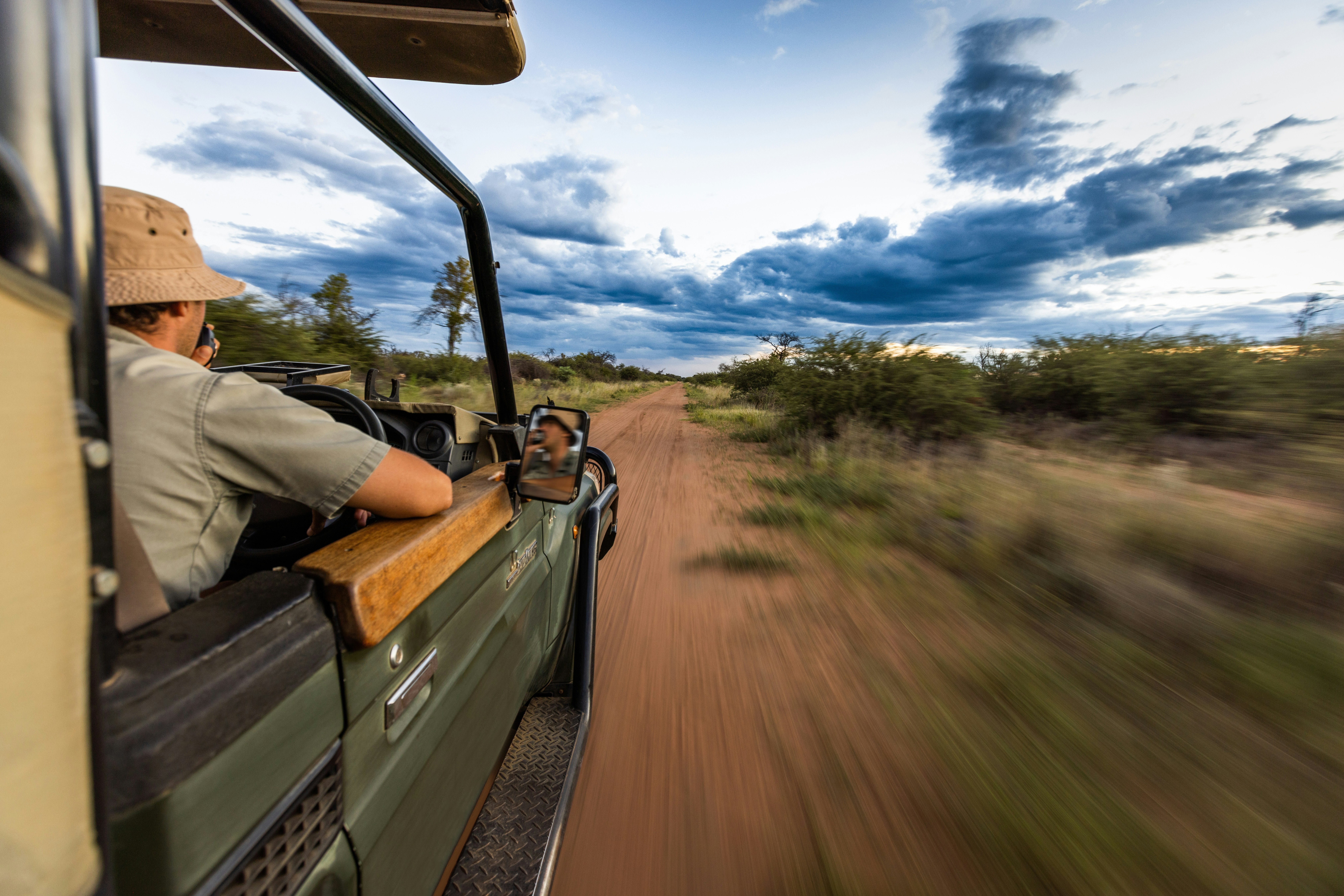
The future of biodiversity is everyone's responsibility, including professionals like rangers but also local experts like farmers and Indigenous groups. Image: Unsplash/redcharlie
- Many rangers carry out important conservation work but boosting biodiversity requires more widespread effort and support.
- The biggest wins for nature often happen when conservation is everyone’s responsibility rather than just the environmental sector's concern.
- The future of biodiversity is about weaving care for nature and people into daily actions, policies, funding, partnerships and innovations.
Between 2006 and 2021, more than 2,350 rangers died on duty while patrolling and protecting parks and other nature areas around the world. In 2024 alone, at least 175 rangers were killed across 41 countries.
The risks of the job of a ranger are clearly high. But the conservation work that many rangers do is crucial. Globally, there are an estimated 280,000 rangers carrying out diverse and essential biodiversity tasks. Meeting the 2030 UN biodiversity targets would require a more than fivefold increase to around 1.5 million rangers, which is logistically and financially out of reach for many countries.
Unsurprisingly then, conservation remains a niche sector, with fewer than a million people, including rangers, in direct employment in the industry globally, compared to the billions of everyday decisions, livelihoods and innovations that shape nature’s fate.
But biodiversity won’t survive if conservation continues to be a profession for the few rather than a practice for all. The success of protected areas depends not just on their location or connectivity, but also on the quality of management and governance they receive. Many site-level tools are available to assess such quality, but the Protected Planet Report shows only 6.8% of sites report, and even then, data rarely reveals if they achieve positive conservation outcomes.
The future of biodiversity depends on recognizing conservation as a collective, systemic responsibility. Embedding care for nature into everyday sectors like food production, spatial planning, supply chains, technology, law and business would mobilize more effort than the conservation profession ever could, making systemic change possible.
Nature in the hands of everyone
Some of the greatest progress in conservation has already arisen from ordinary people and sectors far beyond the traditional environmental movement. Tech companies have developed AI tools to reduce pesticide use, protect forests and track illegal resource extraction, for example, while city planners design green spaces, water-smart infrastructure and walkable communities. They aren’t conservationists in the classic sense, but their innovations have positive, lasting impacts on biodiversity.
Businesses, governments and individuals don’t need to wear a special badge to be environmental stewards. The biggest wins for nature often happen when conservation is built into broader systems, making it everyone’s responsibility rather than confining it to the environmental sector.
Companies and communities making greener choices for economic resilience or public health reasons help nature by default. Consumer demand for sustainable goods pushes supply chains to act sustainably, for example. Infrastructure choices such as green roofs or tree-lined streets can also improve both city life and habitats for pollinators. And financial institutions can shift investments towards regeneration and away from destructive industries.
But what conservation really needs are systems that empower people to live well in their home landscapes. It needs radical pluralism, support for local agency and for conservation responsibilities to be seeded into daily economic, legal, spatial and digital systems. It also needs value metrics for the vast, often invisible, everyday stewardship that already sustains nature.
Real conservation happens when solutions are curated to local socio-ecological dynamics, and when they are inclusive, honouring local stewards instead of imposing distant expertise or isolated environmental efforts.
The future of conservation lies not in producing more rangers, but in supporting the full spectrum of human potential. Conservation needs all kinds of actors:
- Ordinary citizens who refuse to outsource their ecological responsibility, but instead own their role in shaping how land, air and water are governed.
- Therapists who help communities and conservation workers heal from ecological grief and displacement.
- Artists, storytellers and digital creators who expand our moral imagination and reframe what’s “sacred” and what’s “ordinary”.
- Sociologists who reveal the hidden social dynamics and cultural non-dits that make or break projects.
- Technologists that bridge digital divides in ecological monitoring and advocacy.
- Ecopreneurs whose livelihoods depend on ecological resilience.
- Policy disruptors and grassroots advocates who practice ecological empathy by challenging extractive economies.
- Lawyers who defend community land rights and contest extractive contracts in court.
- Farmers, fishers and herders who already live with the land and understand cycles of abundance and scarcity.
- Indigenous People and local communities who see landscapes as kin rather than resources.
- Local knowledge-holders who already sustain biodiversity through cultural practice.
Nature is everyone’s business
Stories, rituals and cultural connections to the land often make better conservation plans than any report. Investment is needed, not just in more rangers, but in empowering communities, businesses and ordinary citizens. This is the only feasible path to lasting planetary resilience.
The future of biodiversity is not about “protectors” versus “users”, but about weaving care for nature and people into daily actions, policies, funding, partnerships and innovations.
Biodiversity thrives in radical openness, when diverse, rooted and visionary people live in close relationship with their environments, and when their ambitions are supported. The conservation profession doesn’t own the future of life on Earth, it belongs to everyone. And only when care for people and nature is woven into daily life can we build futures that truly last.
Don't miss any update on this topic
Create a free account and access your personalized content collection with our latest publications and analyses.
License and Republishing
World Economic Forum articles may be republished in accordance with the Creative Commons Attribution-NonCommercial-NoDerivatives 4.0 International Public License, and in accordance with our Terms of Use.
The views expressed in this article are those of the author alone and not the World Economic Forum.
Stay up to date:
Nature and Biodiversity


Forum Stories newsletter
Bringing you weekly curated insights and analysis on the global issues that matter.
More on Nature and BiodiversitySee all

Adriana Mata and Judith Ketelslegers
April 9, 2026


