This regulatory shift is unlocking alternatives to antibiotics in the fight against superbugs
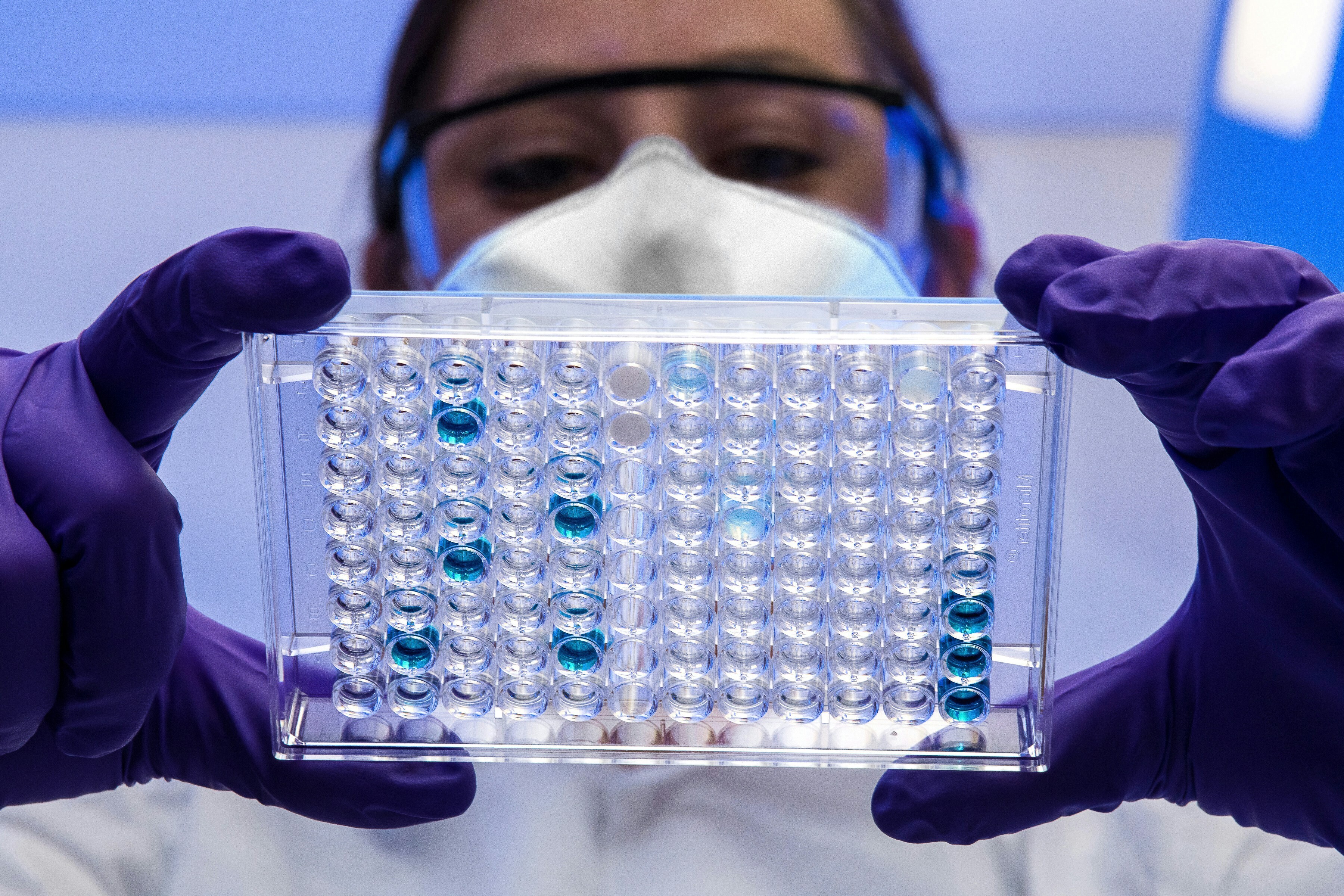
Fewer antibiotics in the environment and food chain should reduce the spread of antibiotic-resistant bacteria to humans. Image: CDC/Unsplash
- France has authorized a personalized phage therapy platform for veterinary use, a significant regulatory breakthrough.
- This model allows for continually updated phage formulations to combat antimicrobial resistance (AMR) and serves as a regulatory model to inform worldwide expansion.
- It represents a promising step in fostering innovation and collaboration to address the global AMR crisis.
The World Health Organization (WHO) reports that one in six lab-confirmed bacterial infections no longer responds to traditional drugs, with antibiotic resistance globally worsening by 5-15% annually. This means common infections become more difficult to treat and everyday medical procedures can turn deadly, fast. Already, 3,500 people die each day as a direct result of the AMR crisis.
With a lack of new antibiotics in development, a new playbook is urgently needed. One that requires proactive engagement from regulators and public stakeholders to foster innovative solutions.
Rediscovering nature’s own solution
Recently, one emerging solution to fight superbugs just took a big step forward: phage therapy.
Bacteriophages, or phages, are bacteria's natural predators responsible for maintaining the balance of bacterial populations. They are the most abundant biological entities on Earth and generally 10-100 times smaller than bacterial cells. Typically, one phage is effective against one or a few bacterial strains.
Scientists discovered phages in the early 1900s and quickly developed them into medicines to treat infections. While early phage therapy showed promise in curing bacterial infections, the technology was difficult to standardize and scale without modern tools like electron microscopes and genome sequencing.
When antibiotics were discovered and industrialized in the mid-1900s, phage therapy was largely abandoned due to these technical challenges. Antibiotics, however, saved millions of lives and shaped modern pharmaceutical regulation, establishing precedents that continue to influence drug approval processes today.
Rewriting the rules: Rethinking regulation for biological medicines
Modern pharmaceutical regulation largely developed around chemical drugs, like antibiotics. These stable compounds established regulatory precedents that authorities still follow today, including:
- Preclinical development: Laboratory and animal testing to assess safety and efficacy before human trials.
- Clinical trials (phases 1-3): Rigorous human testing in progressively larger groups to evaluate safety, dosage and efficacy.
- Single-purpose approval: Each drug is typically tested and approved for one specific medical condition in one exact formulation. Any changes require starting the approval process over again.
Unlike static, chemical formulations, precision phage therapy operates on the premise that the medicine must continually evolve to remain effective against bacteria, which inevitably develop resistance.
By the time a static phage formulation could complete traditional multi-year trials, the target bacteria will likely have evolved resistance, rendering the approved therapy obsolete. It would also be impossible to test and validate the near infinite combinations of phages that could be effective against a specific bacterial strain.
This static formulation vs living medicine approach has been the central conundrum facing phage therapy. With mounting pressure to respond to the crisis and emerging solutions, such as phage therapy, advocates are now championing flexible and evidence-based AMR policies.
Now in veterinary medicine, precision phage therapy has just seen a regulatory breakthrough that could have implications on animal and human health globally.
How the Forum helps leaders strengthen health systems through collaboration
France’s breakthrough: A global first for phage platforms
France recently became the first country to authorize a personalized phage-based treatment platform for veterinary use, approved by the French Agency for Veterinary Medicinal Products (part of ANSES). This groundbreaking decision represents a fundamental shift in how biological medicines are regulated.
Unlike traditional drug approvals that authorize a single, fixed formulation, France's platform approach establishes a validated framework for producing tailored phage combinations. Within this pre-approved, streamlined system, manufacturers can develop the right mix of phages for specific bacterial strains without requiring lengthy individual review cycles for each new combination. Veterinarians can now prescribe a targeted phage cocktail specifically designed for that pathogen, all under the platform's umbrella authorization.
This regulatory innovation acknowledges a crucial reality: medicine must evolve alongside the pathogens they fight. As bacteria become resistant, new phages can be rapidly integrated into treatments without starting the approval process from scratch. This agility transforms phage therapy from a theoretical solution into a practical weapon against superbugs.
The implications extend far beyond veterinary medicine. While currently limited to animal treatments, this pioneering model illuminates a clear pathway for human applications. France's regulatory breakthrough offers an early example that could inspire broader regulatory innovation across countries. In doing so, it can help move phage therapy from the margins to mainstream medicine, potentially accelerating global adoption of this vital alternative to antibiotics.
Building a blueprint for global change
So what does this mean for superbugs? First, it offers a promising lever to reduce reliance on antibiotics in animal farming, thus alleviating the AMR crisis. Fewer antibiotics in the environment and food chain should reduce the spread of antibiotic-resistant bacteria to humans.
Secondly, the deployment of phage therapy in animal farming in France means more data will be generated to demonstrate its efficacy as a leading alternative to antibiotics across a diversity of pathogenic bacteria. This real-world data from animal treatments will add to the body of research on the safety, efficacy and manufacturing standards for future human applications, helping to build regulatory confidence while ensuring patient safety.
Thirdly, this regulatory approval marks a model that can be adopted by other countries. By taking a platform-based approach, countries can accelerate the development and adoption of phage therapy.
As researchers, private companies and regulators come together to advance phage therapy, it’s clear that this represents a promising step forward in bringing together innovation, collaboration and future readiness for the AMR crisis.
Don't miss any update on this topic
Create a free account and access your personalized content collection with our latest publications and analyses.
License and Republishing
World Economic Forum articles may be republished in accordance with the Creative Commons Attribution-NonCommercial-NoDerivatives 4.0 International Public License, and in accordance with our Terms of Use.
The views expressed in this article are those of the author alone and not the World Economic Forum.
Stay up to date:
Antimicrobial Resistance


Forum Stories newsletter
Bringing you weekly curated insights and analysis on the global issues that matter.
More on Health and Healthcare SystemsSee all

Hong Yew Lim
October 7, 2026


