What does a successful COP30 look like? 5 climate leaders share their calls to action
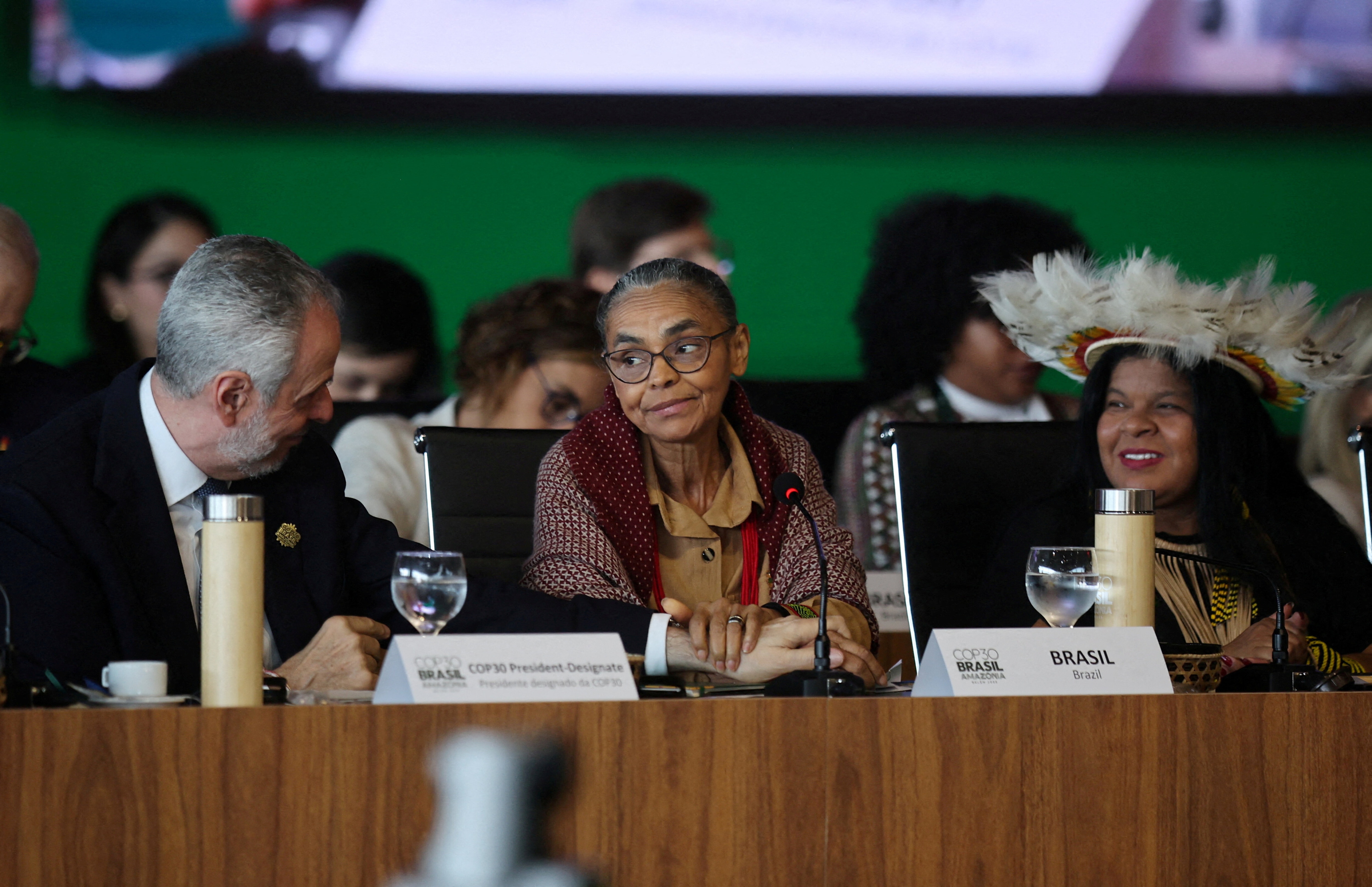
COP30 will shift the focus from pledges to real-world action. Image: REUTERS/Mateus Bonomi/File Photo
- The forthcoming COP30 summit aims to shift from political commitments to tangible implementation of climate solutions.
- The World Economic Forum spoke to climate leaders about their expectations and hopes for the meetings.
- Leaders emphasized the importance of collaboration between policymakers and businesses, aligning incentives with net-zero goals, ensuring the benefits of the transition reach all people, and advancing the role of indigenous communities in global climate action.
COP meetings are designed to galvanize global climate action. Yet, COP30, which takes place in Belém, Brazil, from 10 to 21 November, comes at a particularly testing time.
Ten years on from the Paris Agreement, there is a push to move from political commitments to implementation. This is even more pressing as global temperatures exceeded the Agreement’s limit of 1.5C above pre-industrial levels for the first time last year. However, geopolitics, climate finance shortfalls – especially for developing nations – and diverging views on phasing out fossil fuels will likely lead to tense discussions.
Ahead of COP30, the World Economic Forum spoke to climate leaders about their expectations for a successful summit.

Nurturing closer alignment with corporates
Businesses have a substantial part in the race to net zero, and their commitment is growing, said Jesper Brodin, the Chief Executive Officer of Ingka Group, which operates Ikea stores worldwide, and co-chair of the Alliance of CEO Climate Leaders at the World Economic Forum.
“There are three things that give me hope for this year,” he continued. “One is that the commitment among corporates is growing. It's not shrinking. The financial proof points that it's smart business to be on the right side of the climate are already there. And third, more and more policymakers are actually listening to corporates and are interested in understanding how to speed up this journey together.”
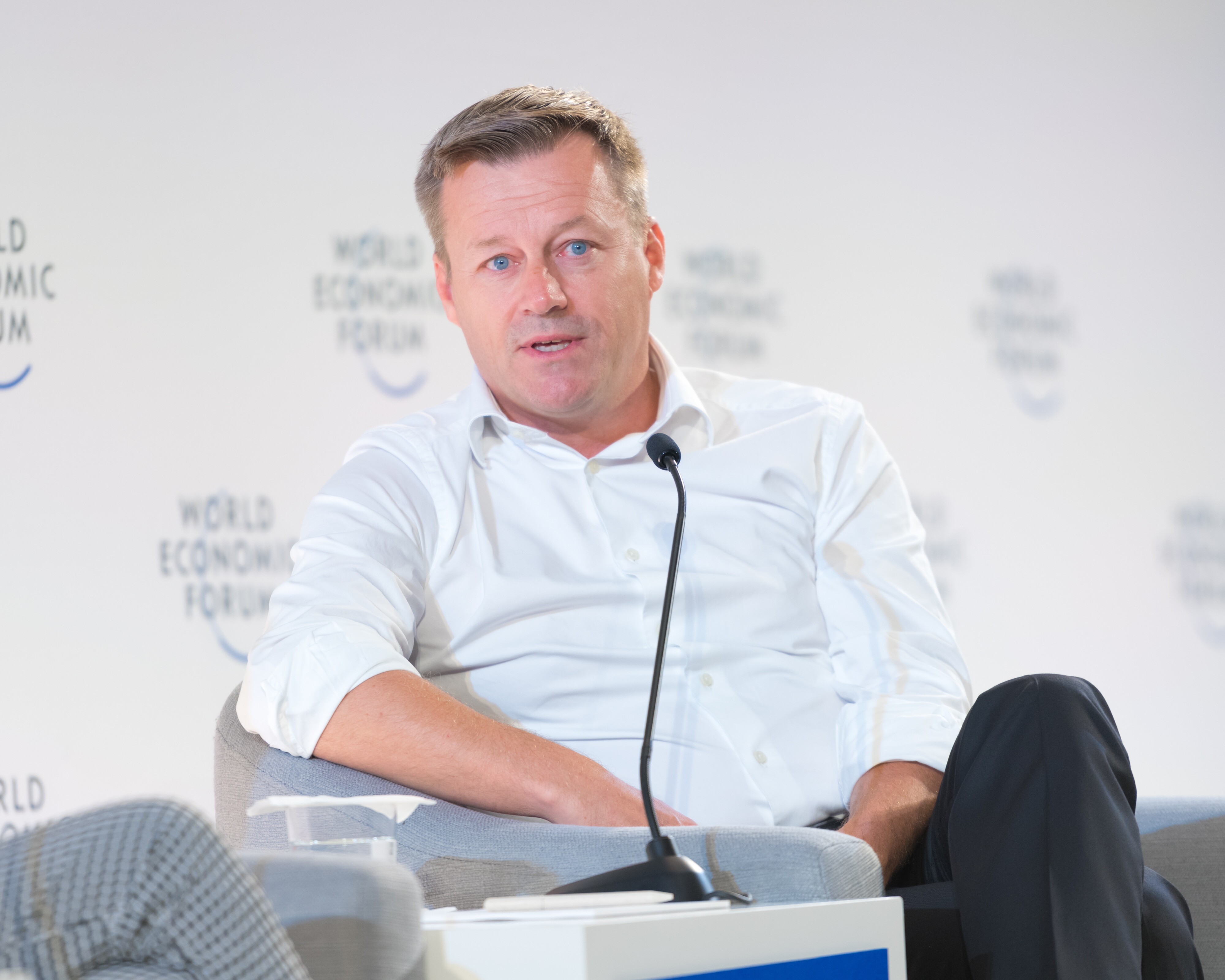
The most important of all is that policymakers engage in new ways with corporates, listen, understand the obstacles for making investments and work actually collaboratively, not in siloes.
”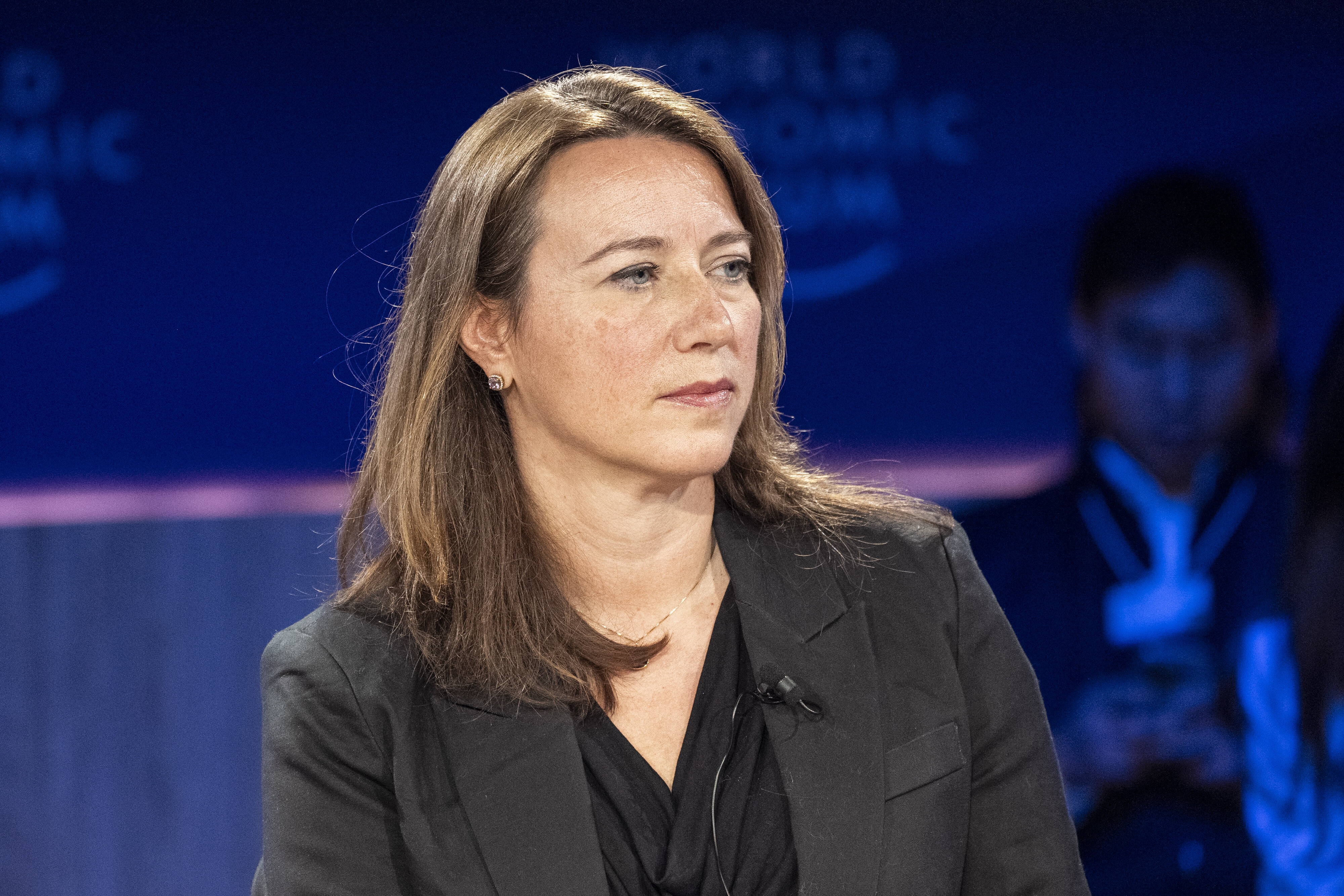
Sherry Madera, CEO of CDP, a non-profit independent environmental disclosure system, agreed on the importance of greater business inclusion. She highlighted that the business community needs to feed into the setting of Nationally Determined Contributions (NDCs).
She stressed that policymakers had to understand how vital it is for business to be heard and to factor climate targets into their long-term planning.
How can COP30 unlock a whole-economy approach, thinking not only about how NDCs are set at the top level, but what they mean for businesses?
”Ambition, incentives and benefits for everyone
Dan Ioschpe, Climate High-Level Champion for COP30, echoed Madera’s views on the crucial role of the private sector for climate action: “The private sector is the one that can really speed up and scale up. Governments will come up with regulation, legislation, direction. Academia will come up with a lot of knowledge. But at the end of the day, it’s mostly businesses that are in the position of implementing.”
In her call to action for COP30, María Mendiluce, CEO of the We Mean Business Coalition for climate change, outlined similar priorities while also stressing the wider impact on society:
“One: we need ambition. We need national plans that are ambitious and give the direction of travel to businesses – because businesses look at governments and what are they pushing for.
“Second: work on the incentives. If we have an ambition to become net zero, and an ambition to reduce emissions a lot by 2035, please align the incentives to favour the solutions that we want to have in 2035. Don't subsidize fossil fuels.
“And the third one, as you are developing the policies, that go hand-in-hand with the indices, make sure that the benefit of the transition comes to the people in the streets.”
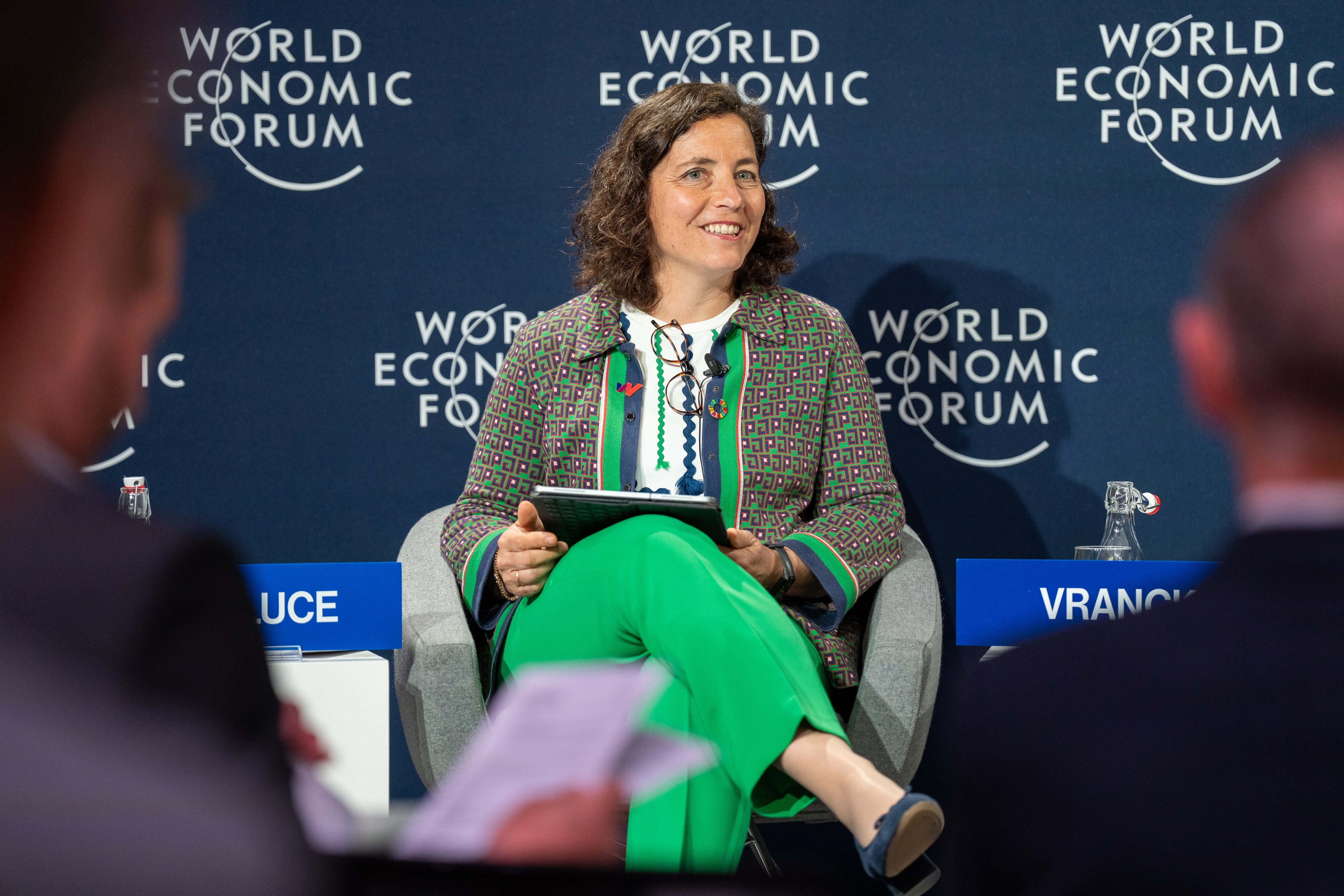
People must have access to the innovation that we are trying to put in place at affordable prices.
”Advancing the role of indigenous communities
One group within broader society who have been strongly advocating for such a just, inclusive transition are indigenous peoples. This year, 3,000 indigenous leaders will participate in COP30. At the frontline of climate change, they will aim to ensure protection of indigenous territories and access to adequate climate finance. What is more, they want to see their knowledge of climate mitigation and adaptation reflected in climate policies and national targets.
“To be successful at COP30 will mean having indigenous peoples as full partners in the delivery of the COP decision. Compared to previous COPs we want to sit in the negotiation room,” said Hindou Oumarou Ibrahim, President of the Association for Fulani Women and Indigenous Peoples of Chad (AFPAT).
Ibrahim stressed that the negotiation text on facilitating a just transition must include indigenous peoples’ concerns, from maintaining biodiversity and prioritizing nature-based solutions to climate finance.
“Only one per cent of global budgets go to climate action. And of this one per cent, less than one percent goes to indigenous peoples. But we are the ones who are doing the job on the ground. And we are doing it without getting any funding to scale it up,” she told the Forum.
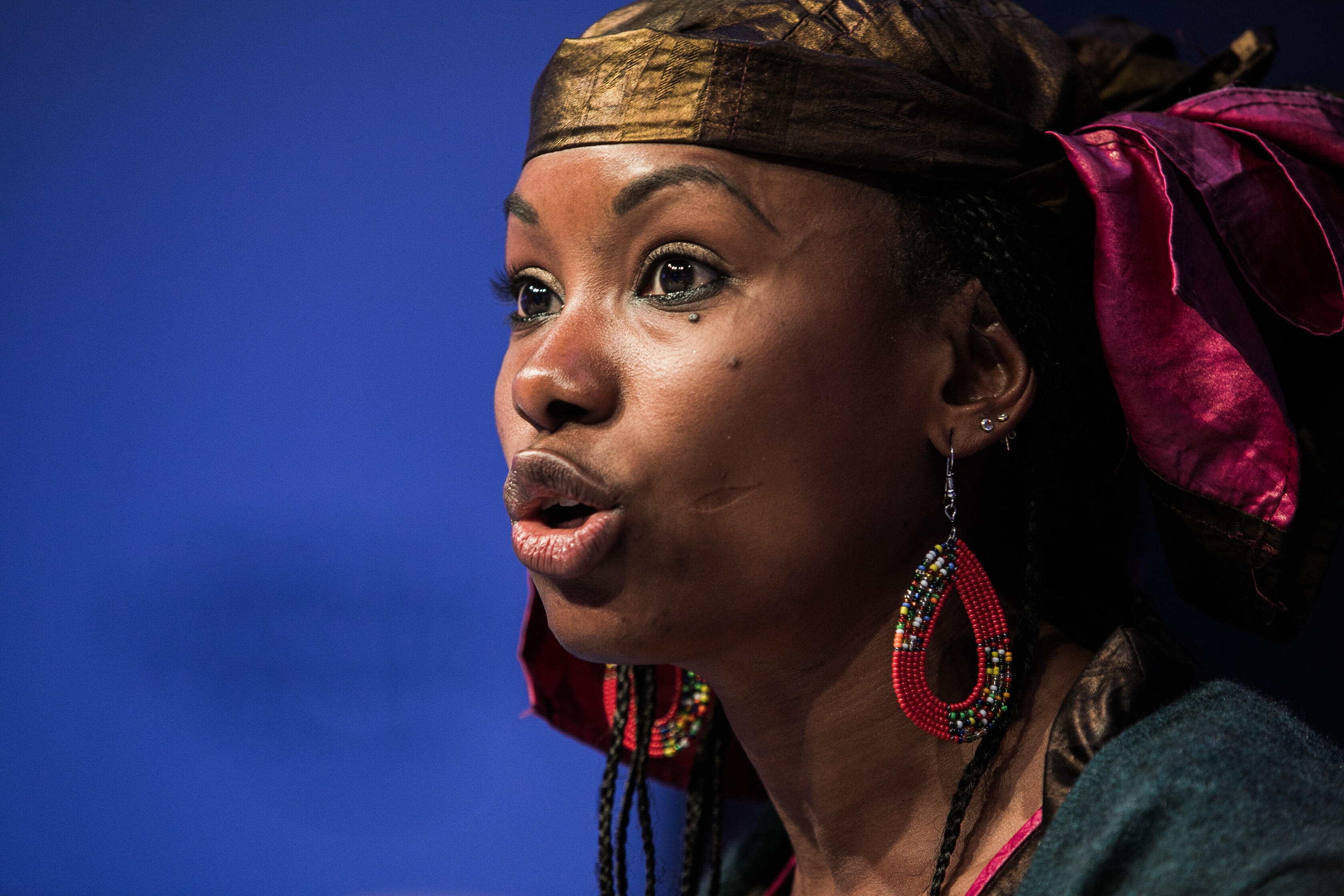
We are committing billions at the COP that are not ending up in the hands of indigenous peoples to protect the land.
”From commitments to implementation
While climate policies and finance will be a continued focus at COP30, the balance is going to markedly shift from securing climate change pledges to actioning solutions for adaptation and mitigation, COP30 champion Dan Ioschpe told the Forum.
“We have great people and great solutions, and maybe we're closer to the objectives than we think. But of course we need to show that, and we will show that through implementation. There is no other way,” Ioschpe said, underlining the need for real-world action to ultimately prove the impact of COP30.
For us, a successful COP30 looks like implementation and continuous implementation.
”License and Republishing
World Economic Forum articles may be republished in accordance with the Creative Commons Attribution-NonCommercial-NoDerivatives 4.0 International Public License, and in accordance with our Terms of Use.
The views expressed in this article are those of the author alone and not the World Economic Forum.

Forum Stories newsletter
Bringing you weekly curated insights and analysis on the global issues that matter.
More on Climate Action and Waste Reduction See all

Laetitia Gardé and Marc Delobelle
February 26, 2026


