Why the High Seas Treaty entering into force matters for public-private action
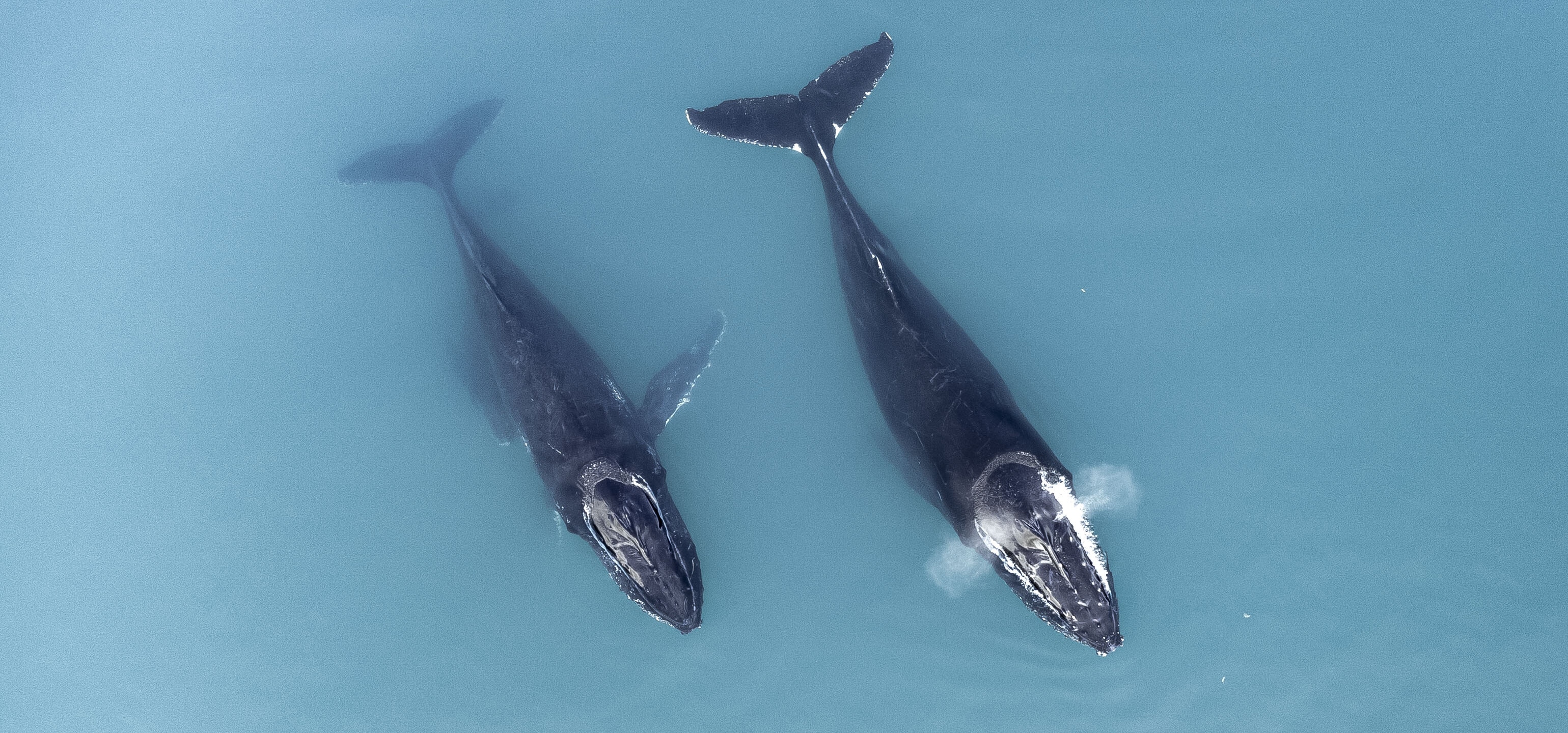
The High Seas Treaty entered into international law after 20 years of negotiations. Image: Emily Ledwidge
Peter Thomson
United Nations Secretary-General's Special Envoy for the Ocean, United Nations- The high seas are vital for climate regulation, biodiversity, food security and the global economy. Yet, they have long lacked comprehensive governance.
- The High Seas Treaty entering into force marks a milestone in multilateralism and unlocks new opportunities for Sustainable Development Goal 14.
- Multiple stakeholders including governments, civil society and the private sector all have vital roles to play in the treaty's successful implementation.
More than two-thirds of the ocean lies beyond national exclusive economic zones – areas known as the ‘high seas’. These areas are one of the planet’s greatest environmental systems, sustaining life in ways we are just beginning to understand.
The high seas have lacked a comprehensive and integrated framework to guide their conservation and the sustainable use of their resources. With a view to governing this global commons, an agreement on Biodiversity Beyond National Jurisdiction, more commonly known as the High Seas Treaty was drafted, building upon the UN Convention on the Law of the Sea (UNCLOS) – the cornerstone legal framework for the ocean.
After 20 years of negotiations and final agreement, the High Seas Treaty text was approved in 2023, and gathered enough ratifications by September 2025 to allow it to enter into international law on 17 January 2026.
This moment marks a new era of ocean governance, one that is of direct consequence for governments, civil society, science and the private sector, and unlocks essential opportunities to collectively safeguard the ocean for present and future generations, as outlined in Sustainable Development Goal 14: Life below water.
Why the High Seas Treaty is vital for ocean conservation
Until now, the high seas have been governed by a patchwork of international bodies and agreements, each responsible for regulating specific activities, such as fishing and shipping. As a result of this fragmentation, ocean health and biodiversity have suffered.
When migratory species such as whales, turtles, sharks and tunas travel across their ‘blue corridors’, they cross a mosaic of jurisdictions and face overlapping pressures throughout their life cycles.
Their journeys across feeding grounds, spawning sites and migratory corridors illustrate how deeply interconnected the ocean is – and how essential coherent, science-based governance has become to safeguard its biodiversity and ecological functions.
Over time, the cumulative nature of different pressures driving biodiversity have exposed the limits of this fragmented sector-specific approach, creating cascading risks that demand collective responsibility and collaboration.
Achieving a nature-positive future requires addressing the drivers of ocean degradation – from unsustainable fishing and mineral extraction, to marine pollution and climate impacts.
The High Seas Treaty addresses four interconnected challenges.
First, it mandates the fair and equitable distribution of benefits from marine genetic resources, recognizing the high seas as shared inheritance – one whose stewardship depends on inclusive participation and responsible innovation.
Secondly, it includes area-based management tools, such as marine protected areas, to balance conservation with sustainable use.
Third, it strengthens requirements for environmental impact assessments to improve decision-making in the high seas.
Fourth, it supports capacity building and the transfer of marine technology, supporting countries to participate effectively in implementation and scientific cooperation. Together with improved transparency, data sharing and scientific cooperation, these measures help create the conditions for coordinated public–private action at scale.
A new era of ocean governance
A healthy ocean depends on coordinated action across governments, industries, institutions and finance.
For the first time, a legally binding mechanism exists to enable the establishment of marine protected areas in the high seas – an essential step towards achieving the global target of protecting 30% of the ocean by 2030, as agreed under the Global Biodiversity Framework. This is crucial to support marine biodiversity, ecosystem services and climate resilience.
By also providing a framework for assessing and evaluating the environmental impact of marine activities, the High Seas Treaty signals a shared global commitment to ocean stewardship.
Ocean-based industries have a key role to play in supporting the objectives of the treaty. Transitioning to a nature-positive future – halting and reversing nature loss by 2030 – could unlock up to $10 trillion in economic value.
The High Seas Treaty also brings together private sector members such as shipping offshore energy, communications and fisheries, together with governments and scientists, to share responsibility for conserving and restoring the high seas.
The World Economic Forum’s Governing Marine Biodiversity Beyond National Jurisdiction: Roles and Opportunities for the Private Sector white paper indicates that effective implementation for business will depend on regulatory coherence across jurisdictions, improved ocean data availability and transparency, and early sustained engagement with affected sectors.
The High Seas Treaty provides businesses with clear opportunities to align strategies with long-term ocean health – securing competitive advantage and driving innovation for a thriving blue economy. Now ocean industries must work together with biodiversity experts to integrate scientific advice into decision making around how to use the high seas to ensure marine life can thrive.
The shipping sector illustrates this contribution. Operating from ports to deep ocean waters, the industry intersects diverse ecosystems that deliver vital services. By reducing impacts such as pollution, underwater noise and avoiding ecologically sensitive areas, the shipping sector can support ocean health and resilience and secure stakeholder and investor confidence.
Fisheries likewise depend entirely on a healthy ocean. The treaty’s tools – science-based decision-making and information sharing, environmental impact assessments and area-based management – complement existing governance, enabling ecosystem-based approaches that sustain fish stocks while safeguarding biodiversity.
Why the High Seas Treaty is essential for ocean action
The High Seas Treaty’s entry into force marks a turning point for ocean protection. But it is the start, not the finish line.
Its promise will only be fulfilled if governments, institutions, industry, science, traditional knowledge holders and civil society work together to translate words on paper into action on the water. Transparent dialogue and effective collaboration across all ocean actors will be essential to deliver the conservation and resilience outcomes the world urgently needs.
Alignment of efforts by governments, regional bodies and sectoral organizations, from fisheries to shipping, from research institutions to coastal communities, must become the norm. The ocean is an interconnected, three-dimensional system where human boundaries often bear little relation to ecological realities.
The entire ocean – including waters within and beyond national jurisdiction – must be managed responsibly to halt biodiversity loss and maintain the life-support functions on which societies and economies depend.
The High Seas Treaty sends a powerful signal that the ocean will always be a force for multilateral collaboration and global progress. Now the world must work together, with urgency and ambition, to implement the treaty through transparent dialogue and a clear commitment from all ocean actors to uphold the treaty’s obligations. Transformative change will only be possible through multi-actor collaboration and shared responsibility.
Don't miss any update on this topic
Create a free account and access your personalized content collection with our latest publications and analyses.
License and Republishing
World Economic Forum articles may be republished in accordance with the Creative Commons Attribution-NonCommercial-NoDerivatives 4.0 International Public License, and in accordance with our Terms of Use.
The views expressed in this article are those of the author alone and not the World Economic Forum.
Stay up to date:
Ocean


Forum Stories newsletter
Bringing you weekly curated insights and analysis on the global issues that matter.
More on Nature and BiodiversitySee all

Forum Stories
February 25, 2026


