How industrial clusters can power ASEAN’s low-carbon future
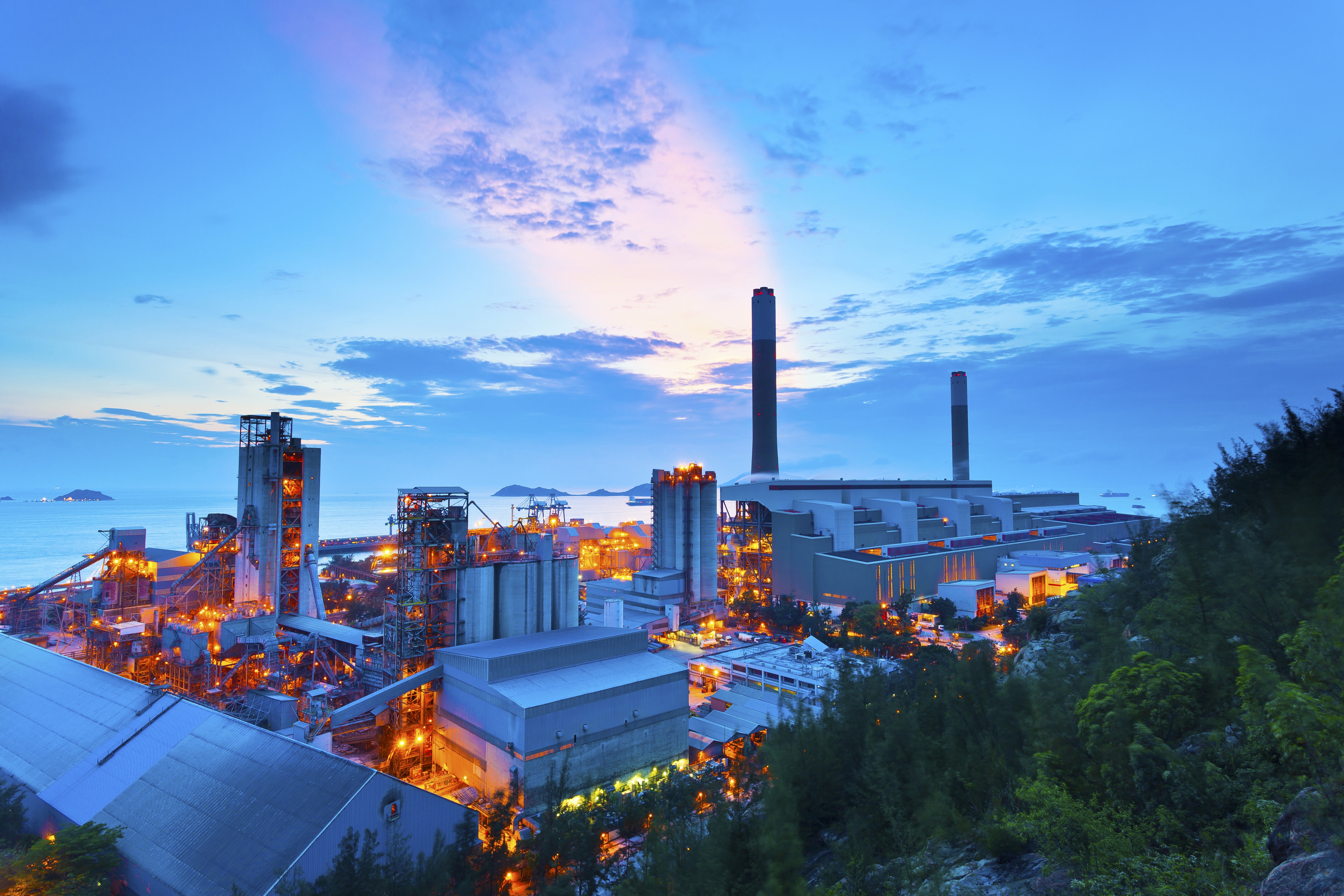
Well-organized industrial clusters create an ecosystem for collaboration. Image: Getty Images/iStockphoto/primeimages
- Rapid growth is expected to double energy demand in Southeast Asia by 2050 and this must be met with diverse, affordable, resilient, clean energy.
- A recent white paper examines Southeast Asia’s swift industrial growth amid this rising demand and the region's energy transition.
- Participants in the World Economic Forum Annual Meeting 2026 will discuss how to support sustainable economic growth while strengthening competitiveness.
Southeast Asia is entering a decisive decade. With more than 670 million people and a $3.8 trillion economy, the Association of Southeast Asian Nations' (ASEAN) rapid growth is driving energy demand that is projected to more than double by 2050. How ASEAN meets this surge in demand will shape the region’s economic and industrial resilience, job creation and environmental future for decades to come.
Without decisive action, rising energy demand risks deepening fossil fuel dependence at a moment when ASEAN needs more diversified, affordable and resilient energy pathways to sustain industrial competitiveness and economic growth. Meeting this challenge will require solutions that can deliver impact at scale, and fast.
How industrial clusters can power the energy transition
Southeast Asia is becoming one of the world’s most powerful drivers of energy demand as it grows into a major global production hub. ASEAN countries host a range of energy-intensive industrial clusters – from electrical and electronics manufacturing in Malaysia, Singapore and Viet Nam, to automotive, chemicals and advanced manufacturing in Thailand, and resource-based industries and an emerging electric vehicle battery value chain in Indonesia.
Companies within the same industrial area often share similar needs, such as reliable energy, modern infrastructure, new technologies and access to funding. Well-organized industrial clusters create an ecosystem for collaboration to meet these needs. Co-located companies can share resources, coordinate plans and pursue energy transition opportunities that would be difficult to achieve alone.
A recently published white paper, Industrial Transformation in ASEAN: A Cluster-Driven Model for Regional and Global Collaboration, from the World Economic Forum and the Malaysia Centre for the Fourth Industrial Revolution shows how these hubs are turning national energy transition ambitions into on-the-ground delivery of low-carbon industrial transformation. The report explores how industrial clusters in Indonesia, Malaysia, Singapore and Thailand use partnerships, policy, technology and finance to power growth and competitiveness.
1. Developing partnerships and a common vision
No single company can decarbonize an entire value chain or build low-carbon infrastructure alone. But when businesses collaborate across sectors and borders, they can share risks, aggregate demand and accelerate the adoption of new technologies.
In Indonesia, the Indo-Pacific Net-Zero Battery Materials Consortium (INBC) is bringing together companies across mining, processing and battery manufacturing to create an integrated, low-carbon battery hub on the island of Sulawesi. With plans to scale production dramatically by 2030, INBC’s common vision, shared infrastructure and coordinated planning could help to strengthen ASEAN’s position in the global clean-tech supply chain.
2. Providing clear and long-term policy direction
When governments set consistent regulations, clear roadmaps and predictable incentives, they reduce uncertainty and make it easier for private finance to commit to low-carbon projects. Effective policy frameworks can help to align public and private priorities, guide infrastructure decisions and create the confidence investors need to scale clean energy solutions across industrial clusters.
In Sarawak, Malaysia, for example, the Bintulu Industrial Cluster has benefitted from the state's Post COVID-19 Development Strategy 2030 and the Sarawak Energy Transition Policy. Bintulu is also advancing hydrogen production, carbon capture and renewable energy projects, supported by measures such as a forthcoming state-level carbon levy under the Sarawak Carbon Roadmap. Consistent policy signals are helping to attract investment, positioning Bintulu as one of Malaysia’s emerging low-carbon industrial hubs.
3) Scaling innovative, low-carbon technologies
From renewable energy systems and digital optimization tools to clean fuels and advanced automation, new technologies can dramatically reduce emissions while boosting competitiveness.
When deployed at the cluster level, companies can share infrastructure and operate at scale. This helps technological innovation to create efficiencies that would be impossible for individual entities to achieve alone. Industrial clusters can also unlock the benefits of technology convergence – the integration of digital systems, clean-energy solutions and advanced industrial processes.
Singapore’s Tuas Port is using technology to become a future-ready, low-carbon hub designed to support the future use of clean fuels such as hydrogen and ammonia. The fully electrified and highly automated port uses digital systems and smart energy management to cut emissions and improve efficiency.
4) Unlocking finance for industrial transformation
Decarbonizing heavy industry requires significant capital because many emerging technologies still face high upfront costs. Blended finance, public-private partnerships and de-risking mechanisms can help attract the private investment needed to scale low-carbon solutions. When financial innovation is directed toward industrial clusters, it can turn ambitious transition strategies into bankable, investable projects.
In Thailand, the Saraburi Sandbox is located in a province that produces nearly 80% of the country’s cement. It’s using blended finance from international partners to support projects in low-carbon cement, alternative fuels, biomass and solar, alongside community initiatives. This targeted financial support, backed by clear national climate goals, is helping to boost the area’s industrial decarbonization plans.
Supporting ASEAN’s industrial clusters
Accelerating Southeast Asia’s energy transition will require tighter alignment across policy, industry and finance, as well as industrial transformation. Governments can set the pace by harmonizing standards, providing clear long-term regulations and gradually rebalancing fossil fuel subsidies. Stronger carbon pricing and disclosure frameworks will also help to build investor confidence.
At the same time, industrial clusters offer ideal environments to pilot clean technologies, share infrastructure and coordinate investments, supported by transparent governance and long-term offtake agreements. Mobilizing finance at scale is also essential. Blended-finance tools, de-risking mechanisms and green lending can turn promising ideas into bankable projects and help to decarbonize heavy industry.
ASEAN energy demand may double by 2050, but emissions do not have to. With aligned policies, collaborative industrial cluster ecosystems and innovative financing, the region can turn ambition into action and emerge as a global model for sustainable industrialization.
Don't miss any update on this topic
Create a free account and access your personalized content collection with our latest publications and analyses.
License and Republishing
World Economic Forum articles may be republished in accordance with the Creative Commons Attribution-NonCommercial-NoDerivatives 4.0 International Public License, and in accordance with our Terms of Use.
The views expressed in this article are those of the author alone and not the World Economic Forum.
Stay up to date:
ASEAN


Forum Stories newsletter
Bringing you weekly curated insights and analysis on the global issues that matter.
More on Energy TransitionSee all

Namit Agarwal
February 25, 2026


