From renewable to reliable: How to unlock wind power for a secure energy future
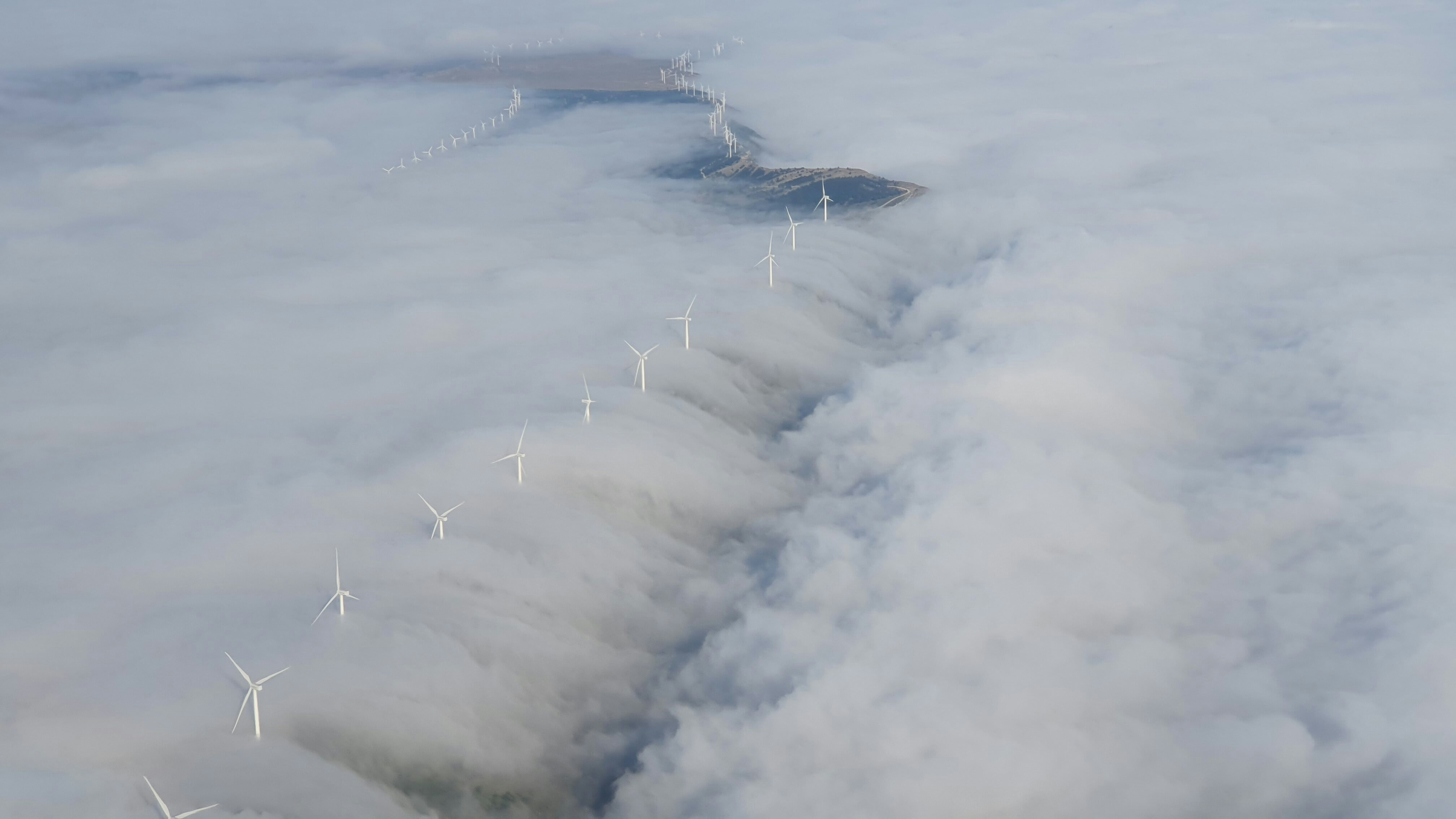
Wind provides affordable and sustainable energy to enhance countries' energy security. Image: Unsplash/ Fabrice Smet
- Wind power is now a critical resource for energy security and resilience, reducing reliance on volatile fossil fuel markets.
- Scaling wind energy to its full potential requires swift implementation of ambitions and close collaboration between industry and government.
- Governments must act decisively and set the right frameworks, cut red tape, invest in infrastructure, align industrial policy to scale manufacturing and protect digital infrastructure.
Overreliance on a single foreign energy supplier has proven costly throughout history.
The 1970s oil crisis showed how energy insecurity can ripple across economies and societies. In 2022, after Russia’s invasion of Ukraine, European gas prices skyrocketed and sent countries scrambling to find new energy sources. Both times, rising energy costs strained households and industries alike.
Swift political action in the 1970s led to the birth of the wind industry, a practical, homegrown response to a global challenge. Today, as geopolitical shocks again spotlight energy security and affordability, our solutions are more mature, yet our response is far less decisive.
Wind as a way forward
The world needs secure, affordable and sustainable energy more than ever. Wind is the only energy source that delivers all three. It is local, fast to build, decentralized, and helps countries stabilize electricity prices and strengthen energy independence.
The value of this resilience is clear in Ukraine. Despite severe attack on its energy system, ongoing efforts to expand wind capacity are supporting energy security and laying foundations for long-term recovery. The Tyligulska project by DTEK, set to become Ukraine’s largest wind farm with 498 MW across two phases, highlights wind power’s central role in rebuilding the country’s energy system. Many Ukrainians and those involved in the rebuilding efforts say that access to reliable, low-cost, locally produced energy will drive Ukraine’s future growth and resilience.
Europe is now taking note. The Renewable Energy Directives (REDs) have enabled renewable expansion, with wind and solar now accounting for nearly half of the EU’s electricity generation, avoiding an estimated €59 billion in fossil-fuel imports over the past five years. Building on this, the Clean Industrial Deal reinforces that decarbonization is central not only to climate progress but also to ensuring we have a secure supply of competitive, green energy so that we can stand tall on the world stage.
Of course, wind faces challenges similar to other renewables, such as variability and base load, but technology is advancing rapidly. Scaled battery storage and electrification are making hybrid systems more affordable than new coal, fossil, or even nuclear capacity. This is not about choosing one technology over another; it is about deploying more of what lasts and replenishes.
Setting the right frameworks
Scaling wind energy to its full potential requires swift implementation of ambitions and close collaboration between industry and government.
Cutting red tape is essential. In Europe alone, hundreds of gigawatts of wind energy are stuck in permitting processes that take five to seven years on average. Streamlined permitting for wind and grids, meaningful non-price criteria in auctions, and balanced rules can accelerate deployment. Germany shows the impact: by applying the RED III mandate, it increased permitting by 85% and lowered power prices by nearly 18% year-on-year in 2024. Yet permitting remains so bureaucratic that it often excludes new technologies like storage from the same approvals.
Industrial policy is another critical lever. Europe is in a global race for clean tech investment. Winning it demands an ambitious industrial policy that strengthens both supply and demand. On the demand side, we must reinforce the business case for electrification. On the supply side, we need to support industrialization and scaling. Incentives that boost European manufacturing competitiveness will secure supply chains and underpin production scale.
This focus on industrial growth results in high-quality, often local jobs that support communities and economies. In 2024, the European wind industry provided over 370,000 jobs across the value chain, from manufacturing to technicians on turbines. The rising demand for wind energy across Europe – especially onshore – has meant that Vestas continues to invest and grow its manufacturing footprint, as evidenced in Poland and Italy.
Finally, enabling infrastructure such as grids, storage, ports and roads must keep pace. The 2025 Iberian blackout underscored the risks of under-investing in grid modernisation and the role of an interconnected energy system. We can’t afford to look solely at the cost of upgrading our grids, but through the prism of how modernising our infrastructure will drive energy security, independence, and economic growth.
The European Commission’s new grid package aims to accelerate investment in cross-border infrastructure, enabling surplus wind energy to flow across Europe. In addition to this, we’re seeing positive signs around the Commission’s guidance for member states to adapt their national support schemes to the Contracts for Difference (CfD) model.
From renewable to reliable
Our energy systems keep the lights on and economies running. Ensuring they operate reliably and safely is at the heart of energy security. Like all critical infrastructure, energy systems require robust cybersecurity measures to remain uncompromised.
Modern wind turbines are advanced digital assets, optimised to deliver electrons to an interconnected grid. Like all digitally controlled systems, they are susceptible to cyberattacks that can affect individual assets and wider grid stability. Addressing these vulnerabilities, such as digital pathways and remote access, requires strong collaboration between national authorities, grid operators, power plant owners and manufacturers.
Yet many countries still lack regulatory frameworks to mitigate these risks. In Europe, the NIS2 Directive provides a supportive foundation, but implementation remains uneven and slow.
Acting decisively
History warns of the perils of overreliance and inaction. Decentralised, resilient, and locally sourced wind energy turns these lessons into a blueprint for energy security. Setting the right frameworks, cutting red tape, investing in infrastructure, and aligning industrial policy to scale manufacturing will accelerate deployment and build robust supply chains. Strengthening cybersecurity will ensure that an increasingly digital energy system remains reliable and protected.
Europe invests hundreds of billions in defence, yet overlooks that energy independence is the foundation of security and self-sufficiency. Sometimes, making an 80 percent right decision quickly is better than chasing perfection for years. The wind industry, governments, and stakeholders must act faster. The right choice should not take a decade to implement, but rather a few quarters.
By fostering close collaboration between governments and industry, we can harness wind’s full potential and build a sustainable, secure and affordable energy future.
Have you read?
Don't miss any update on this topic
Create a free account and access your personalized content collection with our latest publications and analyses.
License and Republishing
World Economic Forum articles may be republished in accordance with the Creative Commons Attribution-NonCommercial-NoDerivatives 4.0 International Public License, and in accordance with our Terms of Use.
The views expressed in this article are those of the author alone and not the World Economic Forum.
Stay up to date:
Renewable Energy
Related topics:


Forum Stories newsletter
Bringing you weekly curated insights and analysis on the global issues that matter.
More on Energy TransitionSee all

Samaila Zubairu
March 3, 2026


