Hormuz disruption shifts Gulf trade routes, and other international trade stories to know this month
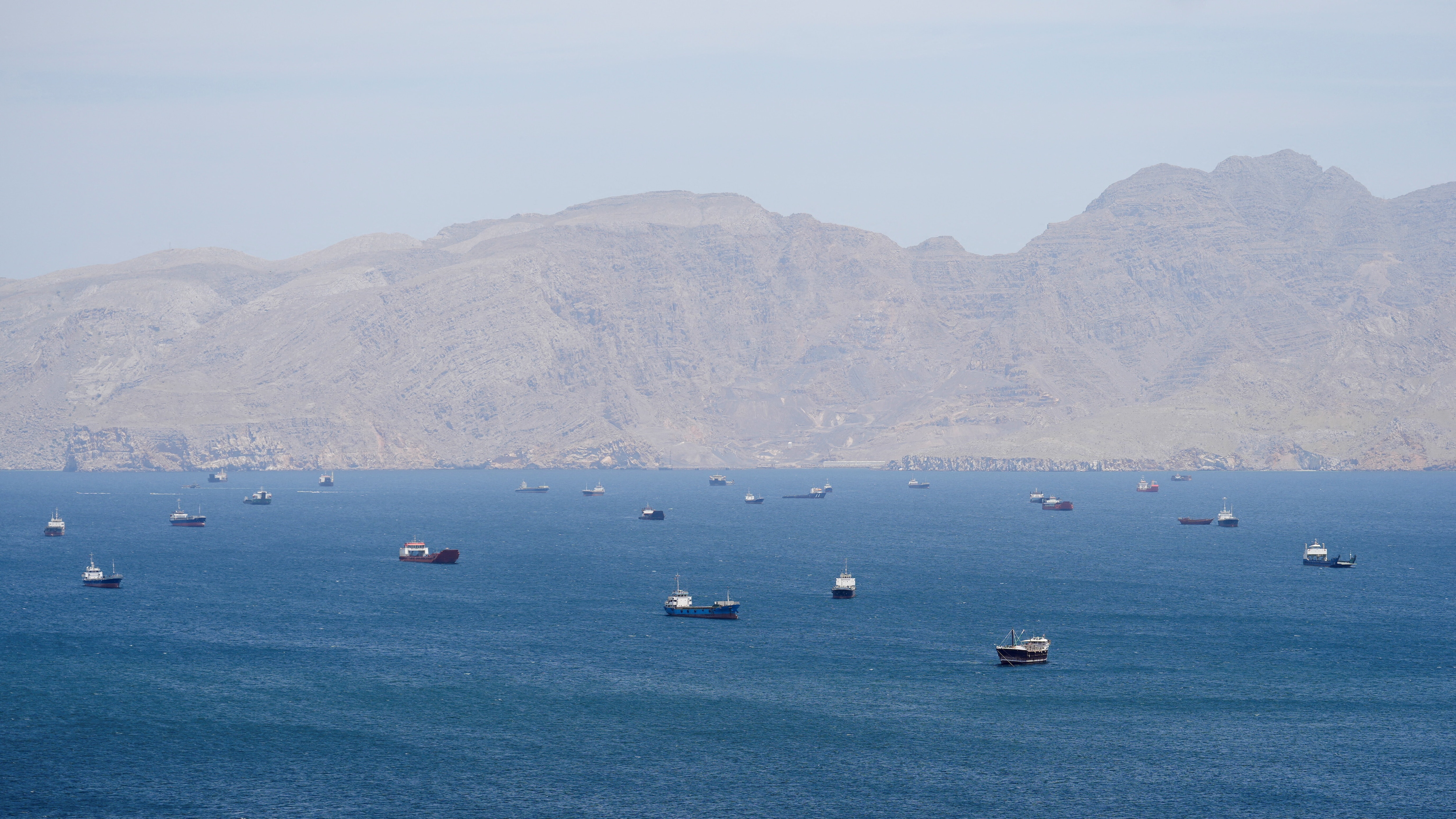
Ship traffic through the Strait of Hormuz remains far below normal levels, even as limited vessel transits resume under tighter controls. Image: REUTERS/Stringer
- This monthly round-up brings you a selection of the latest news and updates on global trade.
- Top international trade stories: Gulf logistics test bypass routes; Hormuz crisis deepens food supply risks; Singapore debuts OCEANS-X data exchange.
1. Gulf cargo flows adjust as Hormuz disruption tests overland routes
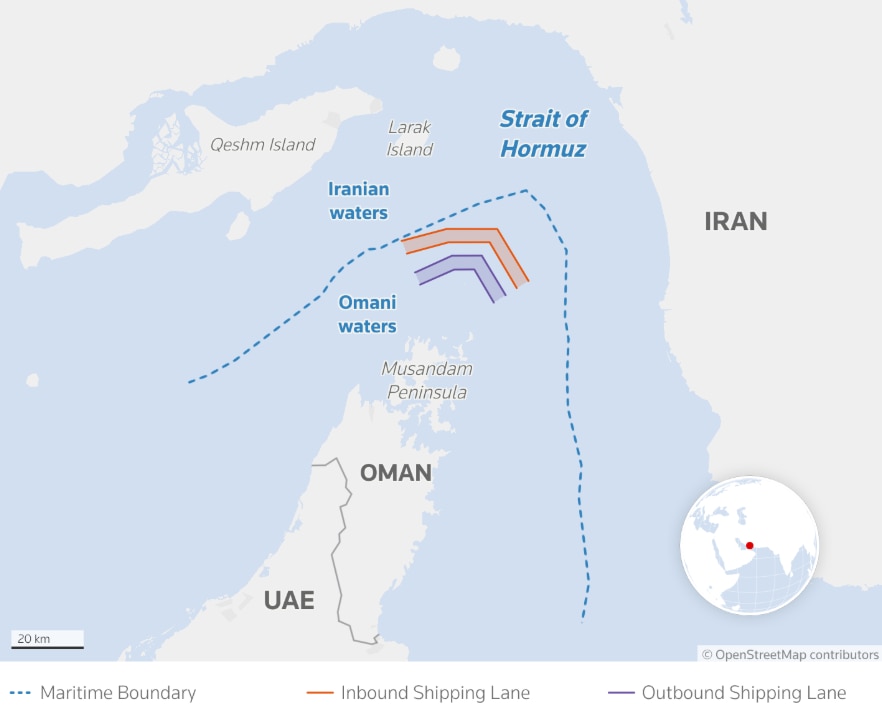
Regional cargo flows are shifting around restricted Strait of Hormuz transits, as logistics operators move from emergency alternatives to more structured land and sea routes.
Recent Reuters coverage highlights several potential workarounds for a prolonged Strait disruption, with industry reporting showing how some of those routes are already being used. Meanwhile, IEA‑based analysis suggests that alternative pipelines can only replace a fraction of the Strait of Hormuz’s usual 20 million bpd throughput, even as key assets are being pushed towards full capacity to contain the impact.
Strategic pipeline bypass and staging
Established energy infrastructure is currently serving as the primary vent for regional exports. Saudi Arabia has maxed out its East-West Pipeline to its full 7 million bpd capacity, according to S&P, while the UAE is utilizing the Habshan-Fujairah line to move 1.5 million bpd directly to the Arabian Sea.
- Logistics shift: With transits through the Strait severely disrupted, ships are delaying or rerouting and activity is shifting towards ports outside the chokepoint, such as Fujairah and Sohar.
- Insurance impact: War‑risk underwriters have adjusted pricing significantly, with premiums for Gulf transits rising from fractions of a percent before the conflict to low single‑digit percentages of hull value in most cases, and in a few extreme cases reported at levels approaching 10% for the riskiest vessels.
- Higher freight costs: With more cargo being diverted onto overland routes between the Gulf and Türkiye, operators report significantly higher end‑to‑end freight costs as road legs replace disrupted sea transits.
Iraq reopens northern lifelines
In a significant shift for overland trade, Iraq officially reopened the Rabia border crossing with Syria on 20 April after more than a decade of closure, restoring a key route for fuel oil exports and commercial traffic. Iraqi border officials have reportedly said the crossing will resume full operations to handle tanker convoys and other commercial cargo.
This reopening is a critical milestone for the Development Road project – a $17 billion transport corridor intended to link Iraq’s southern ports to Türkiye and Europe. The project is widely described by regional officials and analysts as a strategic overland alternative to sole reliance on maritime routes through vulnerable chokepoints such as the Strait of Hormuz and the Suez Canal.
Industry and multilateral assessments continue to frame these measures as short- to medium-term logistical adjustments, not a structural alternative to the Strait of Hormuz. Even so, the growing use of overland and bypass routes points to longer-term shifts in regional trade flows.

2. Fertilizer squeeze and freight jams cloud crop outlook
Disruption to energy flows through the Strait of Hormuz is raising concerns over risks to global food supply chains, as pressure builds on fertilizer production and agricultural logistics.
The Strait handles around a fifth of global oil and LNG exports and about a third of seaborne fertilizer trade, making it a "critical artery" for both energy and agricultural inputs.
Speaking at the FT Commodities Summit in Lausanne, industry participants said higher natural gas prices are forcing a reduction in industrial demand, particularly in fertilizer plants that rely on gas-based nitrogen inputs such as ammonia. About 40% of the decline in gas demand has come from industrial users such as factories, particularly fertilizer producers, according to traders.
We are on borrowed time.
”Logistical pressures are also emerging across global shipping routes, with congestion at the Panama Canal intensifying as cargo flows are rerouted and vessels compete for limited transit slots. Grain carriers are facing wait times of up to 40 days, while freight rates on some routes have risen by more than 50%, adding further pressure on agricultural exporters.
This reflects broader supply chain pressures linked to the Gulf crisis, including potential impacts across fertilizer and grain markets outlined in recent analysis of commodities affected by the conflict. Against this backdrop, traders warned that markets may not yet have fully priced in the risk of prolonged disruption to key agricultural inputs, including sulphur and urea, which underpin global crop production.
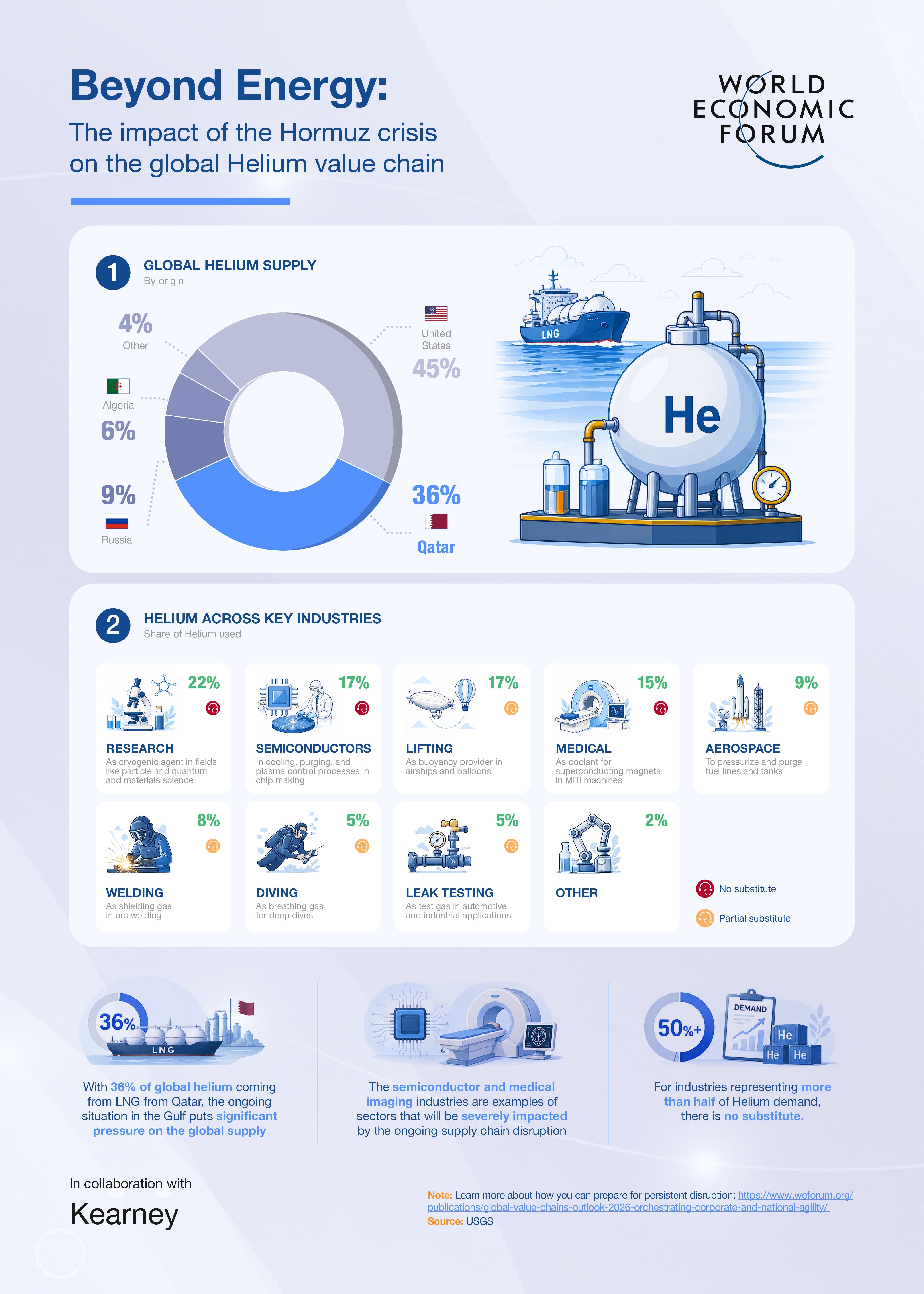
Moreover, helium supplies from Qatar, the world’s second largest producer, could also be impacted, affecting research uses, semiconductor production and medical devices.
3. News in brief: Trade stories from around the world
Singapore has launched OCEANS-X, a digital maritime platform aimed at improving data exchange across shipping and port systems. The initiative, developed by the country's Maritime and Port Authority, connects ports, carriers and regulators through API-based systems designed to reduce manual processes and speed up cargo clearance.
China has offered Viet Nam support for railway development, including loans, technology transfer and training, according to reports. The proposal was discussed in the context of broader cooperation on transport infrastructure and cross-border connectivity, with rail links highlighted as part of ongoing engagement between the two countries.
In a separate engagement, China’s commerce minister Wang Wentao has signalled willingness to explore further economic cooperation with Italy, including in trade, e-commerce and industrial investment. The comments follow discussions on bilateral economic ties amid existing trade imbalances.
Air fares have risen by around 24% on average over the past year, as airspace restrictions linked to the Middle East conflict force airlines to reroute flights and increase fuel consumption, the BBC reports. The disruption has also been compounded by higher jet fuel prices and reduced capacity on long-haul routes, particularly those operated by Gulf carriers, with the sharpest increases seen on Europe–East Asia routes.
4. More on trade on Forum Stories
The conflict around the Strait of Hormuz is exposing how global power still depends on a small number of vulnerable choke points – from key shipping lanes to concentrated industrial and digital systems. Explore how disruption in these narrow passages can ripple through energy markets, supply chains and financial stability, and how similar vulnerabilities now sit inside semiconductors, rare earth processing and critical digital infrastructure.
Governments are increasingly returning to industrial policy – using state intervention to shape investment, strengthen supply chains and support strategic sectors. In this episode of Radio Davos, we explore why this shift is happening, what it means for global trade and whether it signals a longer-term change in how the world economy is structured:
License and Republishing
World Economic Forum articles may be republished in accordance with the Creative Commons Attribution-NonCommercial-NoDerivatives 4.0 International Public License, and in accordance with our Terms of Use.
The views expressed in this article are those of the author alone and not the World Economic Forum.

Forum Stories newsletter
Bringing you weekly curated insights and analysis on the global issues that matter.
More on Trade and InvestmentSee all

E. Richard Gold
September 30, 2026