Methane emissions are accelerating warming. Scientists say this plan can help
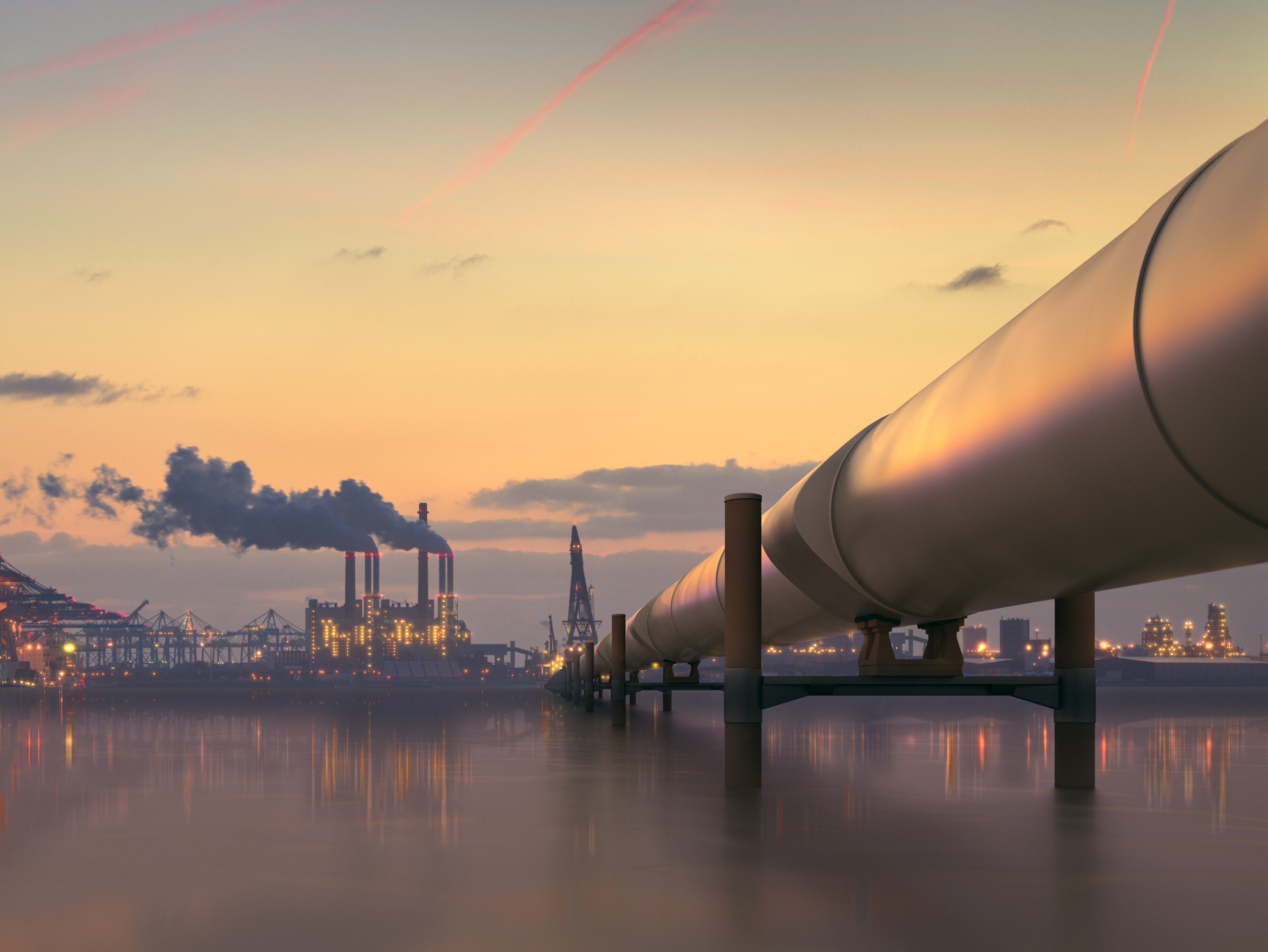
Methane emissions from fossil fuel production and use, agriculture and the handling of waste is responsible for nearly a third of the warming the world is experiencing today. Image: iStock/MichalKrakowiak
- Methane is a powerful greenhouse gas that’s accelerating global warming.
- An international meeting under the G7 Presidency will address methane emissions reduction, while a group of more than 250 scientists have also recently published a 10-point plan to accelerate methane science and policy.
- This provides an opportunity to take action to cut methane emissions globally, which won’t solve climate change alone but could help slow warming.
Policy-makers, business leaders and civil society will gather at an international event under the G7 presidency of France on May 4 to discuss how to confront methane, a powerful greenhouse gas that’s accelerating global warming. And more than 250 of the world’s leading methane scientists have just handed them a clear plan of action.
Earlier this month, these scientists gathered in Angera, Italy, where methane was first discovered in 1776. The goal was not to dwell on methane’s past, but to bring together leading voices to shape the future of methane action. The result is the Angera Declaration, a 10-point plan to accelerate methane science and policy.
Methane emitted from fossil fuel production and use, agriculture and the handling of waste is responsible for about 30% of the warming the world is experiencing today. The good news is that while methane is potent in the short term, it doesn’t linger in the atmosphere as long as carbon dioxide.
Whereas carbon dioxide emissions will continue warming the planet for centuries, methane breaks down in the atmosphere about a decade or two after being emitted. That means when we stop pumping new methane emissions into the atmosphere, temperatures should respond relatively quickly.
This is why methane is both a major threat and a major opportunity. Cutting methane emissions alone won’t solve climate change, but it is the best tool available to quickly slow down global warming.
And here’s the other big opportunity: Cutting methane emissions will improve air quality, health and food security. That’s because methane is a major driver of ground-level air pollution linked to hundreds of thousands of premature deaths each year and significant crop losses worldwide
How to cut global methane emissions
Efforts by industry, policy-makers and NGOs to cut methane emissions have accelerated in recent years. But scientists think progress can and should go even faster. Here’s how:
1. Doing more with the tools we already have
We know how to cut methane emissions from many sources, like fixing natural gas leaks, which are more than 90% methane, capturing landfill methane and reducing food waste. In many cases, the value of recovered methane – a valuable energy source – more than offsets the costs of implementing these strategies.
And when other benefits are included, methane action can deliver financial returns well beyond the price tag. What is missing is not science or technology, but the policies, incentives and financing to deploy these proven solutions at scale.
2. Improving our ability to see methane emissions clearly and consistently
As business leaders often say: You can’t manage what you don’t measure.
Incredible advances in satellite, airborne and ground-based monitoring have transformed our ability to track methane emissions and target action where it can have the greatest impact. Continuing to strengthen and expand these capabilities is critical to sustaining progress in the years ahead.
3. Expanding the toolbox for reducing methane emissions
The required technology is clear for many cost-effective methane solutions, but even more tools are needed to address harder to abate sources like livestock and ageing landfill emissions. Tackling these challenges will require investment in research and technology development, as well as supportive policies and incentives.
Methane emission reductions are even more powerful when carried out alongside cuts in carbon dioxide and other greenhouse gas emissions. Cutting methane emissions can slow warming in the near term, but the long game depends on reducing the full suite of greenhouse gases.
Accelerating progress to reduce warming
Some challenges know no borders. No country can solve the methane challenge alone or shield itself from the consequences of inaction. Progress to date in methane science and mitigation technologies provides a clear opportunity, but success ultimately depends on international collaboration.
Scientists are already seeing early signs that human-driven emissions are starting to trigger additional greenhouse gases, including methane, from warming natural systems such as wetlands and permafrost. Left unchecked, these effects could amplify warming in a self-reinforcing cycle.
Methane science has gone from the marshes of Northern Italy to methane-detecting satellites in space. There will always be more to learn, but we know enough now to move a lot faster in exploiting the available science that has been developed over the past 250 years.
The core message of the Angera Declaration is that accelerating progress on cutting methane emissions is possible and necessary. The benefits will be profound, making this an opportunity we can’t afford to miss.
Don't miss any update on this topic
Create a free account and access your personalized content collection with our latest publications and analyses.
License and Republishing
World Economic Forum articles may be republished in accordance with the Creative Commons Attribution-NonCommercial-NoDerivatives 4.0 International Public License, and in accordance with our Terms of Use.
The views expressed in this article are those of the author alone and not the World Economic Forum.
Stay up to date:
Climate Crisis
Related topics:


Forum Stories newsletter
Bringing you weekly curated insights and analysis on the global issues that matter.
More on Climate Action and Waste Reduction See all

Pim Valdre and Joy Shumake-Guillemot
September 17, 2026