A transition under strain: 4 experts reflect on the state of the energy system
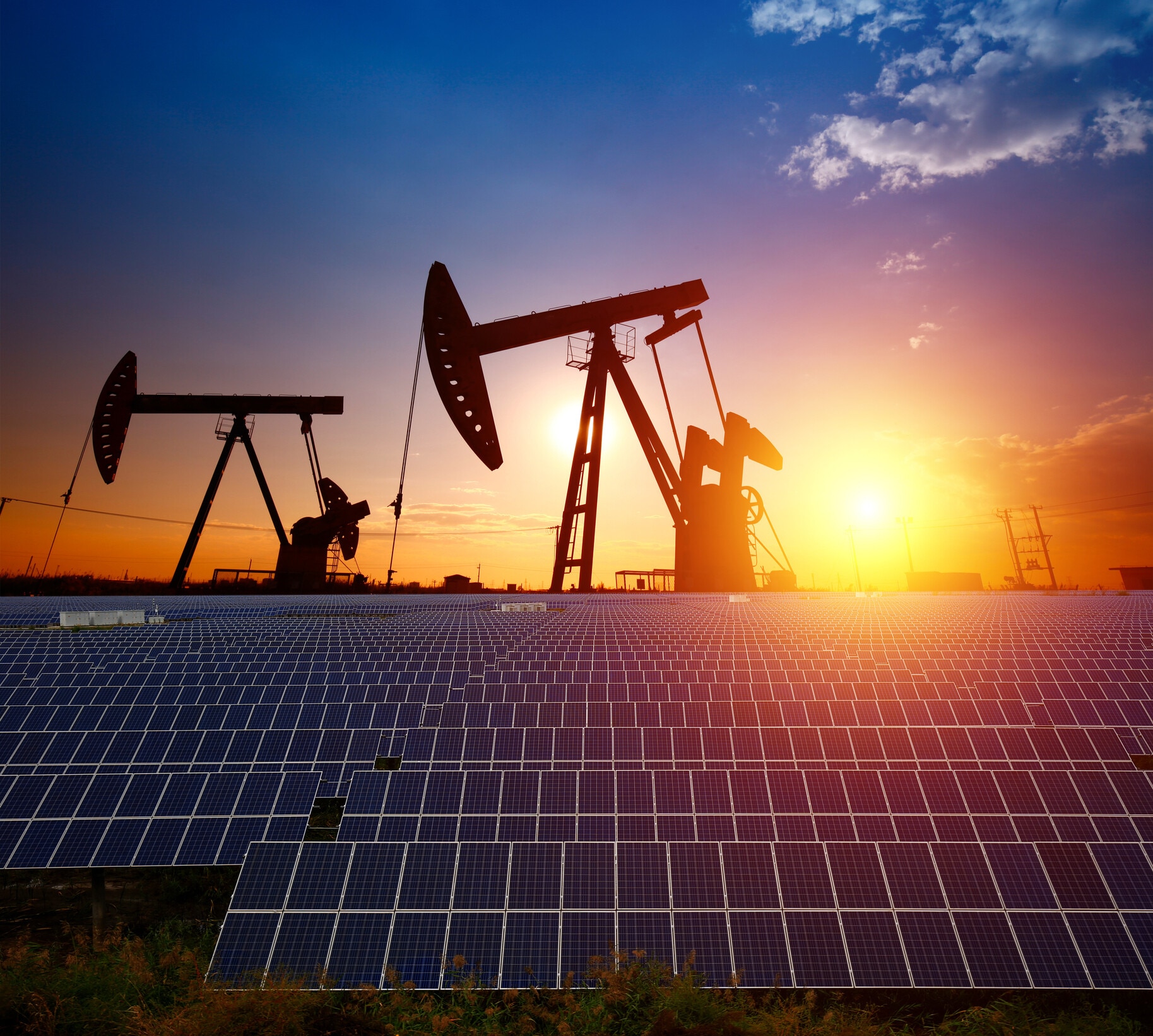
The energy transition is under pressure Image: Getty Images/iStockphoto
- The Energy Transition Index 2026 shows that the energy transition is not reversing, but it is fragmenting.
- Rising geopolitical tensions, infrastructure bottlenecks and fragmented investment are reshaping the pace and direction of the energy transition.
- We asked energy leaders where they see the energy system changing - and what it will take to get the transition back on track.
The World Economic Forum's Energy Transition Index 2026, developed in collaboration with Accenture, tracks energy systems across 120 countries using 44 indicators.
The headline numbers still impress: global clean energy investment reached $2.3 trillion in 2025. Yet, these gains sit alongside mounting constraints. The early 2026 disruption to energy flows through the Strait of Hormuz brought these vulnerabilities into focus, sending oil and gas prices higher and forcing import-dependent economies into harder trade-offs between energy access, affordability and transition investment.
The Energy Transition Index 2026, developed in collaboration with Accenture, tracks energy systems across 120 countries using 44 indicators. This year finds that the energy landscape is becoming more fragmented and security-driven. It finds that despite growing headwinds, 60% of countries improved their overall Energy Transition Index scores this year. However, balanced progress is becoming more concentrated, with only one in four countries improving simultaneously across security, affordability and sustainability. Finance and investment fell by 1.8%, policy commitment weakened, innovation slowed and more than 2,500GW of clean energy projects remain stalled in grid connection queues worldwide.
Against this backdrop, we asked energy leaders where they see the energy system changing and what the path forward requires. Here is what they told us.
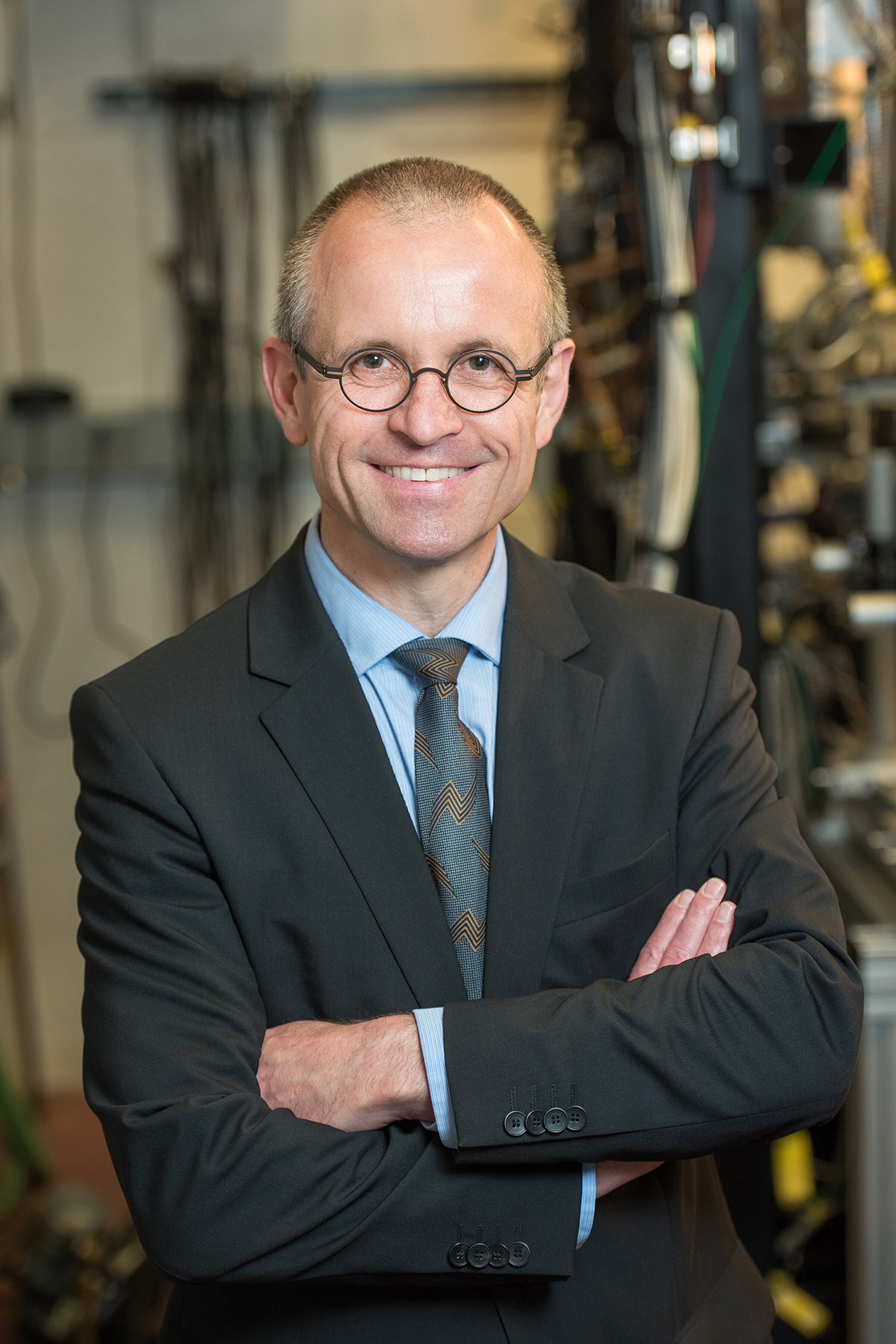
Volker Sick, Arthur F. Thurnau Professor of Mechanical Engineering and DTE Energy Professor of Advanced Energy Research, University of Michigan
Current geopolitical tensions and conflicts are catalyzing a profound shift in how we conceive of the energy transition. What was once framed primarily as a climate imperative is now equally a matter of strategic sovereignty.
This may prove to be the final push needed to overcome the inertia of convenience and dependence on existing infrastructure and the seemingly affordable energy that fossil fuels still provide. Future energy systems are poised to deliver not only the lowest-cost energy from solar and wind, but also to liberate nations from perpetual dependence on vulnerable supply chains for energy carriers.
Once installed, a solar field or wind farm requires little external input for decades beyond maintenance. But the path to getting there is constrained by a narrow supplier base for some raw materials and equipment. Yet this very constraint can serve as a catalyst, stimulating innovation to supersede incumbent technologies, replace bottleneck materials with newly engineered alternatives and diversify the supplier landscape with new entrants.
This reconfigured energy transition will not happen overnight either. But it now has a powerful and enduring driver propelling it forward with force to make one's energy system resilient to geopolitical disruption.
Damilola Ogunbiyi, CEO and Special Representative of the UN Secretary-General for Sustainable Energy for All and Co-Chair of UN-Energy

The global energy transition is accelerating, yet energy equity remains one of its most pressing challenges. While advanced economies focus on decarbonizing existing systems, many countries across the Global South are still working to achieve a more fundamental goal: universal access to energy.
The Global South represents over half of the world’s population, but its power generation capacity is not more than a quarter of the world’s total. Given that roughly 85% of new energy demand in the coming years is expected to come from developing and emerging economies, there is a clear need to create a sustainable energy supply.
Energy equity must become a central pillar of global energy policy, alongside sustainability and security. This means recognizing that many nations in Africa, Asia and Latin America are keen to expand energy access, transition to cleaner energy sources and support economic development, but simply lack the financing to do so.
The countries in the Global South face a combination of constraints: limited fiscal space, rising debt burdens, high cost of capital and challenging policy environments. This explains why, despite billions mobilized, many countries, especially in Sub-Saharan Africa and Southeast Asia, still receive little in energy investments.
Solutions include strengthening domestic policy, increasing deployed capital, integrating concessional finance and clear, sequenced transition plans to address the energy access gaps in developing and emerging economies, while accelerating these countries’ journeys towards net-zero.
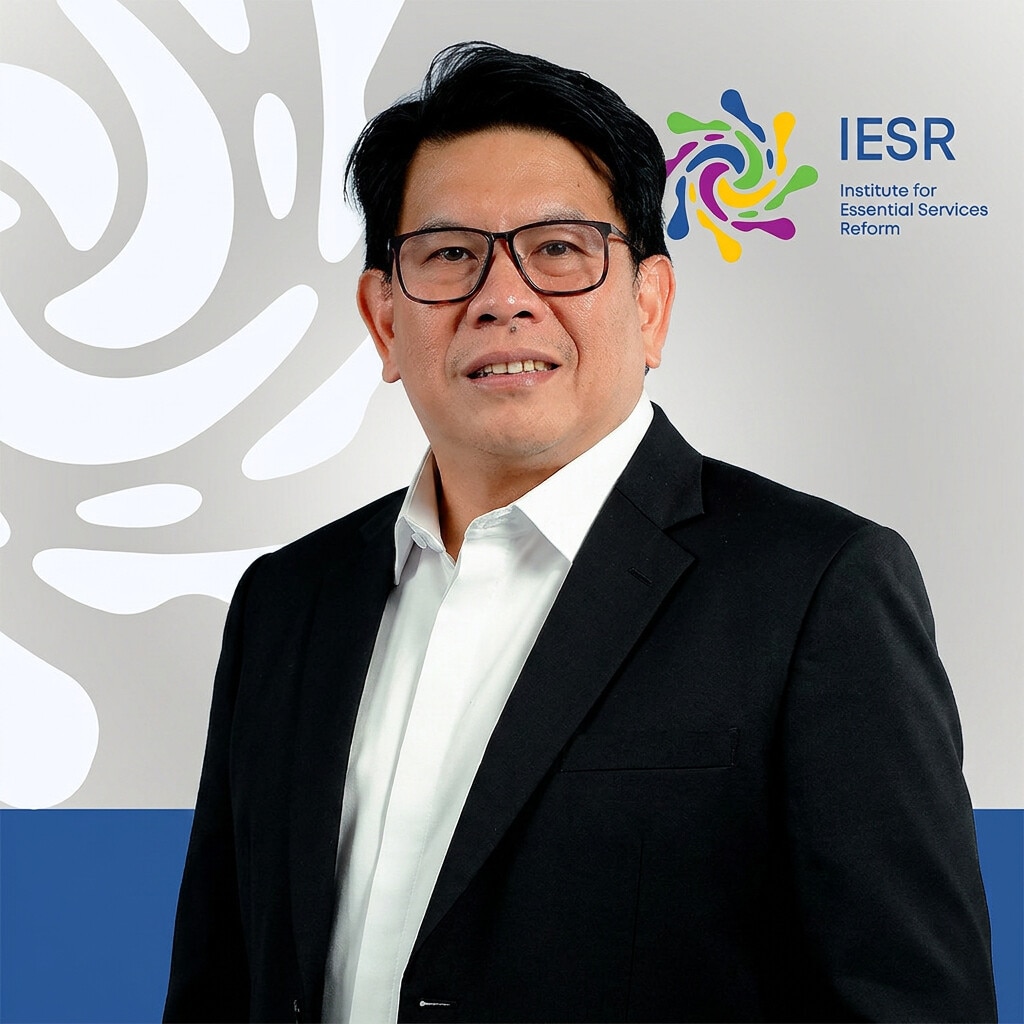
Fabby Tumiwa, CEO, Institute for Essential Services Reform
Southeast Asian governments are caught between a rock and a hard place. Keeping energy affordable is not a political excuse - it is a real obligation in economies where millions of households are one tariff hike away from energy poverty. But that same obligation has quietly become a ceiling on ambition. Fossil fuel subsidies consume the fiscal space that could otherwise finance the shift to cleaner energy, while a renewable energy transition is treated as a long-term aspiration, rather than a near-term necessity.
Things came to a head in 2026 when the Strait of Hormuz was attacked, sending oil prices surging. For governments already carrying heavy subsidy burdens, absorbing those price spikes proved fiscally crippling. The shock revealed a sharp divide in policy response: some countries used the crisis as a catalyst, accelerating domestic renewable deployment and grid investment. Others took the path of least political resistance, returning to coal and gas as the safer short-term bet.
But security versus affordability versus transition was always a false choice. Renewable energy at scale is cheaper than the fossil fuel alternative. Regional and national grid integration reduces overall system costs. And well-designed subsidy reform, one that protects the poorest households without underwriting inefficient consumption, can free up precisely the capital the region needs to close the transition gap.
Southeast Asia does not lack ambition. It lacks the policy courage to act on it.
Zhou Changchun Vice-President, Economic & Technology Research Institute GEIDCO
While the global energy transition faces fracturing pressures, China serves as a steadying force, turning high-level policy commitment into consistent and solid action.
As a steadfast practitioner of the energy transition, China has steadily expanded renewable capacity while building the large-scale power grid to transmit them. Since 2013, its solar capacity has grown more than 50-fold and its wind capacity sixfold. This domestic practice has significantly lowered technological and implementation barriers for zero-carbon power systems worldwide.
China's role/contribution to global clean energy transition takes three forms.
First, its integrated infrastructure capability sustains global momentum amid rising geopolitical tensions.
Second, its comprehensive technological chain, from advanced generation and storage to operating the world's largest power grid, offers a proven blueprint for overcoming bottlenecks stalling over 2,500 GW of clean energy projects worldwide. China's expertise in wide-area renewable energy resource optimization through power grid connection and system integration provides the missing link for integrating high-penetration renewables into existing grids.
Third, an expanding carbon market and a policy framework built on continuous refinement provide a flexible, yet goal-oriented, structure for long-term scalability.
As a promoter of cross-border energy cooperation, China champions grid connectivity as the most practical pathway forward, sharing operational experience and partnering on interconnection to channel abundant renewables to centres of demand. The transition must be a shared journey and China stands ready to make it achievable for all.
License and Republishing
World Economic Forum articles may be republished in accordance with the Creative Commons Attribution-NonCommercial-NoDerivatives 4.0 International Public License, and in accordance with our Terms of Use.
The views expressed in this article are those of the author alone and not the World Economic Forum.
Contents
Volker Sick, Arthur F. Thurnau Professor of Mechanical Engineering and DTE Energy Professor of Advanced Energy Research, University of MichiganDamilola Ogunbiyi, CEO and Special Representative of the UN Secretary-General for Sustainable Energy for All and Co-Chair of UN-EnergyFabby Tumiwa, CEO, Institute for Essential Services ReformZhou Changchun Vice-President, Economic & Technology Research Institute GEIDCO
Forum Stories newsletter
Bringing you weekly curated insights and analysis on the global issues that matter.
More on Energy TransitionSee all

Ayla Majid
July 28, 2026


