What does the energy shock mean for Thailand? 4 questions for Thailand's energy minister

The energy crisis is having real-world consequences in Asia. Image: Unsplash/Mil Amirian
- Disruptions in the Strait of Hormuz have had consequences for industry and commerce worldwide.
- It has also led to a rethink of how to secure vital energy needs, especially in countries in Asia.
- Thailand’s Minister of Energy examines what the energy shock means for his country and the wider region.
Various phrases have been used to describe events in the Strait of Hormuz: chokehold, flashpoint, tinderbox, to name a few. However, for the economies of Asia and Southeast Asia, from Mumbai to Manila, another word is perhaps more fitting: existential.
The figures paint a stark picture. Twenty million barrels flow through the Strait every day, and the vast majority head east. But it’s not just oil – 83% of the liquefied natural gas (LNG) that transits through this 21-mile gap in the map is bound for Asian markets. When the Strait tightens, Asia feels it first and feels it most directly. The entire region’s energy system, built over decades of relative stability, was not designed for disruption of this kind.
In the short term, the impacts of this disruption have been swift and severe. Power cuts in Bangladesh have brought the garment factories – responsible for 84% of export earnings – to a near standstill. In the Philippines, government offices have shifted to a four-day week as petrol prices surged more than 75%.
In Thailand, one of the country’s largest petrochemical plants has suspended operations entirely as it cannot reliably get the raw materials it needs through the Strait. These are the lived consequences of an energy architecture built around a single point of failure.
To better understand how Thailand and the surrounding region is grappling with the energy shock, I spoke with H.E. Akanat Promphan, Minister of Energy of the Kingdom of Thailand. Here’s what he had to say.
How is Thailand navigating the crisis in the Strait of Hormuz?
“Energy security is no longer an isolated challenge that each country can address independently. Thailand is committed to strengthening supply resilience and accelerating energy delivery at home and across the Association of Southeast Asian Nations (ASEAN) member states,” said Minister Promphan.
What is striking here is the regional instinct that Thailand is not retreating inward but instead looking to its neighbours as part of the answer. For a bloc that historically has struggled to align on energy policy, that shift in posture matters considerably.
It is especially interesting when one considers that Thailand’s own energy position is among the more intriguing in the region. Its draft Power Development Plan targets renewables to provide over 50% of electricity by 2037, yet Bangkok has near-term ambitions to become the region’s LNG trading hub.
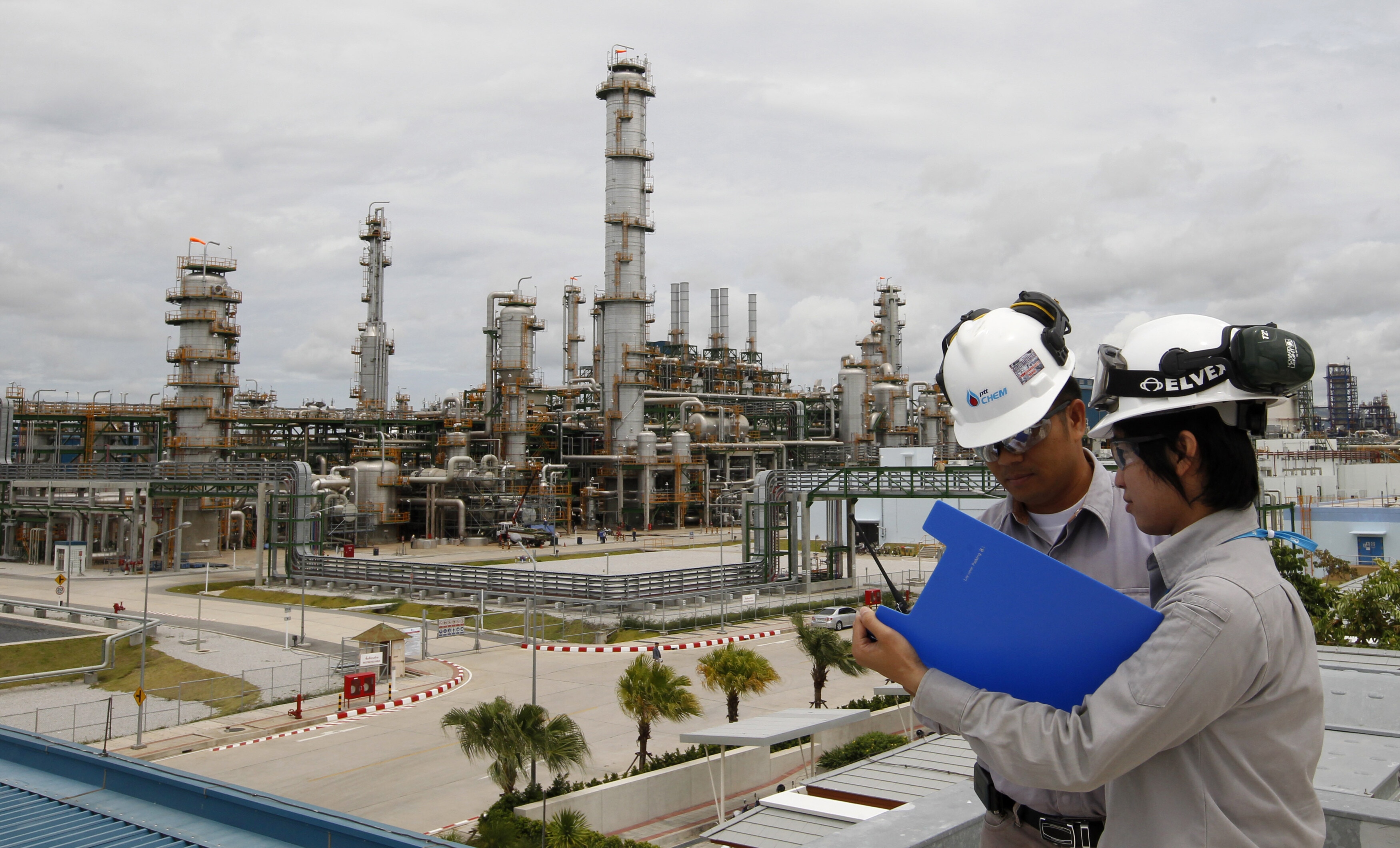
What is behind the two-pronged strategy to hedge renewables with LNG?
The Minister explained: “Thailand looks to natural gas and LNG not merely as transition fuels but as strategic foundations of long-term energy security, industrial competitiveness and regional stability.
“As economic development continues to transform the ASEAN landscape, securing reliable LNG supply and strengthening regional infrastructure is now essential to support the growth on which billions depend.”
In a region where energy demand continues to accelerate, the emphasis is not on choosing one pathway over another but on adopting a pragmatic approach that balances economic growth, energy security and decarbonization while ensuring flexibility, resilience and long-term stability.
How is AI impacting Thailand's energy systems?
For Thailand, the stability and reliability of its energy system is now more important than ever, as it continues to play a leading role in the expansion of AI and digital infrastructure in Asia.
As countries compete to attract investment in data centres and advanced computing capacity, the energy requirements needed to support this growth are becoming an increasingly important policy consideration.
In the eyes of the Minister, this has created both an opportunity and responsibility: “The growth of AI is transforming how countries think about energy systems, infrastructure and long-term competitiveness. With approximately $25 billion in newly approved investments in digital infrastructure and data centres this year, Thailand is positioning itself at the intersection of AI, electrification and future energy systems.”
His point reflects a broader reality facing governments around the world: ensuring that digital growth is supported by secure, reliable and affordable energy systems capable of meeting rising demand.
What emerged from our conversation is the impression of a country that has looked at the ongoing disruption and seen, alongside the immediate crisis, a clear argument for transformation: of its own energy systems and the region’s shared approach to energy security.
What role is Thailand playing in Gastech?
The country has looked at the ongoing disruption and, alongside the immediate crisis, seen a clear argument for transformation: of its own energy systems and the region’s shared approach to energy security.
This is a meaningful strategic posture, and Bangkok will have the opportunity to deploy it on the global stage when it hosts Gastech 2026, the world’s largest event dedicated to natural gas, LNG, low-carbon solutions, electrification and AI for energy.
For the Minister, Gastech will be the chance to “realize coordinated long-term investments, cross-border project implementation and increased regional connectivity.
“By hosting this landmark event, we have an opportunity to engage directly with the global energy companies, infrastructure developers, and financial stakeholders that are helping shape Asia’s future energy systems.”
Don't miss any update on this topic
Create a free account and access your personalized content collection with our latest publications and analyses.
License and Republishing
World Economic Forum articles may be republished in accordance with the Creative Commons Attribution-NonCommercial-NoDerivatives 4.0 International Public License, and in accordance with our Terms of Use.
The views expressed in this article are those of the author alone and not the World Economic Forum.
Stay up to date:
Oil and Gas


Forum Stories newsletter
Bringing you weekly curated insights and analysis on the global issues that matter.
More on Energy TransitionSee all

Per Kristian Hong, Guillaume De Lescluze, Memia Fendri and Hendrik Gaens
September 7, 2026