A new era of competition is here. What will define the winners? Six experts weigh in.

Are the rules of competition changing? Image: Getty Images/iStockphoto
- Competition is increasingly shaping access to technology, energy, capital, talent and influence, redefining the foundations of economic and geopolitical success.
- In this environment, the key question is not simply who will compete most effectively, but which qualities will distinguish those who thrive.
- We invited six experts to share their perspectives on what will define the winners of the next decade.
The world is entering a new era of competition. As documented in the World Economic Forum's Global Cooperation Barometer Report 2026, geopolitical rivalries are intensifying, economic ties are fragmenting and the institutions that have long underpinned international cooperation are coming under growing strain.
The World Economic Forum's Global Risks Report 2026 argues that this competition is increasingly shaping access to technology, energy, capital, talent and influence, redefining the foundations of economic and geopolitical success. In this environment, the key question is not simply who will compete most effectively, but which qualities will distinguish those who thrive. Will success belong to those with strategic resources and technological advantages, to those capable of building resilience amid uncertainty or to those able to forge new forms of partnership and cooperation in a more fragmented world?
Ahead of the World Economic Forum's Annual Meeting of the New Champions 2026, we invited six experts to share their perspectives on what will define the winners of the next decade. Their reflections point to a range of capabilities and strategies, from securing critical resources and embracing innovation, to building resilience, fostering trust and strengthening partnerships.
Taken together, they suggest that success in an age of intensifying competition will depend not only on gaining an advantage over others, but also on the ability to adapt, collaborate and create long-term value in an increasingly complex and fragmented world.
Here’s what they had to say:
Dr. Leslie Vinjamuri, President and Chief Executive Officer, Chicago Council on Global Affairs, USA
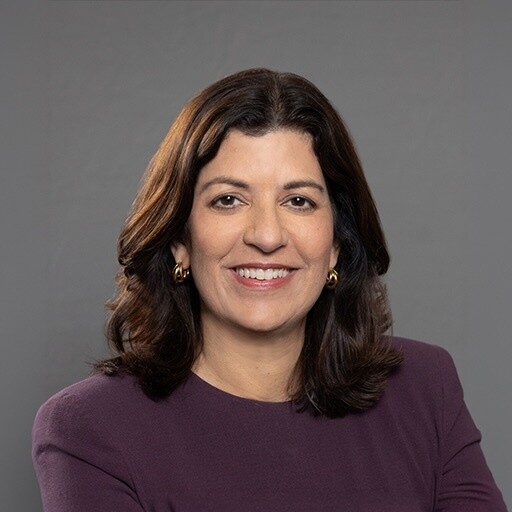
The shift from an international order based on rules for economic exchange to one defined by disruption, transnationalism and short-termism has unsettled the predictability and stability that have been a central feature of international relations for eight decades. Heightened technological and economic competition between the United States and China has also eroded the stability that has served as a basis for growth, development and cooperation. The winners that emerge from this new disorder will be those who can turn the opportunity that is created by the breakdown of the old rules and institutions to their advantage, but also to the advantage of others. The next generation of winners will develop the internal resilience and capabilities to forge ahead. They will be innovators, capable of thinking and acting outside the box and of working around institutions that are no longer fit for purpose. Success will depend on the ability to mobilize and leverage partnerships and coalitions of states and nonstate actors based on shared interests and mutual benefit. The next generation of winners will also need to build trust and a common sense of purpose with their partners.
Dr. Karen E. Young, Senior Research Scholar, Center on Global Energy Policy, Columbia University, USA
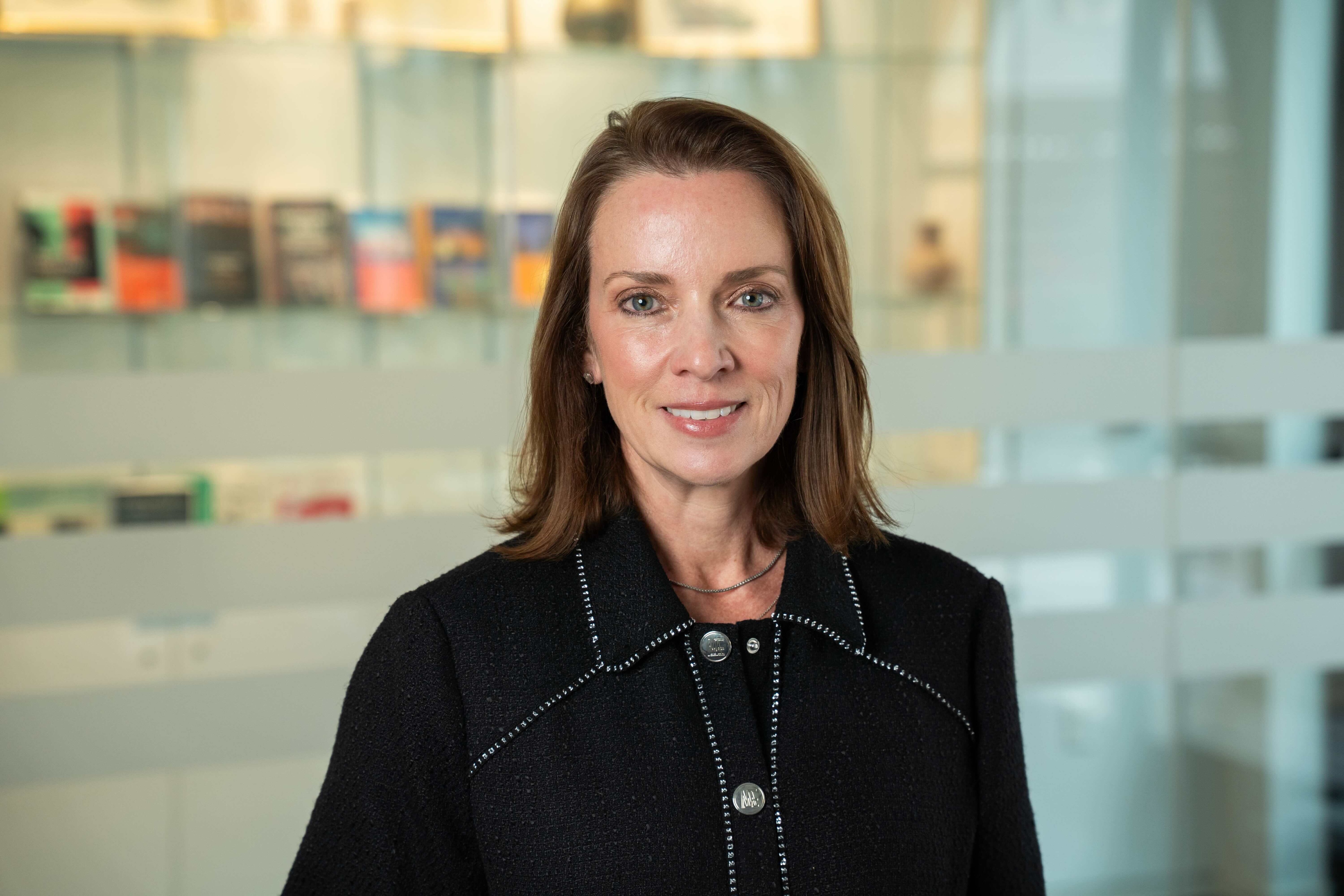
Competition should reward quality, efficiency and create choice. But it can also reward first movers and those who are rule or norm breakers. In an age of more forceful global competition, as norms break down and old institutional frameworks weather and decline, there is a risk of state dominance in competitive markets, especially in energy markets.
Competition for energy resources is increasing and states with national energy abundance, either through technology, minerals or fossil fuels, have an advantage over others. States that can use force and finance, sometimes in combination, also have an advantage in an age of competition for energy. Energy can be weaponized and withheld or obstructed at chokepoints. It is also a useful tool of economic diplomacy and statecraft, especially when renewable energy can be deployed as an alternative to costly fossil fuel imports. Winners in this age of competition will be states that can control, coerce and direct energy flows, including in financial competition for resources using state-owned firms and funds. Winners, too, will be those firms and individuals that can broker between states with available energy supplies and services.
But most of all, winners will be those who can define a long-term strategy to secure energy needs that also build new networks and institutions of interdependence, building what could be the next architecture of global economic and energy security.
Dr. Raquel Bernal Salazar, President, Universidad de los Andes, Colombia
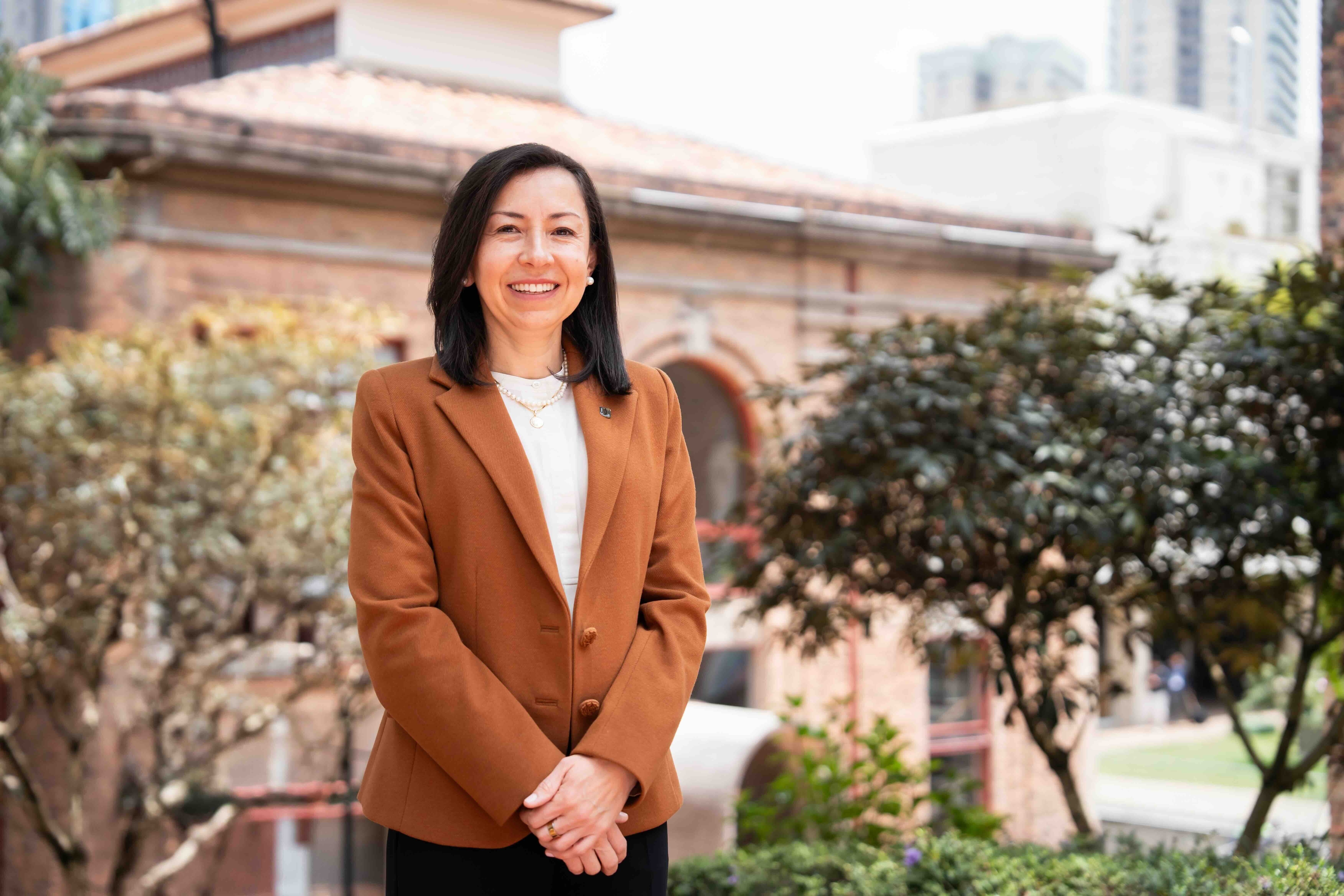
The Global Risks Report 2026 marks the beginning of a turbulent decade, driven by the transition from an era of cooperative globalization to a highly competitive and fragmented order. This could seriously threaten economic growth, equity and democracies.
Latin America is no exception: it is the most unequal region in the world and Colombia ranks as the third most unequal country out of 195 recognized nations. Our intraregional trade reaches barely 15% and we fail to share infrastructure, bioceanic corridors, regional electrical interconnections or digital markets across the region, despite sharing a language, cultural traditions and even religion.
In a world increasingly constrained by geopolitical rivalries, it will be precisely the 'New Champion' countries, innovative companies and entrepreneurial leaders who must lead collective construction agendas from the Global South to address global challenges.
Latin America possesses the comparative advantages that allow us to lead the adoption of the energy transition, clean technologies, solutions based on natural biodiversity and soils rich in rare minerals and lands that could turn us into the world's breadbasket. Regional cooperation is imperative for survival. To achieve this, it is necessary that we have the capacity to offer flexible, high-quality education that trains those business leaders, entrepreneurs and citizens to innovate, be adaptable and remain resilient.
Dr. Sanam Vakil, Director, Middle East and North Africa, Chatham House, United Kingdom
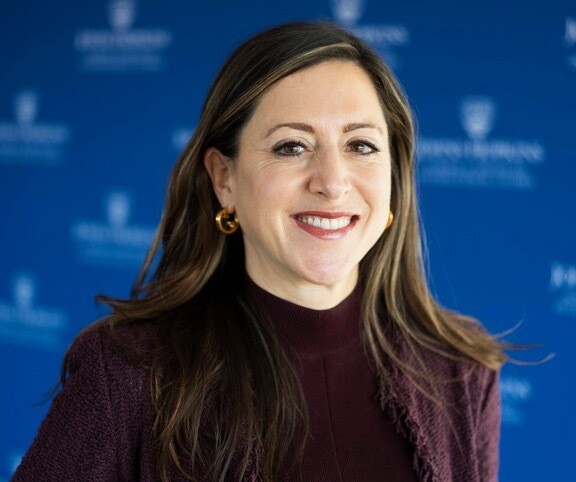
After several years of profound conflict, the Middle East’s most successful states over the next decade will be defined less by their ability to project power than by their capacity to withstand disruption and turn crisis into a more sustainable path forward.
One of the clearest lessons of recent years is that military strength alone cannot deliver stability. Wars, attacks on critical infrastructure, disrupted trade routes, cyber threats and political fragmentation have shown how quickly national ambitions and economic visions can be derailed. The countries that emerge stronger will be those with effective and diversified resilience strategies.
This means protecting the systems on which societies and economies depend, from energy and ports to water, food supply, finance and digital networks. It also means reducing overdependence on hydrocarbons, foreign labour, external security guarantees or any single trade route. Economic resilience will require more diversified sources of revenue, stronger private sectors, investment in skills and technology and institutions capable of managing and anticipating crises.
For this to succeed, the way forward will also require more pragmatic regional cooperation. Crisis channels, regional trade, infrastructure connectivity and clearer understandings around maritime security, cyber risks, missiles and conflicts will be essential to prevent future shocks from escalating.
Professor Rees Kassen, Director, McGill's Sustainability Park, McGill University, Canada

An increasingly multipolar world is - for the moment at least - an increasingly uncertain one. Nation-to-nation relations that have endured under a rules-based international order since the end of WWII are being reevaluated and trust eroded. The result is retrenchment and conservatism, making it harder to invest in the talent and innovation required to meet the global challenges of the next decade.
The retreat from renewable energy - despite growing evidence that demand for oil and gas is approaching its peak in many of the largest economies - is probably the leading example. But waiting for stability to return is itself a risk and likely the greater one.
Success over the next decade will need leadership to promote stability and predictability with an eye to reducing uncertainty and building resilience. That means becoming more risk-tolerant by design: portfolio approaches to research and innovation, faster decision cycles and talent systems that reward intelligent experimentation. Building trust is key, as this is the basis for investment in the innovations needed to tackle global challenges.
Key actions can include reaffirming a commitment to the rule of law, proactively managing the risks of misinformation and disinformation and supporting a strong, internationally connected educational system to support talent development and project diplomacy. The leading challenges of the next decade have not changed, although the political and economic climate in which we are working to meet them has. Building resilient systems while projecting security, stability, and predictability and demanding the same from partners, can reinvigorate the innovation ecosystem needed to meet those challenges.
Professor Arturo Bris, Director, IMD World Competitiveness Center, IMD Business School, Switzerland
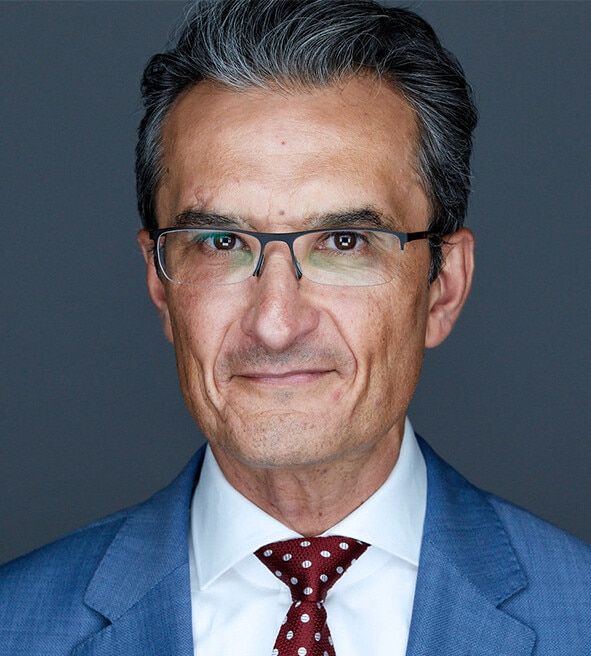
We have to be very careful when making predictions. In the words of the late American economist Frank H Knight, “risk is measurable, uncertainty is not.” Risk is more objective (everyone would agree on the lack of stability in investing in the U.S. now, for instance), but uncertainty is just a perception (there’s a lot of this in stock market decisions, say).
Forget uncertainty, forget strategy even. Leaders today need to operate in a constant crisis-management mode. Making predictions can often lead us to lean too much on the past. Think of a decision you have made that relied heavily on the past continuing. What would have to change in the world for that decision to suddenly look wrong? Well, it could happen.
Instead of long-term plans, we need short-term tactics; we need the processes and capabilities in place to be able to respond fast — plus the sanguinity to make big bets on the future.
Another interesting task is to identify where in your organization the longest unbroken run of good news is. Now ask: is this a sign of resilience — or of a risk that hasn't shown up yet?
Some risks come out of nowhere and some don’t. But no one is paid, promoted or remembered for flagging risks that don’t materialize.
In order to effectively navigate global risks in today’s unpredictable climate, we need to diversify and de-risk more than we need to identify long- and short-term risks. This might mean reducing single-country dependencies in supply chains; hedging currencies and commodity exposure deliberately; or holding optionality (cash, dual sourcing, or regional footprints).
License and Republishing
World Economic Forum articles may be republished in accordance with the Creative Commons Attribution-NonCommercial-NoDerivatives 4.0 International Public License, and in accordance with our Terms of Use.
The views expressed in this article are those of the author alone and not the World Economic Forum.
Contents
Dr. Leslie Vinjamuri, President and Chief Executive Officer, Chicago Council on Global Affairs, USADr. Karen E. Young, Senior Research Scholar, Center on Global Energy Policy, Columbia University, USADr. Raquel Bernal Salazar, President, Universidad de los Andes, ColombiaDr. Sanam Vakil, Director, Middle East and North Africa, Chatham House, United KingdomProfessor Rees Kassen, Director, McGill's Sustainability Park, McGill University, CanadaProfessor Arturo Bris, Director, IMD World Competitiveness Center, IMD Business School, Switzerland
Forum Stories newsletter
Bringing you weekly curated insights and analysis on the global issues that matter.
More on Energy TransitionSee all

Sophia Mendelsohn
September 21, 2026


