To age better, we need to rethink health itself
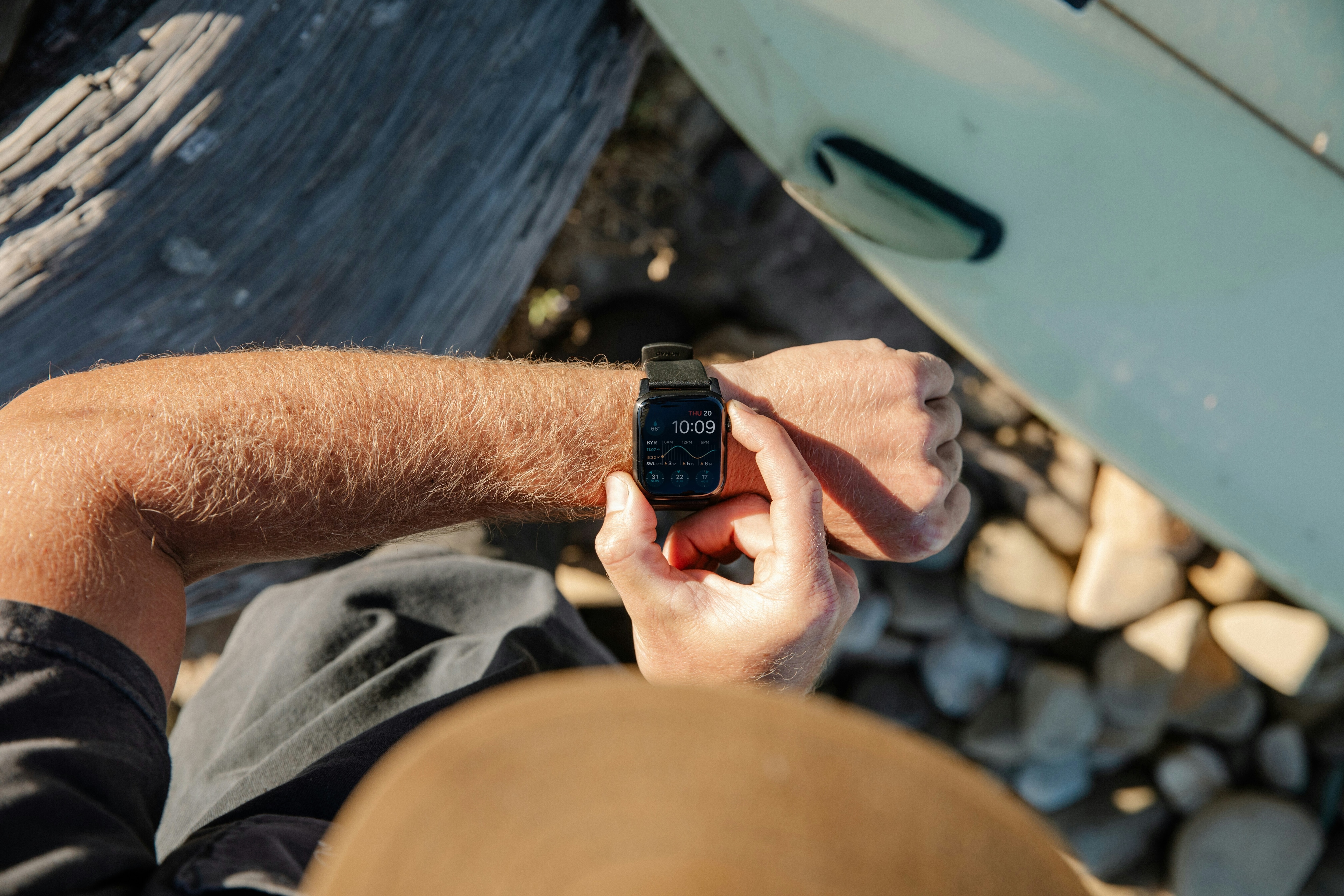
Preventative health measures lead to healthier ageing Image: Photo by Dawn Patrol Surf Tracking on Unsplash
- Over the past century, we’ve seen a dramatic shift towards longer lives; by 2050, more than 1.6 billion people will be aged 65+.
- At the same time, societies spend extraordinary sums treating illness only once it appears, while evidence consistently shows that preventive health delivers far greater long-term value.
- The World Economic Forum’s new Global Longevity Initiative aims to bring together the smartest minds to challenge conventional thinking on health and drive solutions that support healthier lives, while tackling the economic impacts of ageing societies.
Last year, my kids challenged me to run a marathon. I’ve never been crazy about running, but I never say no to a challenge. So, I thought, why not? It’s a good way to stay fit. I downloaded a running app, got a decent pair of running shoes and adjusted my fitness routine.
I’ve heard other runners talk about reaching a state of flow: that moment when running stops feeling like hard work and becomes something you truly enjoy. Well, I’m not quite there yet, but I have noticed something very tangible: I feel fitter and my fitness level is improving too. My watch shows progress in heart rate variability, cardiovascular fitness and VO₂ max. Seeing that progress is highly motivating; it allows me to track the impact of my choices in real time.

This ability to track, measure and act on my health has made me think of a much wider transformation happening around us: ageing. My dad died at the age of 80. At the time, I thought that was old. Now, with modern medicine and technology, that perspective has changed. Over the past century, we’ve seen a dramatic shift towards longer lives.
By 2050, more than 1.6 billion people will be aged 65+. An impressive achievement, but it puts significant pressure on workforces, healthcare systems and economies. Not only because we are living longer, but also because the years we gain are not always healthy ones.
This global transformation requires us to rethink our approach to health. Today, societies spend extraordinary sums treating illness only once it appears, while evidence consistently shows that preventive health delivers far greater long-term value.
A systematic review, for example, found that for every $1 invested in public health and prevention in high-income countries, society receives $14 through avoided healthcare costs and wider economic benefits.
The question, therefore, is not whether prevention delivers, but how we accelerate the shift towards it. As CEO of a nutrition, health and beauty company, I feel a personal responsibility to help drive this shift and to make prevention part of everyday lives.
How do we make sure that the healthy choice is the easy choice?
By redesigning what consumers can find on the shelf, we can improve the accessibility and affordability of healthier options. This is because cost, time constraints and lack of knowledge all make it harder to consistently choose well. Research shows, for example, that only around 10-12% of people in the European Union and the United States consume enough fruit and vegetables.
That’s why prevention must start upstream, by redesigning the default. That’s exactly where companies, like dsm-firmenich, are driving the shift. Take salt, for example. Eating too much of it isn't good for our health, but people are unlikely to choose lower-salt options if they don't taste as good. Our teams develop ingredients using taste science and flavour technology, so that food with much less salt can keep the same rich, savoury flavour.
Digital is the next frontier of change, creating more visibility into our health
Many people carry a phone that automatically tracks daily steps, while wearables monitor sleep, heart rate and activity levels. Alongside this, biomarker testing and other tools are giving a far more dynamic, ‘real-time’ picture of health than the occasional doctor’s visit. Importantly, these technologies are becoming increasingly accessible, putting powerful health insights into the hands of millions of people.
Data alone doesn’t improve health; its value lies in how it’s used and the new opportunities it creates beyond healthcare. The food and nutrition industries, for instance, can now move beyond one-size-fits-all recommendations, tailoring products and guidance to individual needs. This is where collaboration with the technology sector becomes essential: those insights can be turned into science-based interventions, such as micronutrient intake or dietary guidelines, that deliver meaningful outcomes.
Supporting and guiding healthier choices is not enough, we also need the right incentives
Governments could play a critical role in accelerating this shift by rewarding preventive care and early intervention. Singapore, for example, encourages residents aged 40+ to enroll with a preferred family doctor or polyclinic through its Healthier SG programme.
This offers a free first consultation, alongside enhanced subsidies for screenings and vaccinations. The initiative is actively strengthening preventive care, supporting healthier lifestyles and improving the early detection and management of chronic conditions in a country known for its relatively efficient healthcare system and one of the world’s highest life expectancies.
Many of us spend a significant share of our waking hours at work, so employers also have a fundamental role in encouraging healthy lifestyles. Besides vitality programmes, I believe sport brings this together: combining physical health and team spirit.
At dsm-firmenich, we walk the talk: in May 2026, more than 70 colleagues took part in the 3Länderlauf in Basel, Switzerland and I joined 200 colleagues at the dsm-firmenich Long Course Weekend in Maastricht, the Netherlands. I’m currently rallying internally to get 500 colleagues at the starting line of the 2027 Maastricht and Basel running events, whether that’s a marathon, 5K or something in between. We all start somewhere.
For major transformations like these to succeed, we need to combine our strengths: governments, academia, civil society and companies each bring unique expertise. That’s why I’m excited about co-leading the World Economic Forum’s Global Longevity Initiative, which aims to bring together the smartest minds in these fields, to challenge conventional thinking, foster collaboration and drive change across sectors.
Through this initiative, we will join forces with other industry leaders and key stakeholders to promote the integration of nutrition and vitality into active health and wellness management, while harnessing AI, data and intelligent systems to strengthen early detection and prevention. It’s a vast space in which there is still lots of opportunity to make progress. As a nutrition, health and beauty company, we simply do not want to be bystanders.
If my kids have taught me anything by getting me to run, it’s this: most of the time, we need a little nudge to get into action. The toughest metres of any run are the ones to the front door. Once you’re past that, it starts giving back. That’s exactly what preventive health is about: small, consistent steps that pay off over time.
Don't miss any update on this topic
Create a free account and access your personalized content collection with our latest publications and analyses.
License and Republishing
World Economic Forum articles may be republished in accordance with the Creative Commons Attribution-NonCommercial-NoDerivatives 4.0 International Public License, and in accordance with our Terms of Use.
The views expressed in this article are those of the author alone and not the World Economic Forum.
Stay up to date:
Health and Healthcare
Related topics:


Forum Stories newsletter
Bringing you weekly curated insights and analysis on the global issues that matter.
More on Health and Healthcare SystemsSee all

Jan-Willem Scheijgrond and Hervé Balzano
September 28, 2026


