What makes a country ‘rich’? And more top economic stories
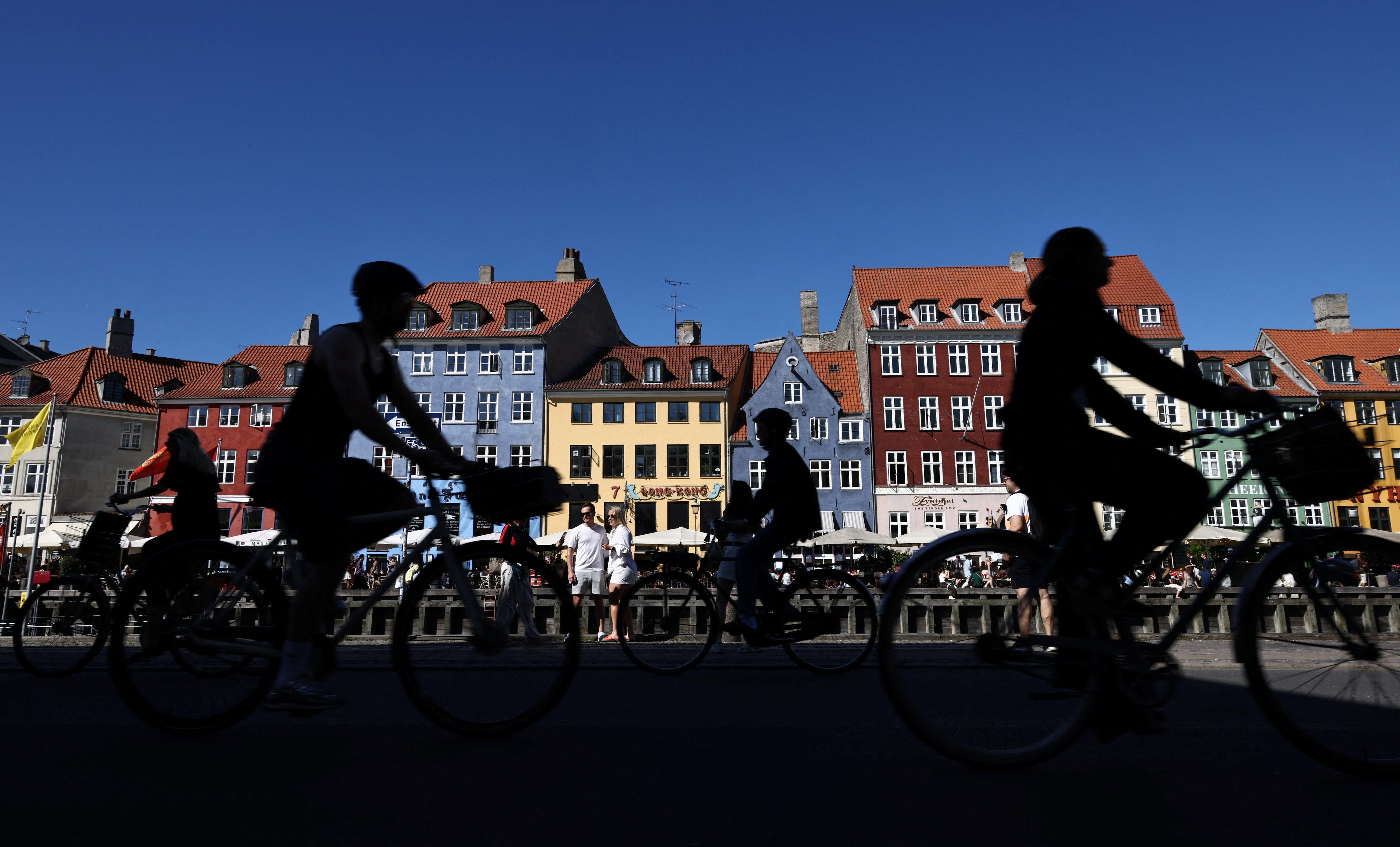
A new report tells us we've gotten richer, but feeling wealthy can mean different things in different places. Image: REUTERS/Tom Little
- This regular roundup of news and analysis on the global economy features reflections on what’s really making people ‘rich,’ insights on why the AI boom is generating backlash, and ‘fees’ versus ‘tolls’ in Hormuz.
Do you feel richer?
According to the latest Global Wealth Report published by UBS, for every $10 the world had in its pocket at the start of 2025, it gained a bit more than $1 by year’s end.
Average wealth topped a half-million dollars in seven different countries. An average can certainly be eye-catching, but it’s also liable to be skewed higher by a small number of big earners outpacing everyone else. “People tend to think about their wealth relative to the wealth of others,” the bank’s chief economist wrote in a foreword to the report. And what people think can have far-reaching impact.
A median provides a fuller read of what’s happening “in the middle of the scale,” as UBS put it. The US ranked second in the report in terms of average wealth, but 28th in median terms. Belgium moved in the other direction, from 11th in average wealth to 2nd in median terms; Italy was 23rd in average wealth but 11th in median terms.
The report arrived not long after an editorial published in the US kicked off a debate about whether Europe is now “poor” compared with that country, and just doesn’t realize it yet. The indicator underpinning the piece was GDP per capita – which is an average.
Have you read?
An American economy now two-and-a-half centuries old has had a pretty good run. It recently minted its first trillionaire. But does its GDP per capita reflect how most people feel relative to, say, Finland? The country ranked eight times in a row as the world’s happiest? It has a per-capita wealth figure 60% lower than America’s. Spain’s figure is 133% lower, yet nearly two-thirds of people there polled recently think their personal economic situation is “very good or good.” Are they misinformed?
How about China, where a gallon of gasoline may be more expensive than it is in the US, but public transportation costs far less. So do restaurants, entertainment, and a university education. People there are being relentlessly told that they need to buy more, for the benefit of the economy (a constant topic of discussion at the recent Summer Davos in Dalian). As if they aren’t the best judges of how to manage their own finances.
It’s yet another indication that there’s no single standard. Wealth can look and feel very different, in different places.
Is AI making us richer?
It’s certainly making a lot of people anxious. “Most companies will be very hurt by a populist revolt or political violence that this would cause,” the subject of this Washington Post story said of the sweeping job cuts now possible due to AI. She’s a former US commerce secretary leading an effort to ensure this doesn’t happen.
It’s also complicating the climate picture. According to this Bloomberg report, the American tech giants leading the AI charge saw their emissions spike last year as they built out the data centres necessary to make it all possible. One company emitted the equivalent of 19 million gas-powered cars.
And its trajectory may require enabling more people to benefit. Some of the same (very wealthy) people who are contributing to Americans’ sense that the deck is stacked against them are now asking them to embrace AI, according to this piece in Project Syndicate – and they’re not having an easy time of it.
Do trade wars ever make anyone richer?
“China is winning a trade war that Europe is only just now discussing.” The trade impasse between the global powers was another topic widely discussed on the sidelines of Summer Davos. This piece in The Economist argues that the bloc may have to take action via a subset of member states, instead of awaiting consensus.
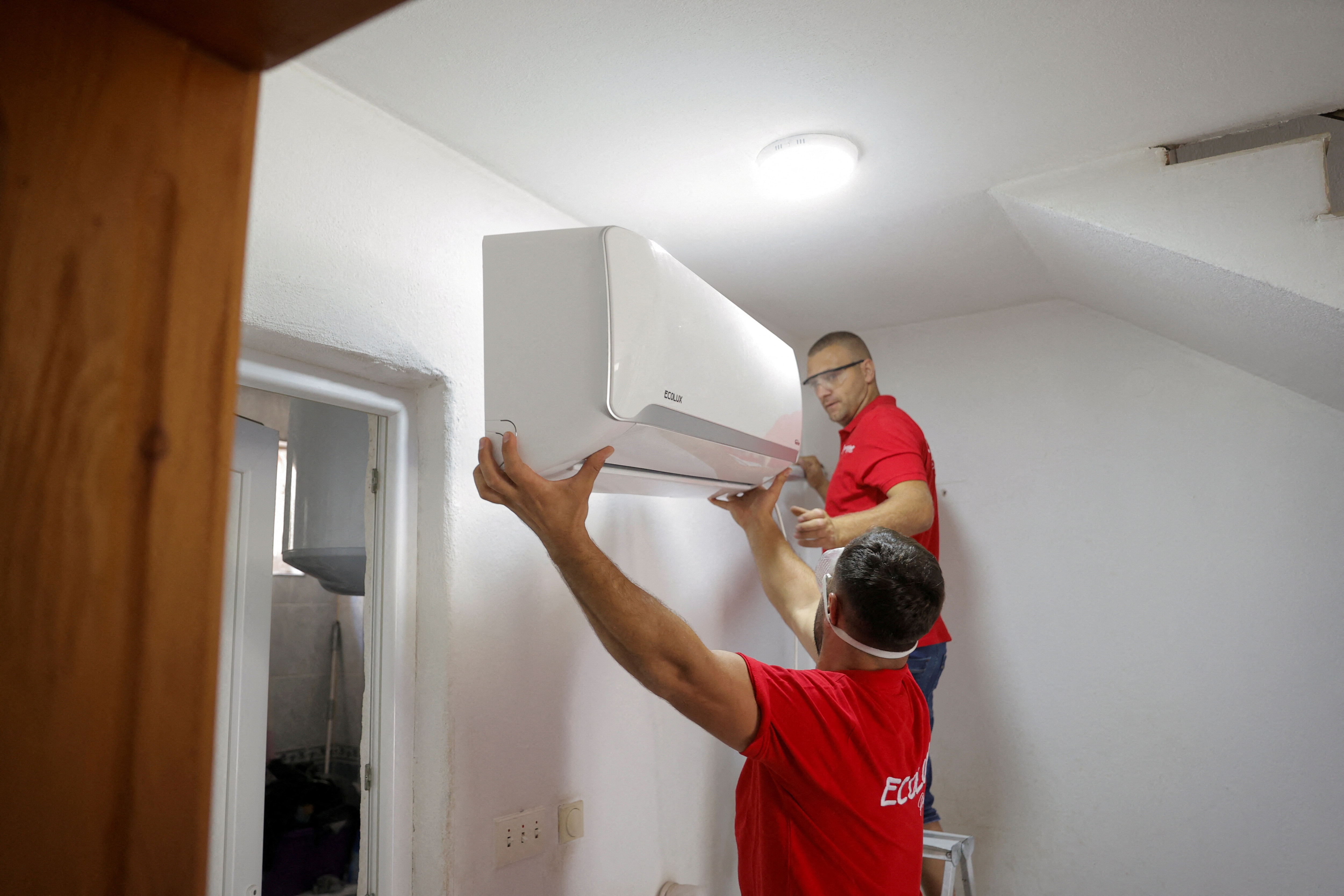
A warming climate complicates things for Europe. This report in The Wall Street Journal describes a rapidly warming continent now in desperate need of Chinese-made air conditioners – which is not great for efforts to reduce its dependence on inexpensive Chinese goods.
‘Reached a point that requires a reset.’ This piece in The Conversation recalls an era when it was cheap Japanese goods preoccupying Western economies, and an agreement that ended up having severe consequences for Japan. Not surprisingly, China doesn’t seem interested in a similar arrangement.
Other news in brief
Supercharged wealth requires labour. Guyana has the fastest-growing economy in the world, and that’s a draw for people fleeing the crisis in Cuba. (New York Times)
One way to potentially get richer. A renowned investor is doubling down on his bet against the AI boom. (The Wall Street Journal)
Another type of bet goes big. The World Cup kicked off a sports betting frenzy; for one US state that means a huge tax revenue haul, but also a need to roll out related prevention programmes. (WBUR)
A means for Iran to raise revenue. The difference between potentially charging “tolls” to pass through the Strait of Hormuz and charging “service fees.” (Geneva Solutions)
Hormuz isn’t the only thing prompting a search for alternatives. Canada’s building a new oil pipeline to reduce its reliance on the US. (Financial Times)
Europe is seeking alternatives for a sweltering workforce. With summer heatwaves now the norm, what can the continent learn from other parts of the world already well-familiar with related challenges? (LSE)
Don't miss any update on this topic
Create a free account and access your personalized content collection with our latest publications and analyses.
License and Republishing
World Economic Forum articles may be republished in accordance with the Creative Commons Attribution-NonCommercial-NoDerivatives 4.0 International Public License, and in accordance with our Terms of Use.
The views expressed in this article are those of the author alone and not the World Economic Forum.
Related topics:

Forum Stories newsletter
Bringing you weekly curated insights and analysis on the global issues that matter.
More on Economic GrowthSee all

Ramya Krishnaswamy and Tony Simpson
October 1, 2026


