What are neoclouds and how are they reshaping the architecture and economics of AI?
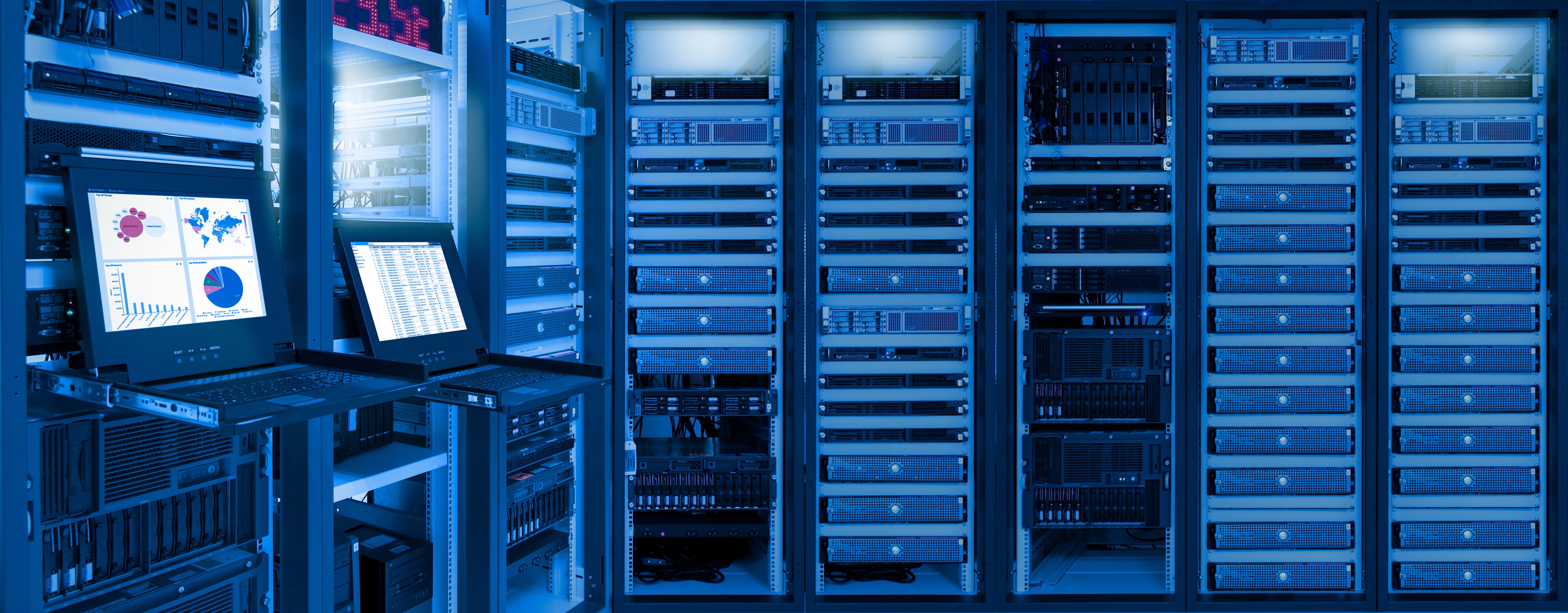
Unlike traditional cloud platforms, neoclouds provide the processing power, low latency and bandwidth requirements AI infrastructure needs. Image: Getty Images/iStockphoto/Yanawut
- Neoclouds are cloud-based graphics processing unit (GPU) platforms optimized for the power, latency and bandwidth requirements of modern AI workloads.
- This advanced type of AI infrastructure is predicted to grow to comprise a $250 billion market by 2030.
- Neoclouds provide hyperscalers with an alternative to today's AI infrastructure that could align better with national and regional priorities.
For more than a decade, digital infrastructure appeared to be following an inevitable path of consolidation into a handful of hyperscale cloud providers powering the global economy. Cloud became synonymous with scale, efficiency and centralization.
Now, geopolitical volatility, the rise of artificial intelligence (AI) and shifting economics are exposing new challenges that traditional cloud architectures were never designed to address.
This is creating the conditions for a new generation of infrastructure providers. Enter the neocloud.
Over the past two years, neoclouds – specialized AI-first cloud providers – have emerged as a structural response to three defining challenges of the intelligent age: access to compute, sovereign control and economic resilience. ABI Research forecasts a potential $250 billion market opportunity for neoclouds by 2030, driven by surging demand for AI-enabling infrastructure and the need for semiconductor manufacturers to diversify their increasingly concentrated customer bases.
The implications of this extend well beyond technology. Neoclouds represent a shift in how AI infrastructure is financed, distributed and governed. By lowering barriers to high-performance computing, they could broaden access to AI capabilities while simultaneously raising new questions around sovereignty, market concentration and long-term sustainability.
What are neoclouds?
As specialized AI-first cloud computing providers, neoclouds are built around high-performance graphics processing unit (GPU) infrastructure. This is delivered "as a service" for frontier model training (the current driving force for neoclouds) and to governments, enterprises and other AI developers.
Unlike traditional cloud platforms, which are designed primarily for general-purpose central processing unit (CPU) computing, neoclouds are optimized for the processing power, low latency and bandwidth requirements of modern AI workloads.
While there are already nearly 200 neocloud operators globally, the market remains highly concentrated. Most deployed capacity is located in North America and Europe, while Asia-Pacific continues to be the fastest-growing region.
Since neocloud providers tend to operate within specific jurisdictions, regulatory blocs or industry sectors, their regional value proposition goes beyond simple data residency. They can offer a greater degree of alignment with local legal frameworks, regulatory expectations and national AI ambitions.
As a result, neoclouds could become an important infrastructure layer for sovereign AI initiatives that require greater certainty around governance, security and operational control.
The right timing for neoclouds
The emergence of neoclouds is inseparable from broader geopolitical and economic shifts. Intensifying technology competition, supply chain concerns and growing scrutiny of cross-border data dependencies have transformed digital infrastructure and the capabilities it supports from a procurement decision into a strategic national issue.
Many governments increasingly view access to AI compute as a matter of economic competitiveness and national resilience. National AI strategies require infrastructure that aligns with local regulatory frameworks and governance requirements. This creates demand for alternatives to globally centralized platforms, which may be primarily subject to the political demands and jurisdictions of other nations.
Neoclouds have emerged as one potential answer to that demand.
There is also a powerful commercial logic behind their growth. Historically, chip manufacturers have relied heavily on a relatively small group of hyperscale customers. But is this circular model ultimately sustainable?
The Economist recently questioned the viability of this economic model – $900 billion in capital investment planned by US technology companies this year, supported by $400 billion in debt and requiring around $2.5 trillion in annual revenues to create a positive return on the cumulative investment.
These are big numbers at an inflection point where corporate users are assessing the value versus cost of AI, while governments are counting on AI to be the panacea for anaemic growth and high public debt levels and rates.
Neoclouds provide an additional route to market, helping to diversify demand while accelerating AI infrastructure adoption. And as major suppliers, customers and investors in neoclouds, the broader semiconductor ecosystem has a strong incentive to see these providers succeed.
Neocloud supply chain and pricing challenges
Many neoclouds started corporate life as cryptocurrency mining operators. They transitioned into GPU-as-a-service offerings with an ambition to move up the value chain into embedded workflow intelligence, managed services and industry-specific solutions.
Additionally, ABI Research projects that AI inference workloads could surpass training workloads in terms of revenue before the end of the decade. This could create major opportunities for differentiated service offerings, and additional competitive tension for users.
This would be happening just as a reasonable economic return from AI becomes a significant driver of investment. And rather than having a few dominant chip providers for supply, sales, finance and pricing, Neoclouds could identify and help promote a more diversified and truly resilient AI ecosystem at all levels.
New generations of AI chips, alternative computing architectures and increasingly capable open-source AI models are already challenging assumptions about infrastructure requirements and capital intensity. These developments raise important questions about whether today's unprecedented AI infrastructure spending levels will generate proportional long-term returns.
When asked if the current AI infrastructure boom is "hype" at the World Economic Forum's Annual Meeting in Davos in 2026, Citadel hedge fund founder Ken Griffin said: "Of course it is!” He also said: “You’re not going to generate this kind of spend unless you make a promise that you’re going to profoundly change the world.”
The bigger question about neoclouds
So, do neoclouds represent an independently sustainable new category of digital infrastructure or merely a transitional phase in the evolution of cloud computing?
To survive independently, neoclouds must build differentiated value beyond commodity compute. If they fail to do so, they risk becoming another layer of infrastructure ultimately absorbed into the hyperscaler ecosystem they were designed to complement and, in some respects, challenge.
The AI era is placing unprecedented importance on trust, resilience, sovereignty and access to compute. The hyperscaler model delivered scale and efficiency. Neoclouds promise something slightly different: greater autonomy, competitive diversity and the potential for closer alignment with national and regional priorities.
Neoclouds won’t replace the cloud economy, but they are emerging as a critical evolution of it. They can help to diversify AI compute supply while reshaping the economics and governance of the digital infrastructure that will underpin the next decade of AI growth.
Don't miss any update on this topic
Create a free account and access your personalized content collection with our latest publications and analyses.
License and Republishing
World Economic Forum articles may be republished in accordance with the Creative Commons Attribution-NonCommercial-NoDerivatives 4.0 International Public License, and in accordance with our Terms of Use.
The views expressed in this article are those of the author alone and not the World Economic Forum.
Stay up to date:
Artificial Intelligence
Related topics:


Forum Stories newsletter
Bringing you weekly curated insights and analysis on the global issues that matter.
More on Artificial IntelligenceSee all

Andrew Shikiar
September 18, 2026


