How more adaptive finance and predictable trade rules can keep global trade moving
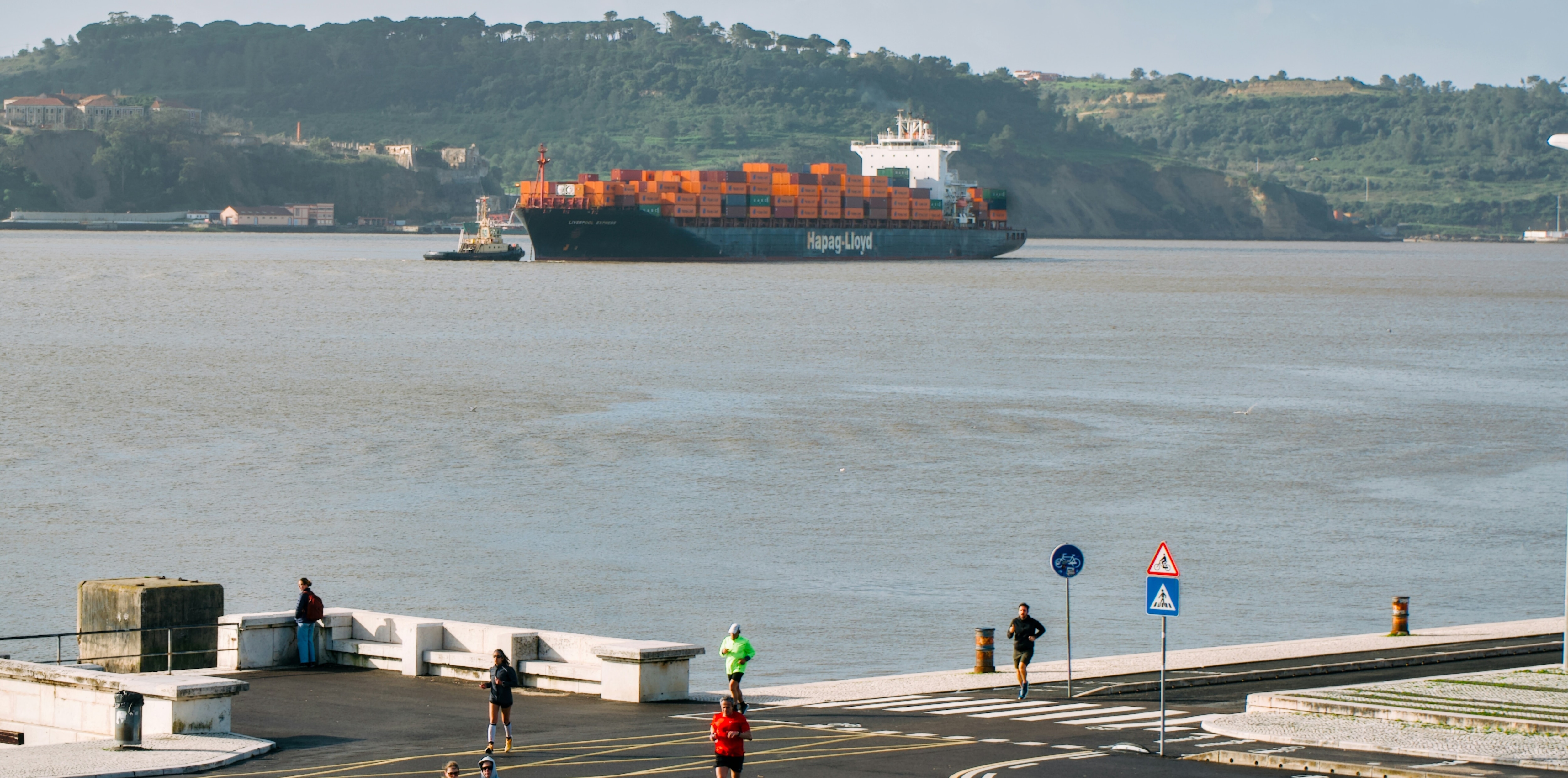
The trade financing gap is rising despite underlying trade being stable Image: Unsplash/Edgar
- Trade-policy volatility can turn viable transactions into financing risks.
- Smaller businesses are particularly exposed with fewer options compared to larger companies.
- Adaptive finance and predictable policy can help close the gap.
Tariffs and trade rules are changing faster than the transactions they govern. For lenders, that creates a specific problem: the terms a transaction was underwritten on can change before it is repaid.
Lenders respond by raising pricing, reducing limits, asking for more security or declining transactions they can no longer assess. The result is that a share of commercially viable trade goes unfunded.
How trade policy uncertainty is increasing
A cross-border transaction can take several months from order to payment, while a business procures or manufacture’s goods, arranges transport, ships goods and waits up to 90 days for payment.
All the while, rules can change with new, higher, suspended or reinstated tariffs, documentation or compliance requirements. The WTO has characterized the recent shifts in trade policy as unprecedented.
UN Trade and Development reports that around 18,000 trade-restricting or trade-distorting measures have been introduced since 2020 and that technical regulations and sanitary standards now affect about two-thirds of world trade.
What is the cost of trade policy uncertainty?
Trade finance is provided before or during a transaction and repaid when the trade completes or the buyer settles the invoice. A lender assesses the risks expected over that period: the financial position of the parties, goods, route and payment cycle.
Three things can go wrong when rules change mid-transaction:
- A tariff increase while goods are in transit reduces the margin available to repay the financing.
- A new compliance requirement delays customs clearance and extends the payment cycle.
- A policy announcement gives the buyer a reason to renegotiate the price, cut the order or pay later.
Lenders price these changes by raising rates, reducing limits, raising security or declining transactions where the risk has become difficult to quantify.
Demand for trade finance doesn’t fall and the transactions still need funding; the share of that demand that gets approved is declining. The finance gap is what remains unapproved.
Who is impacted by rapidly changing policy environment?
Importers, who need more working capital to absorb a higher landed cost, are also impacted – a supplier is asked to extend payment terms, a distributor holds inventory longer, a buyer cuts order sizes because future pricing is uncertain.
Businesses of all sizes are affected but they may not have the same ability to respond. Large, diversified companies can shift sourcing, use multiple suppliers, hedge some exposures and absorb temporary margin pressure.
Smaller and less-diversified businesses have fewer alternatives, so the financing impact reaches them sooner. UN Trade and Development notes that smaller exporters face higher compliance costs as trade regulations tighten.
At Drip Capital, where we provide working capital to small and mid-sized businesses engaged in trade, these are the patterns we monitor in payment and transaction data. A buyer that previously paid in 45 days moves to 55, then 60.
Order sizes on a particular route decline. Importers ask suppliers for longer terms, and exporters need financing across a longer receivables cycle. These are the shifts we look for rather than a measured finding across the market.
Each one has a working-capital consequence. The trade may remain commercially viable but the amount of capital required,and the period it is required for, changes quickly.
What is the trade finance gap?
The Asian Development Bank estimates the global trade finance gap remained at $2.5 trillion in 2025, about 10% of global trade, down from 10.6%. It also found that 80% of surveyed banks expect demand for trade finance to rise as companies diversify markets and reorganize supply chains.
Notably, the gap has been stable rather than widening and global trade has grown: the World Trade Organization (WTO) reports merchandise trade volumes rose 4.6% in 2025, above forecast, partly because the impact of new tariffs was smaller than expected.
While trade has not contracted, when lenders become more cautious while businesses need more working capital for longer, viable transactions go unfunded even in a growing market.
Most business financing is still structured around periodic credit reviews. A lender studies historical accounts, sets a facility and revisits it in six or 12 months. That works when operating conditions are broadly stable.
It works less well when tariffs, compliance requirements and buyer behaviour change several times in a year. A limit set on last year's accounts may not reflect the risk on a shipment today.
The lender may then keep financing on information that is no longer current or cut a company's entire facility because one route or one product has become harder to assess.
How do we reduce the trade financing gap?
To reduce the finance gap, two things must change.
1. Transaction-level assessment
Financing linked to individual transactions can be reassessed more quickly. For each shipment, the lender can look at the buyer, the supplier, the product, the route, the payment terms, the tariffs currently in force and recent payment behaviour.
That makes it possible to separate transactions that remain viable from those where risk has materially increased. A change affecting one market does not require the lender to reduce support for the rest of the business.
This does not remove policy risk. It means the risk is assessed on current information rather than on an annual view.
2. Advance notice of policy changes
Lenders can improve how they assess risk but they cannot remove the uncertainty created by sudden policy changes. Governments have a role here.
Tariff and trade-rule changes are easier to price when they are announced with reasonable notice, introduced on a clear schedule and applied without retrospective effect. This does not require policy to stay fixed but implementation must account for the cross-border transactions already in motion when rules change.
Advance notice lets businesses adjust pricing, sourcing and shipping decisions. It lets lenders assess a transaction against the rules likely to apply when the goods arrive. WTO Director-General Ngozi Okonjo-Iweala has relatedly said that members can ease the economic burden on people worldwide by maintaining predictable trade policies and strengthening supply chain resilience.
While neither reform will remove uncertainty from global trade, together they would reduce the number of viable transactions that become too expensive to finance or cannot get financed at all.
For a business trading across borders, access to capital at the right point in a transaction determines whether it accepts an order, buys inventory, pays a supplier or enters a new market.
The objective is not simply more credit. It is credit assessed at the transaction level, so that a policy change on one route does not withdraw financing from the whole business.
Don't miss any update on this topic
Create a free account and access your personalized content collection with our latest publications and analyses.
License and Republishing
World Economic Forum articles may be republished in accordance with the Creative Commons Attribution-NonCommercial-NoDerivatives 4.0 International Public License, and in accordance with our Terms of Use.
The views expressed in this article are those of the author alone and not the World Economic Forum.
Stay up to date:
Trade and Investment


Forum Stories newsletter
Bringing you weekly curated insights and analysis on the global issues that matter.
More on Trade and InvestmentSee all

Derek Baraldi, Priyanka Ramchurn and Anastasiia Rudkovska
September 22, 2026