Why Latin America’s power system investment challenge is about more than capital
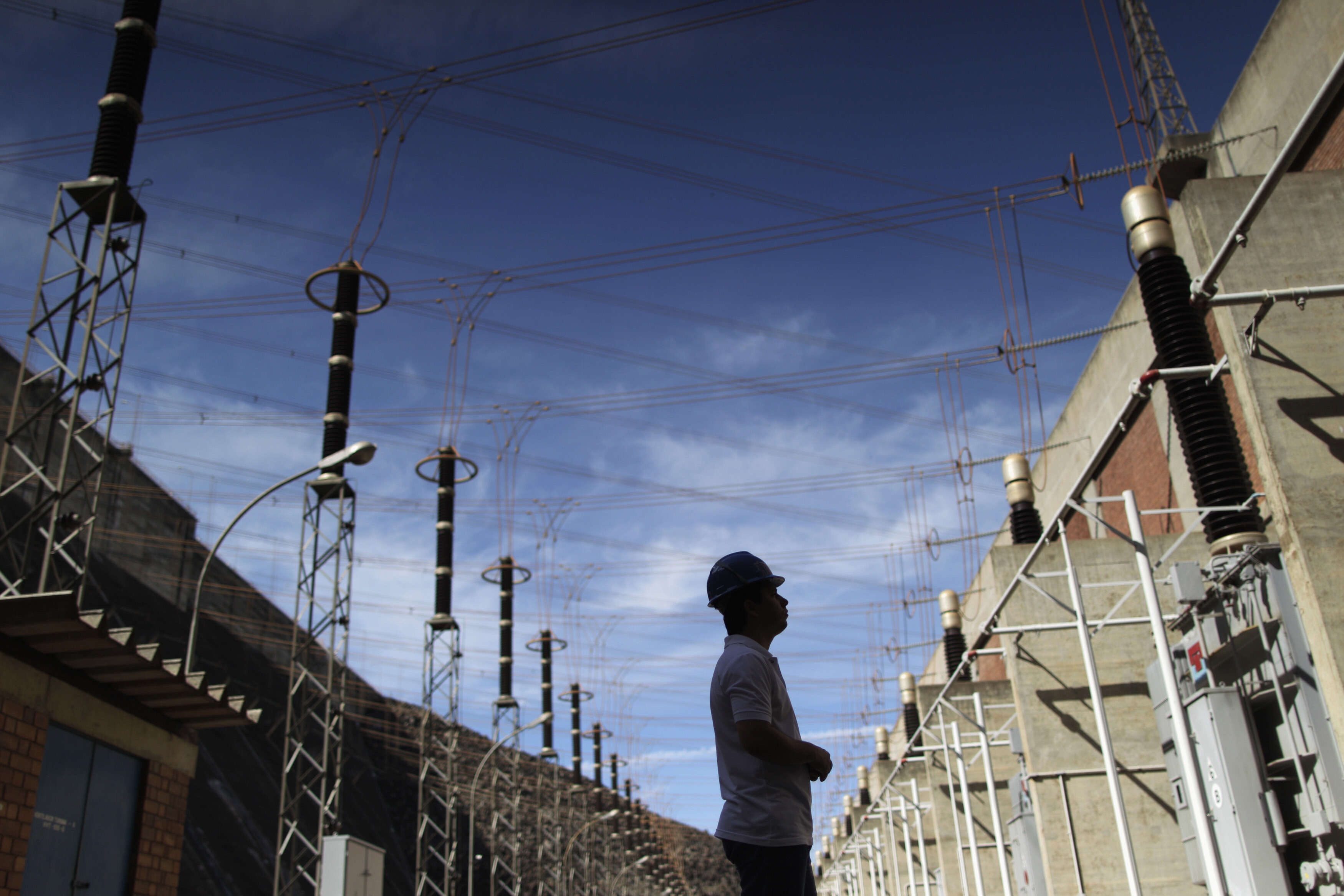
Capital availability is only part of the challenge for Latin America’s power systems. Image: REUTERS/Ueslei Marcelino
- Latin America’s power systems need significantly more investment, but capital availability is only part of the challenge.
- Investment accelerates when regulatory and policy frameworks make system needs visible, provide workable remuneration, make risks and returns predictable, and support credible delivery.
- Strengthening these conditions can help mobilize capital for grids, storage and other enabling infrastructure, and support more affordable, resilient and growth-enabling power systems.
Latin America has many of the necessary ingredients for a major expansion of clean electricity: abundant renewable resources, growing demand, and significant investment opportunities. Yet, the region’s power systems are also showing signs of strain, as investment in the infrastructure needed to integrate new generation is not keeping pace.
The numbers illustrate the challenge.
Clean-energy investment in Latin America and the Caribbean reached about $70 billion in 2025, according to analysis by the International Energy Agency (IEA) and the Latin American Energy Organization (OLADE). Under the IEA’s Announced Pledges Scenario, that figure would need to exceed $200 billion by 2035.
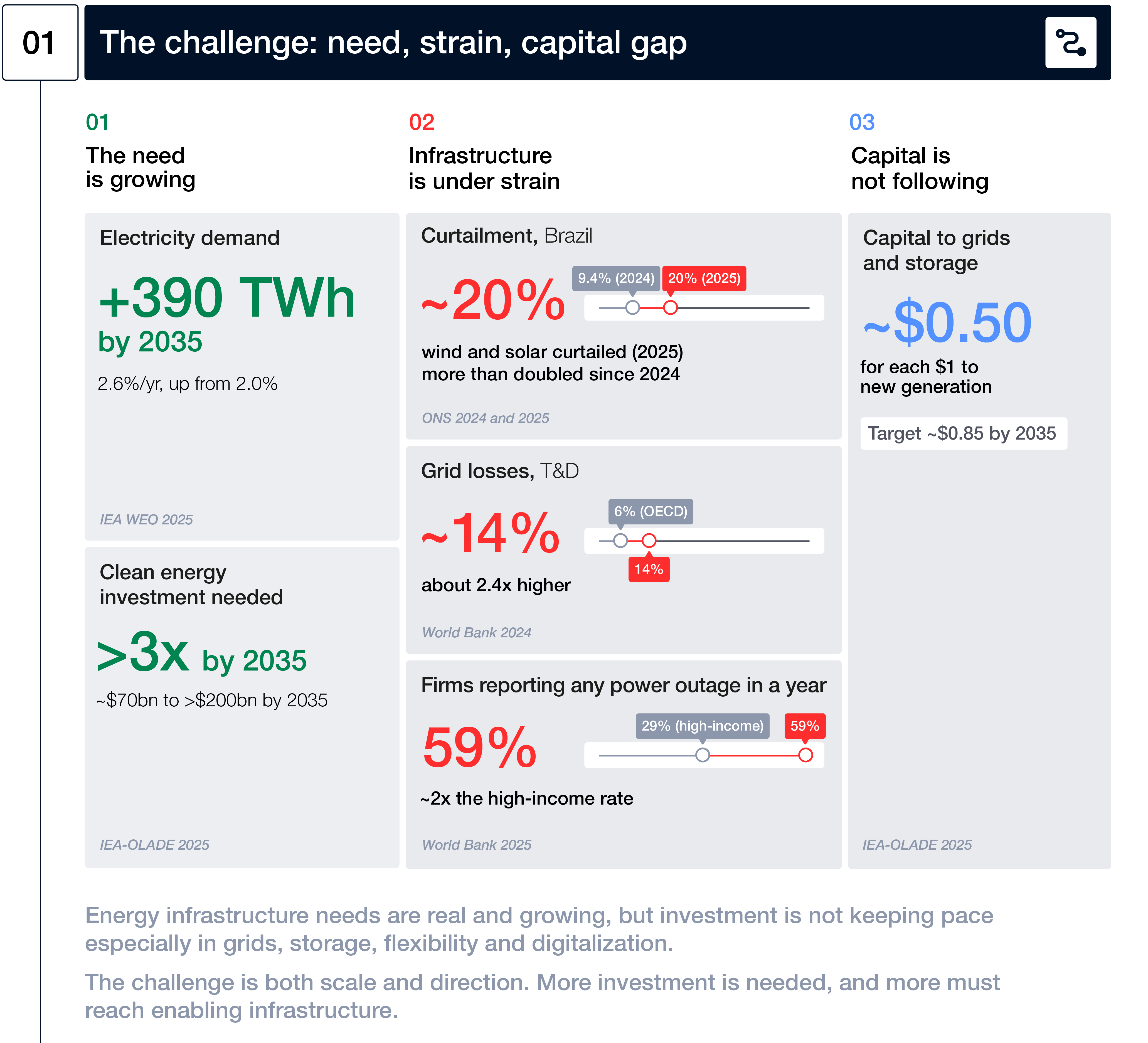
The imbalance within the power system is equally important. Currently, less than $0.50 is invested in grids and storage for every dollar invested in new generation. By 2035, that ratio needs to rise to around $0.85.
However, translating those system needs into projects investors can assess, finance and deliver is a harder problem to solve.
4 questions determine whether a project becomes investable
A transmission line, storage facility or distribution upgrade may be essential from a system perspective but that does not make it investable. Investors commit capital project by project, and four basic questions tend to shape that decision.
1. Is there a credible plan?
Investors need visibility on where demand is growing, where networks must expand and how the generation mix is expected to evolve. Stable national energy plans and consistent system planning reduce the risk that an asset is developed against an uncertain future need.
2. Is the investment remunerated?
The first issue is scale. As investment needs rise sharply, investors need confidence that much larger volumes of conventional investment, such as network expansion and reinforcement, will be recognized fully and without long regulatory delays.
The second is scope. Infrastructure increasingly provides value that traditional frameworks were not designed to price, including flexibility, resilience and digital capabilities. If remuneration does not reflect that value, socially useful assets can remain unattractive to investors.
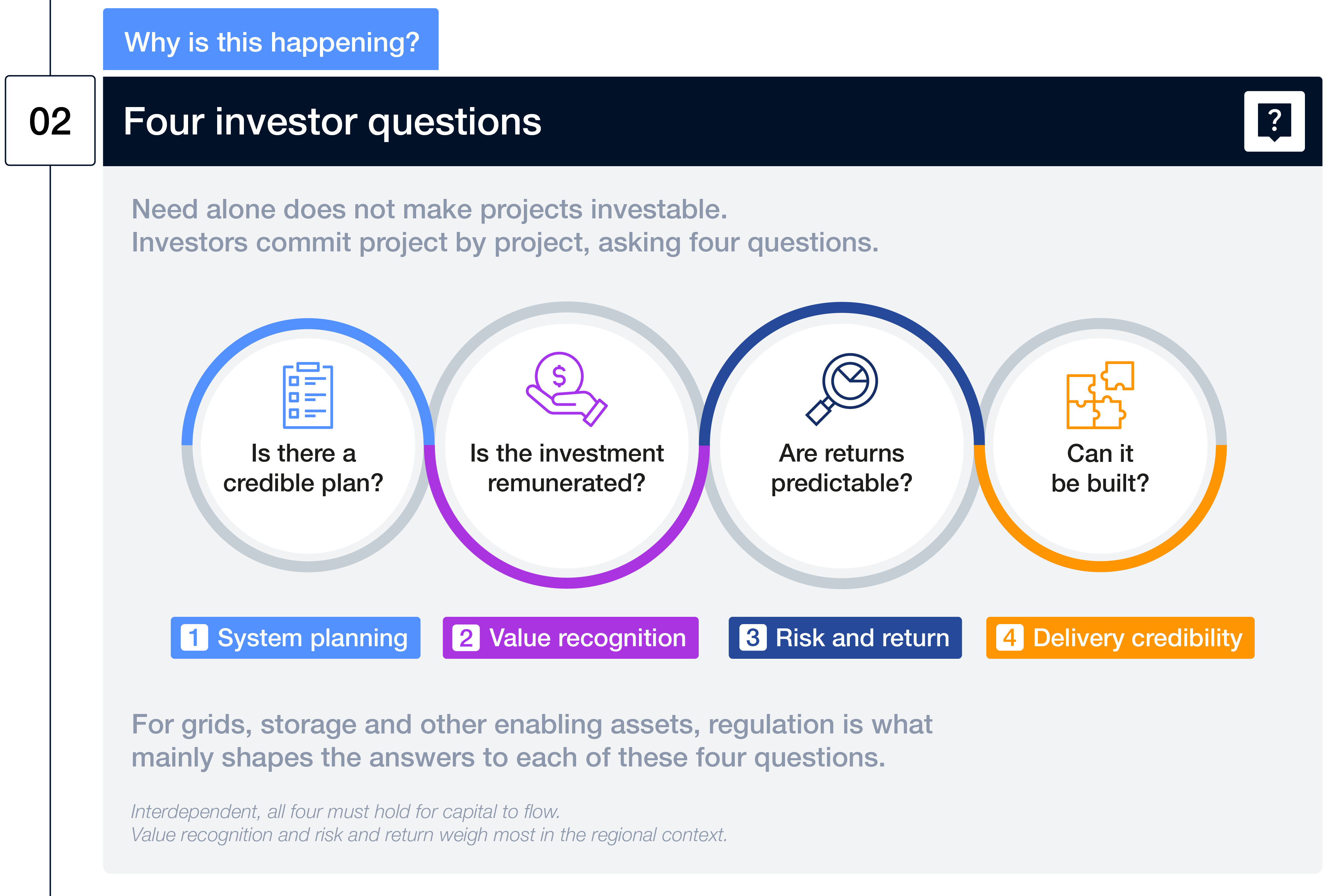
3. Are returns predictable?
Predictability depends on how risk is allocated over the lifetime of long-lived infrastructure. Tariff stability, return methodologies and the treatment of regulatory change all influence the cost of capital; even changes pursuing legitimate policy objectives can raise perceived risk when investors cannot anticipate how costs and benefits will be allocated.
Investors also look at how frameworks handle cost recovery after extraordinary events, including increasingly frequent climate-related disruptions and how regulated assets are valued at the end of a concession.
4. Can it actually be built?
Permitting, land access, grid connections, and coordination across institutions can turn a theoretically bankable project into one delayed for years.
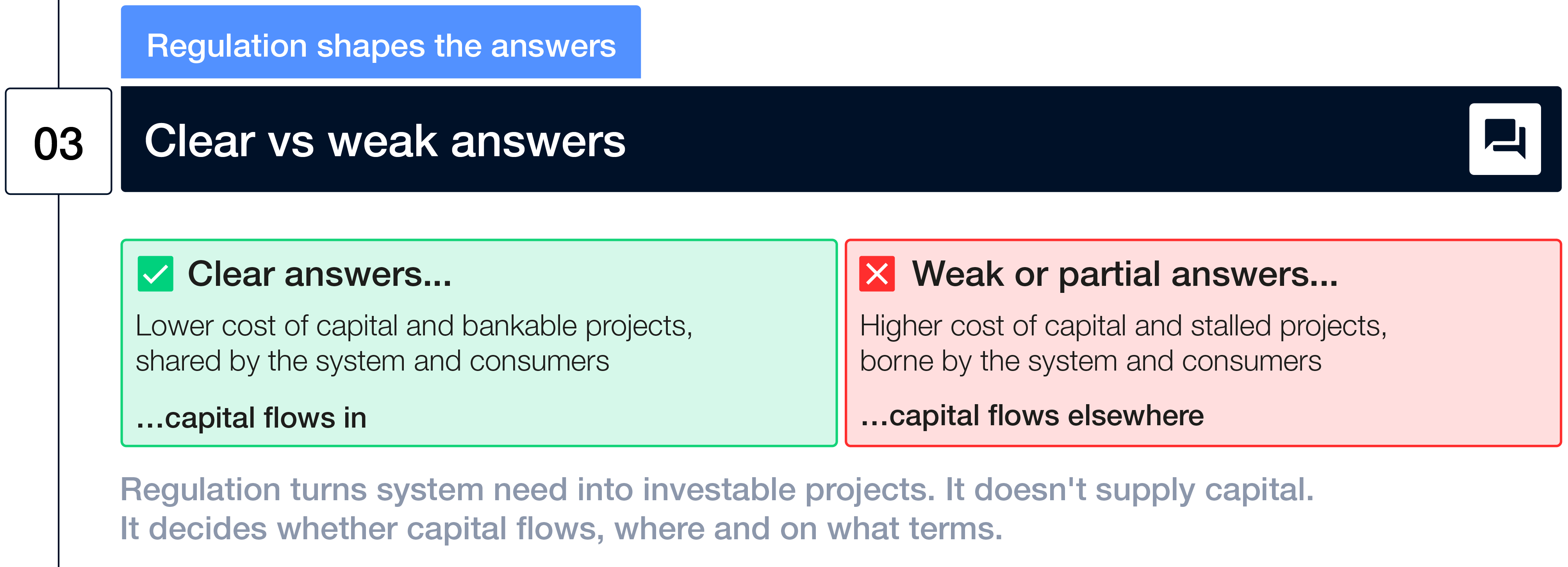
Regulation shapes the answers but there is no universal checklist
Regulation shapes the conditions under which capital can move. That is, whether projects can be assessed, priced and executed and on what terms. Financial instruments such as guarantees, insurance or concessional capital can help manage residual risks, but they cannot compensate for unresolved questions of need, remuneration or delivery.
This distinction matters as power systems become more complex. Brazil provides a visible example. The country’s system operator, ONS, now describes renewable curtailment as a structural operational challenge, driven increasingly by periods when variable renewable output exceeds the system’s ability to absorb it.
Adding generation alone is therefore not enough. Grids, flexibility, demand and regulatory arrangements need to evolve together.
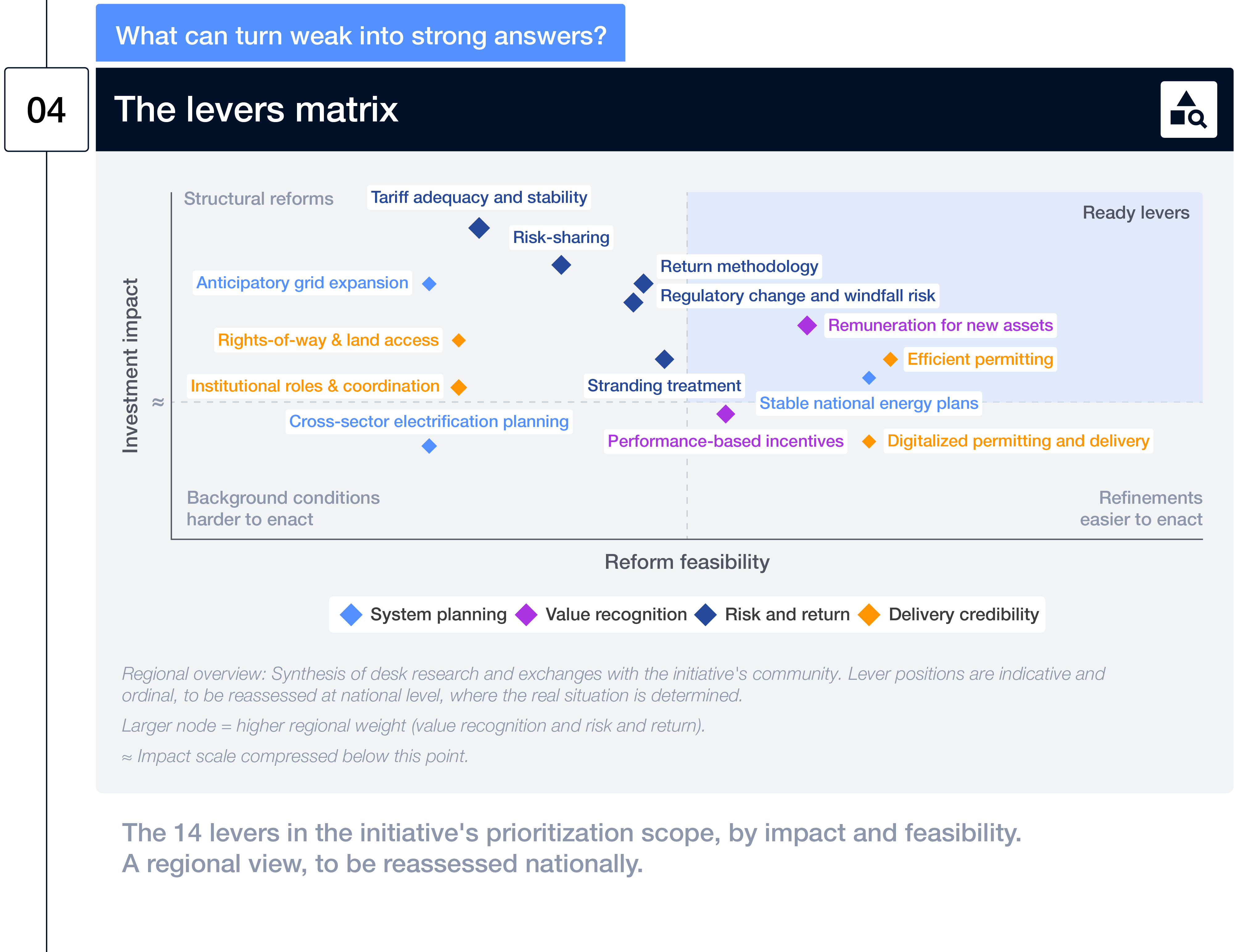
A framework developed in coordination with power sector stakeholders in the region groups possible regulatory interventions around the four investor questions. These range from anticipatory grid expansion and tariff adequacy, to risk-sharing mechanisms, remuneration for new assets, efficient permitting and clearer institutional coordination.
National power systems differ substantially in market design, institutional capacity, resource mix and political economy, so the same reform sequence will not work everywhere. The framework is instead diagnostic: identify where investors are receiving weak or incomplete answers, then assess which regulatory levers could have the greatest investment impact and are realistically feasible to move.
Some measures may be relatively easy to implement but only incrementally improve investment conditions. Others may be structurally important but require legislation, institutional reform or difficult political choices. Regulatory readiness, therefore, depends not on the number of reforms adopted, but on whether the most consequential bottlenecks are being addressed in a credible sequence.
Investability is a means, not the end
Investability matters because it helps turn system needs into delivered infrastructure; power-system reform should still be judged by broader public outcomes, not investor preferences alone.
Those public outcomes include stronger grids, greater flexibility, more reliable supply and the capacity to connect new sources of generation and demand. They shape electricity affordability, system resilience and the ability of economies to support industrial expansion, electrification and digital growth.
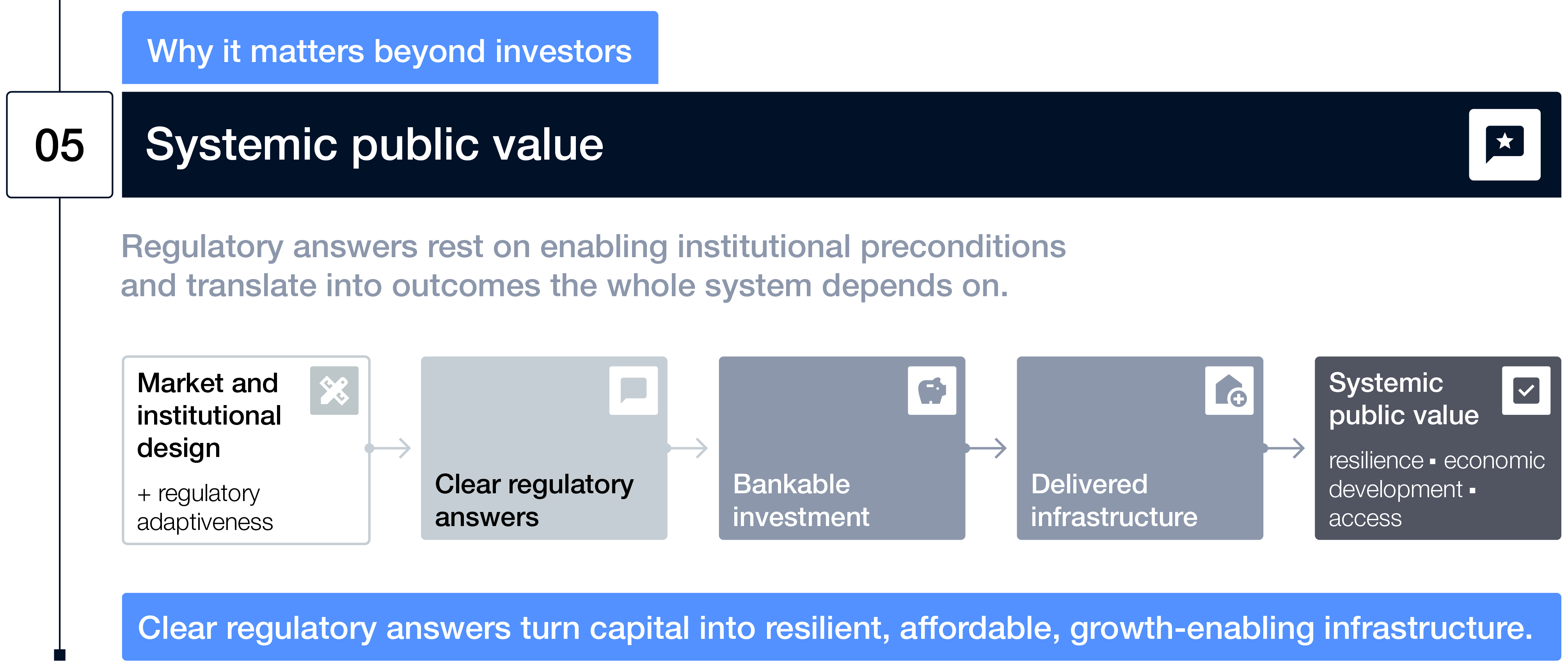
This is why the debate on power system investment needs to move beyond the simple question of “How do we mobilize more capital?” towards a more operational one: “What prevents necessary infrastructure from becoming investable and deliverable?”
For policymakers and regulators, this means treating the investment journey as a system. Planning, remuneration, and delivery must reinforce one another: a credible plan is of little value if investments cannot recover their costs. Meanwhile, attractive returns will not mobilize projects facing persistent permitting or execution barriers.
Latin America’s power system transformation will require more investment. The priority now is to make regulatory conditions robust enough for capital to reach necessary infrastructure on viable terms, and on a timetable consistent with system needs.
Don't miss any update on this topic
Create a free account and access your personalized content collection with our latest publications and analyses.
License and Republishing
World Economic Forum articles may be republished in accordance with the Creative Commons Attribution-NonCommercial-NoDerivatives 4.0 International Public License, and in accordance with our Terms of Use.
The views expressed in this article are those of the author alone and not the World Economic Forum.
Stay up to date:
Latin America
Related topics:


Forum Stories newsletter
Bringing you weekly curated insights and analysis on the global issues that matter.
More on Energy TransitionSee all

Prajeev Rasiah
September 23, 2026


