More than 20% of the ocean has darkened, shrinking the vital photic zone and threatening marine life, oxygen production, and the fight against climate change.
Over the past 20 years, more than 20% of the world’s ocean has grown darker. This trend is shrinking the photic zone—the sunlit layer that supports nearly all marine life.
Why the photic zone matters
Stretching about 200 metres deep, the photic zone is home to 90% of marine species. It’s also where phytoplankton, tiny organisms vital to life on Earth, convert sunlight and CO2 into energy, producing nearly half the planet’s oxygen and absorbing vast amounts of carbon emissions.
What’s driving ocean darkening?
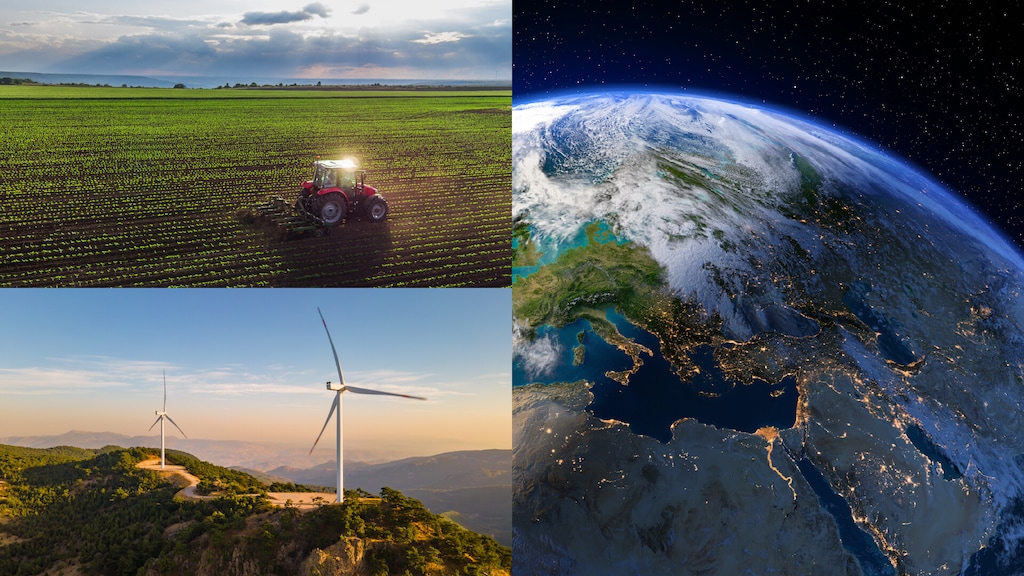
Near coastlines, the culprits include sediment runoff from agriculture, deforestation, and development. In the open ocean, climate-driven algal blooms and rising temperatures are key contributors. While 10% of the ocean has become lighter since 2003, twice as much has darkened.
The growing darkness in our oceans poses a serious threat to global biodiversity, food security, and climate regulation. Friends of Ocean Action is a global network working to place ocean health at the centre of environmental action.