Beyond the ribbon: Making strides in reducing breast cancer deaths globally
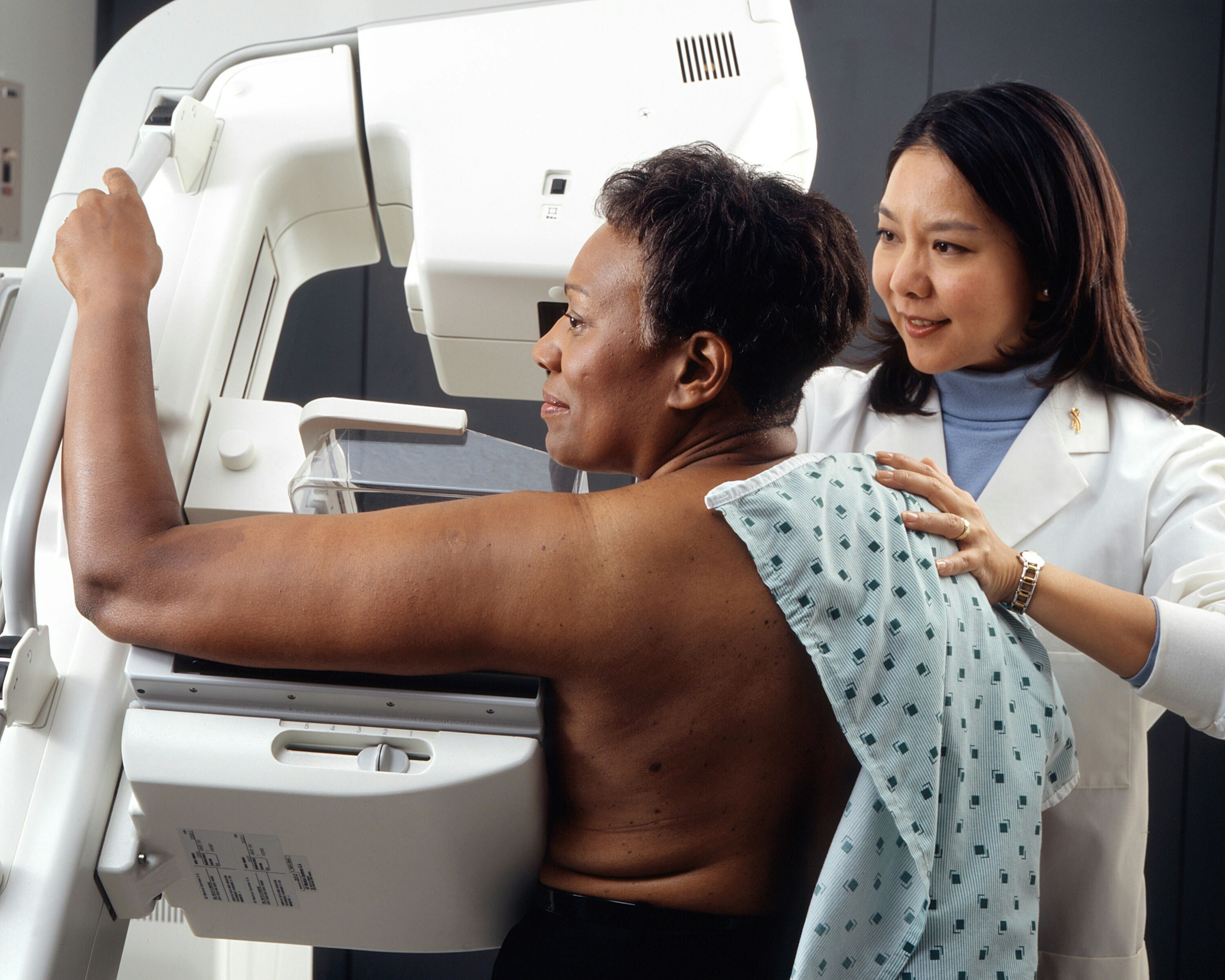
Improved screening can help improve the outcomes for breast cancer. Image: Photo by National Cancer Institute on Unsplash
- Breast Cancer Awareness Month winds down, it is vital to acknowledge the growing global impact of breast cancer as an urgent global health concern.
- Progress made in breast cancer care can improve the health and lives of millions.
- Through innovation, a commitment to equity and collective action, we can move towards a future where breast cancer is no longer a leading cause of death in women.
Women are dying at an increasing rate from breast cancer, which continues to be one of the most common cancers worldwide and the leading cause of cancer death among women. As we mark Breast Cancer Awareness Month, it is vital to acknowledge the growing global impact of breast cancer as an urgent global health concern. The World Health Organization (WHO) estimates that if current trends continue, there will be 3.2 million new breast cancer cases and more than one million deaths by 2050.
Despite advances in science and screening, there is so much more that governments, healthcare systems and providers can do to ensure more women get access to timely detection, diagnosis and the treatment they deserve.
Not only would progress made in breast cancer care improve the health and lives of millions of women, but investment in women’s health is also an investment in economies and societies around the world.
Every dollar invested in women’s health has a threefold return for economic growth. Breast cancer is a significant part of a broader women’s health gap, meaning breast cancer contributes greatly to the amount of time women spend in poor health and with degrees of disability compared to men. Closing that gap could boost the global economy by $1 trillion annually by 2040, according to McKinsey & Company and the World Economic Forum.
How the Forum helps leaders strengthen health systems through collaboration
Countries are falling short of global targets and health disparities persist
Recognizing the significant impact of breast cancer, the WHO set up the Global Breast Cancer Initiative (GBCI) to address the growing burden. The GBCI set a goal to cut breast cancer deaths by 2.5% per year, which the WHO estimates could lead to 2.5 million lives saved by 2040. Yet, most of the world is falling short of these critical targets and only seven countries have achieved or are on track to achieve the GBCI goal.
Even among the world’s largest economies, including those with national cancer control plans, significant gaps persist between policy and implementation, from limited screening programmes to delayed diagnoses and inadequate access to treatment. The impact is further exacerbated in lower- and middle-income countries and in underserved populations in high-income countries, like those living in rural settings.
Where an individual lives and their socioeconomic background profoundly influence their chances of early diagnosis and quality care. Access to essential cancer-related health services — screening, accurate diagnosis, surgery, radiotherapy, medicines and supportive care — varies dramatically between and within nations. This creates a reality where many groups are systematically left behind, denied the patient-centric care necessary to achieve the best possible outcomes, including quality of life. Until these disparities are addressed, the global community will continue to fall short of its responsibility to reduce breast cancer mortality for all.
Opportunity for progress across the breast cancer patient journey
The WHO GBCI framework outlines clear strategies and goals across the three pillars of the breast cancer patient journey.
These are: health promotion for early detection (with the goal of more than 60% of invasive cancers diagnosed at stage 1 or 2); timely and accurate diagnosis (with a goal of diagnostic evaluation, imaging and tissue sampling and pathology within 60 days); and comprehensive breast cancer management (with a goal of more than 80% of patients who undergo multimodality treatment without abandonment). A fourth area focused on creating strong, resilient healthcare systems is also essential to meet the growing breast cancer burden, while ensuring quality, equity and patient-centred care across the healthcare continuum.
Breast cancer should be a public health priority and include initiatives that are known to have immediate and significant benefits for patients across these key moments. For instance, we can:
Improve access to screening and promote early detection through building local capacity and investing in diagnostic infrastructure. Bring care directly to community settings, thus reducing the burden of long-distance travel. Integrate breast cancer screening and early detection into community health programmes, primary-care settings or even via mobile clinics in underserved areas.
Establish enhanced patient navigation services to improve care coordination, reduce barriers to access and ensure adherence to treatment. Health systems are often fragmented and siloed, leading to delayed or misdirected referrals and slowing access to the right diagnostic and treatment interventions. Patient navigators can provide essential support to individuals diagnosed with breast cancer, connecting them to resources and information and guiding them through the complexities of the healthcare system.
Embrace multi-stakeholder collaboration. Effective breast cancer policy implementation requires collaborative, cross-sector, whole-of-government effort tied to overall policy goals with consistent and adequate resources, accountability and measurement against clear objectives. Partnering closely with patients and patient advocacy groups will lead to more patient-centric and impact-driven policy reform as well.
One ongoing multistakeholder effort in Kenya led by The Global Alliance for Women’s Health that is driving impact is the Afya Dada Project. This is a country-led and community-powered model that is building a resilient, people-first system for cancer care. This project, which is supported by Xenco Medical, MD Anderson Texas Cancer Centre and Siemens Healthineers, is establishing a sustainable, scaleable model beginning in Kenya’s Machakos and Uasin Gishu counties with a plan to scale and replicate the project in other high-burden regions. The project focuses on four transformative areas:
- Strengthening the healthcare workforce through modern training and mentorship.
- Improving screening and diagnosis to catch cancer early.
- Increasing community awareness and demand for services.
- Improving referral pathways so no woman is left behind.
Support consistent data collection to identify gaps, prioritise investments and track progress. What you cannot measure, you cannot improve. Effective cancer control plans must be well-funded, data-driven and supported by strong partnerships across sectors. Enshrining changes into systems via policy instruments, like legislation, regular reporting and consistent funding tied to other objectives such as reducing disparities in care delivery will ensure ongoing support and drive long-term system-wide improvements in breast cancer care.
A practical tool to help reach global targets at the country level
Now, a new tool, the Breast Cancer Care Quality Index (BCCQI), offers a path forward. Developed by an international team of clinicians, policymakers and advocates, the BCCQI was created to help governments translate the WHO GBCI global targets and other global and regional frameworks into local country and community action. This will promote equitable, evidence-based care and improved outcomes for all breast cancer patients, irrespective of where they live.
The BCCQI was developed as a practical tool for countries to easily identify critical gaps and areas of greatest return when it comes to breast cancer care and patient outcomes. Importantly, it serves as a catalyst of engagement for the international community and multi-sectoral stakeholders, including policymakers.
Countries can begin with pilot programmes to test feasibility, refine processes and assess scaleability before wider adoption. Phased implementation allows countries to progress at their own pace, avoiding a strain on health systems, while advancing towards the shared goal of high-quality, equitable breast cancer services worldwide.
A future free of breast cancer as a leading cause of death in women
Moving beyond the ribbon means taking concrete steps to overcome barriers and harness opportunities. Consistent, measured prioritization of women’s health, with breast cancer as a first step, can be a pathway to improve public health and thus create a more favourable environment to achieve policy goals by facilitating women’s full participation in societies and economies.
Through innovation, collaboration, a commitment to equity and collective action, the global community can help ensure that every breast cancer patient receives the highest standard of care as we move towards a future where breast cancer is no longer a leading cause of death in women.
Don't miss any update on this topic
Create a free account and access your personalized content collection with our latest publications and analyses.
License and Republishing
World Economic Forum articles may be republished in accordance with the Creative Commons Attribution-NonCommercial-NoDerivatives 4.0 International Public License, and in accordance with our Terms of Use.
The views expressed in this article are those of the author alone and not the World Economic Forum.
Stay up to date:
Global Health


Forum Stories newsletter
Bringing you weekly curated insights and analysis on the global issues that matter.
More on Health and Healthcare SystemsSee all

Michael Byczkowski and Andy Moose
September 18, 2026