How the Earth BioGenome Project is building a digital library of life
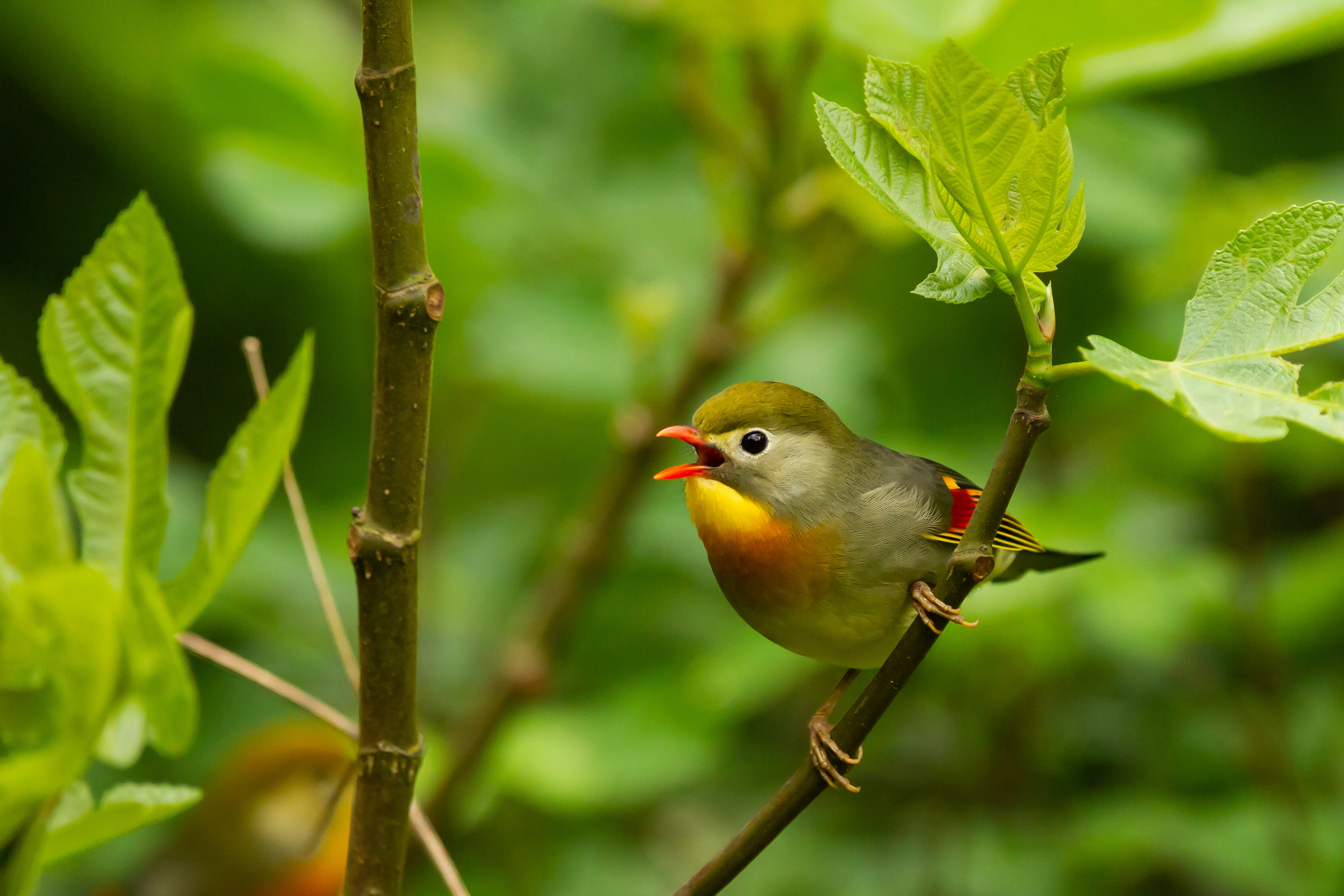
Only about 1% of the DNA of all animals, plants, fungi and protists has been sequenced. Image: wirestock/Freepik
- Biodiversity loss is accelerating with significant potential ramifications for food security, human health and economic stability across the world.
- Only about 1% of the DNA of all known animals, plants, fungi and protists has been sequenced, leading to a knowledge gap about how species adapt.
- The Earth BioGenome Project aims to address this knowledge gap and help enable advances in conservation, agriculture, medicine and biotechnology.
Biodiversity loss is accelerating at a pace not seen in human history. Thousands of species are being pushed towards extinction, threatening ecosystems that sustain food security, human health and economic stability.
Despite the urgency, scientists have sequenced the DNA of only about 1% of known animals, plants, fungi and protists – collectively known as eukaryotes. This knowledge gap limits our ability to understand how species adapt, how ecosystems function and how genetic diversity underpins resilience in the face of change.
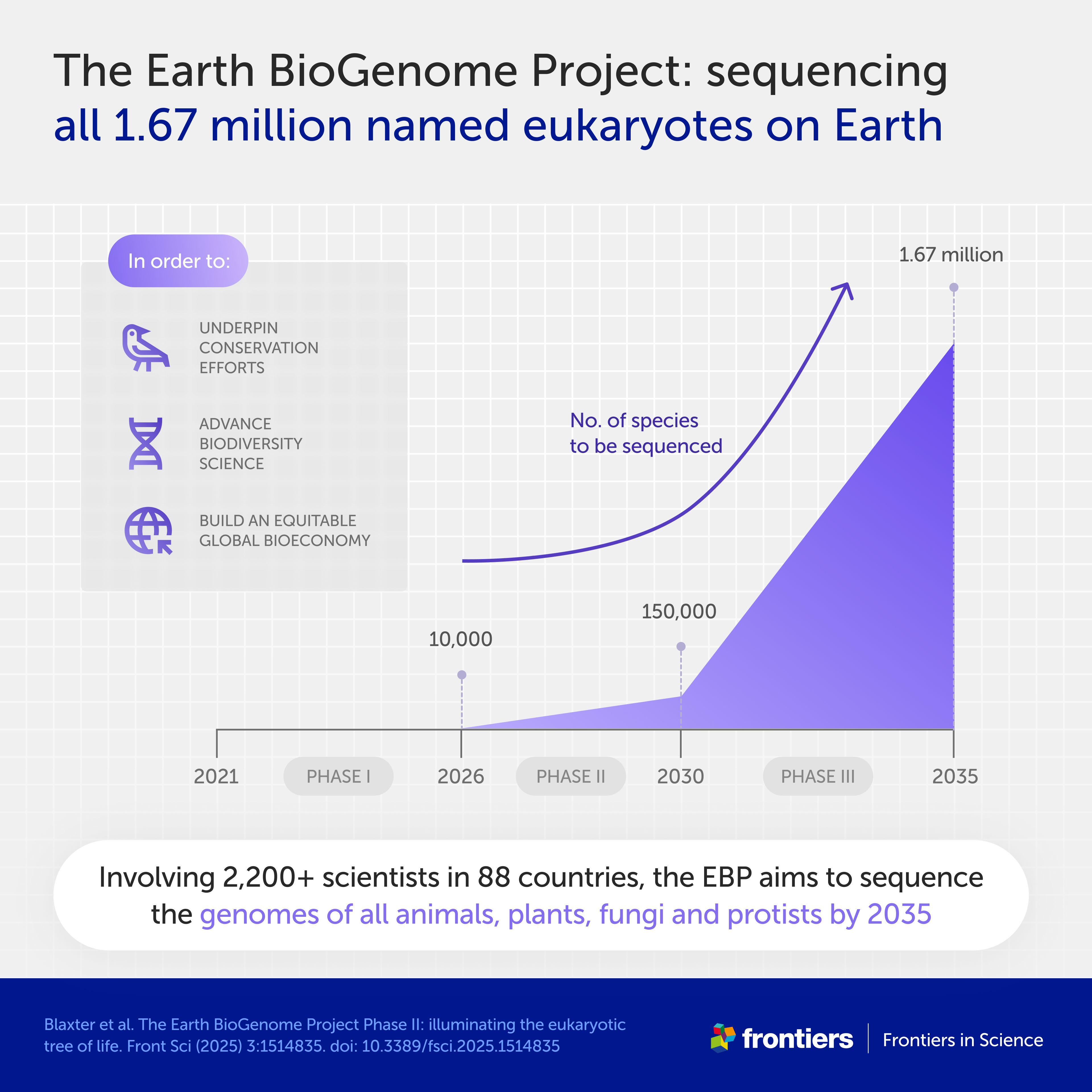
The Earth BioGenome Project (EBP) is a biological “moonshot” designed to close that gap over the next decade by generating high-quality “reference” genomes for all named eukaryotic species on Earth – a figure estimated at 1.67 million earlier this year.
As outlined in our 2025 Frontiers in Science article, this comprehensive digital library of life will enable advances in conservation, agriculture, medicine, and biotechnology.
Building the foundations
During its start-up in 2018 and Phase I, the Earth BioGenome Project established standards, developed ethical frameworks and coordinated data-sharing systems to ensure open and equitable access.
The project has grown into a global collaboration of more than 2,200 scientists in 88 countries – a network that includes national sequencing efforts, regional consortia and projects focused on particular groups of species. What was once the work of small, isolated sequencing projects is now becoming a global, scalable and inclusive enterprise.
Currently, the EBP has amassed more than 4,300 high-quality genomes, covering more than 500 eukaryotic families. Examples from early results include insights into the evolution of chromosomes in butterflies and moths, as well as the adaptation of Arctic reindeer to extreme environments.
The work has also helped to improve the tools of biodiversity science, such as environmental DNA (eDNA) methods that detect species from the genetic traces they leave behind.
Sequencing at scale in Phase II
As global biodiversity loss continues to pick up speed, we are compelled to move faster. The Earth BioGenome Project is now entering Phase II, which will run through 2030.
The ambition is to collect 300,000 samples and sequence 150,000 species within four years. That requires producing 3,000 reference-quality genomes each month – more than 10 times the current rate.
To meet this challenge, the project is guided by three pillars:
- Adaptive sampling: prioritizing species vital to ecosystem health, food security, disease control, conservation, and Indigenous and local communities
- Highest genome quality: ensuring that as many genomes as possible meet rigorous reference standards
- Equitable global partnerships: much of the world’s biodiversity lies in the Global South, and a significant share of sequencing, annotation and analysis will be led by partners in those regions
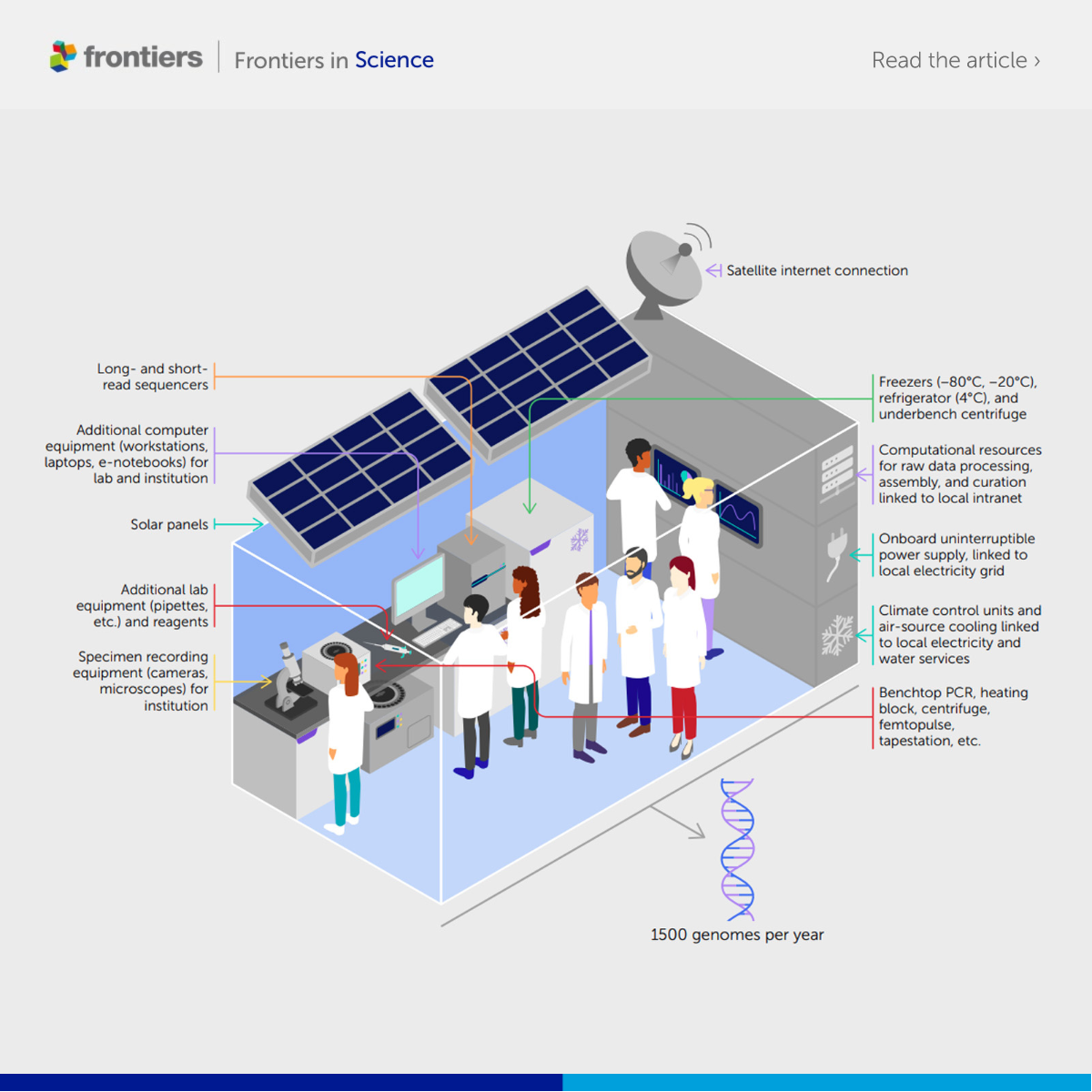
Innovations are central to the plan. One proposal is the deployment of “genome labs in a box” (gBoxes) – portable, self-contained sequencing facilities housed in shipping containers. These gBoxes would enable local and Indigenous scientists to generate high-quality genomic data in context, avoiding the need to export samples and helping to build sustainable local capacity.
Obstacles facing the Earth BioGenome Project
The scale of Phase II of the Earth BioGenome Project presents formidable hurdles. Collecting and processing 300,000 species is a logistical challenge that depends on broad international cooperation and adherence to ethical and legal standards.
Sequencing technology must continue to become faster, cheaper and more automated to keep pace. Annotation – assigning biological meaning to DNA sequences – is particularly time consuming and will require new computational approaches.
The enormous computing power required for this large-scale effort comes with a heavy energy cost. To reduce its environmental footprint, the EBP includes plans to standardize workflows, adopt cloud platforms and promote a “compute once, reuse many” principle for analysis.
Ensuring equity poses another major challenge. The Earth BioGenome Project is committed to the principles of fair access and benefit-sharing laid out under the Nagoya Protocol and the Kunming-Montreal Global Biodiversity Framework. Indigenous peoples and local communities, who steward much of the planet’s biodiversity, are active partners in shaping priorities and managing data.
Sequencing at the scale of Phase II and beyond might seem prohibitively expensive, but technological advances have driven costs down dramatically. The first genomes produced under Phase I cost about $28,000 each, on average. In Phase II, the target is around $6,100 per genome.
The total estimated cost of the Earth BioGenome Project is $4.42 billion over 10 years, including a proposed $0.5 billion Foundational Impact Fund dedicated to training, infrastructure and applied research in the Global South.
For comparison, the Human Genome Project cost $6 billion in today’s dollars, while the James Webb Space Telescope required more than $11–12 billion. Thus, as a global initiative with lasting benefits, the EBP represents extraordinary value for investment.
Building a digital ‘genome ark’ for the Earth
If successful, the Earth BioGenome Project will generate an unprecedented genomic library. Initial outputs are already reshaping knowledge of evolution, ecosystem function and biodiversity, laying the foundation for conservation strategies, agricultural innovation and biotechnological discoveries.
Advances will strengthen the ability of societies to respond to emerging diseases and adapt to climate change. Crucially, the project’s inclusive structure is designed to ensure that these benefits are shared equitably.
How the Forum helps leaders align climate action with nature-positive growth
By investing in local capacity and prioritizing species of ecological and cultural importance, the Earth BioGenome Project aims to build a truly global bioeconomy rooted in biodiversity knowledge.
Genomic information generated through the project can empower local solutions, bolster global resilience and open pathways to more sustainable development. In the decades ahead, the EBP will serve as a “genome ark”, helping to ensure that the biological foundations of our planet are understood, preserved and available to all.
Don't miss any update on this topic
Create a free account and access your personalized content collection with our latest publications and analyses.
License and Republishing
World Economic Forum articles may be republished in accordance with the Creative Commons Attribution-NonCommercial-NoDerivatives 4.0 International Public License, and in accordance with our Terms of Use.
The views expressed in this article are those of the author alone and not the World Economic Forum.
Stay up to date:
Nature-Based Solutions

Forum Stories newsletter
Bringing you weekly curated insights and analysis on the global issues that matter.
More on Nature and BiodiversitySee all

Julia Strong and Susan Cook-Patton
September 28, 2026


