The future of ocean conservation lies in community leadership backed by science and philanthropy
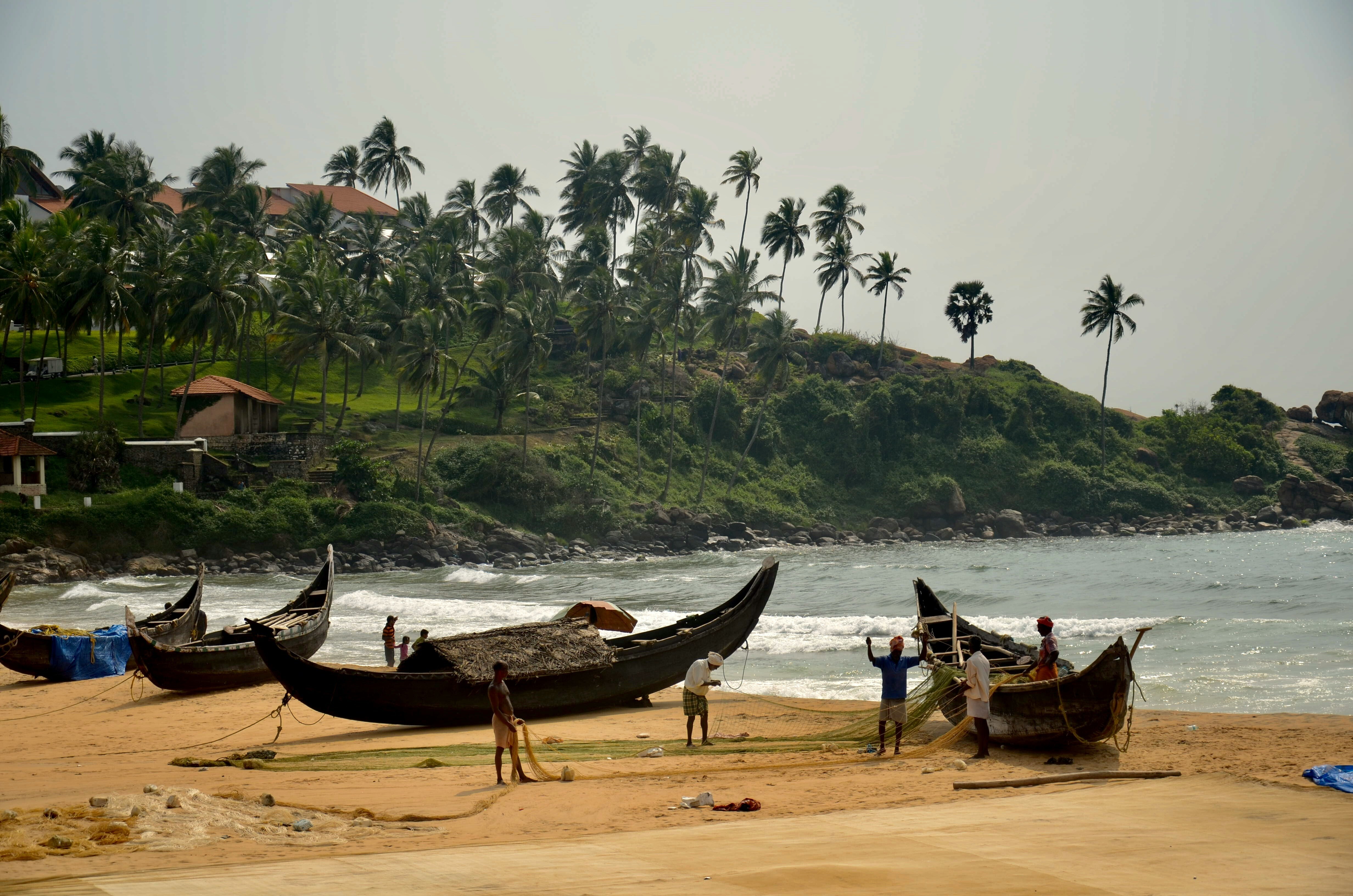
Ensuring long-term ocean conservation is a collaborative effort Image: Photo by Kamal Preet Kaur on Unsplash
Ana Spalding
Director, Adrienne Arsht Community-Based Resilience Solutions Initiative, Smithsonian Tropical Research Institution, Smithsonian Institution- 30% of the ocean should be protected by 2030.
- But, will this translate into effective and lasting ecological and social outcomes?
- Science and philanthropy are powerful forces in ocean conservation, but their impact depends on whose knowledge, priorities and leadership they centre.
As the global community accelerates efforts towards the 30x30 target — protecting 30% of the ocean by 2030, as agreed under the Convention of Biological Diversity — marine conservation has entered a decisive phase. Governments are expanding ocean protection, multilateral agreements are advancing (e.g., the UN’s Biodiversity Beyond National Jurisdiction (BBNJ) Agreement) and financial commitments are growing (e.g., $9.1 billion in new financial commitments were secured at the 10th Our Ocean Conference). Yet, as the 2030 deadline looms, an urgent question remains: will this translate into effective and lasting ecological and social outcomes?
Evidence suggests that success will depend on how much of the ocean is protected and on who is involved and how protection is designed, implemented and governed. Drawing on experiences in social science research and philanthropy across two regions of the global tropics — Latin America and Southeast Asia — we believe that achieving effective and durable outcomes for people and the ocean requires a shift towards centring Indigenous and local community leadership.
Ocean conservation through a tropical majority lens
The majority of the world’s ocean-dependent people live in low- and middle-income countries across tropical regions, what is known as the ‘tropical majority’. These communities are on the frontlines of climate change and biodiversity loss, but they are also deeply embedded in coastal ecosystems through livelihoods, cultural practices and long-standing systems of stewardship.
Despite this, the global ocean conservation agenda remains largely shaped by scientific institutions, funding structures and policy frameworks based in high-income temperate countries. Often this has resulted in the use of standardized approaches that overlook local governance systems, socio-economic realities and ecological variability. Furthermore, the prevailing narrative often depicts tropical regions primarily as sites of crisis, characterized by overfishing, habitat degradation and climate vulnerability.
While these challenges are real and urgent, the tropics are also sites of resilience, innovation and leadership. They are home to diverse knowledge systems and governance traditions and to communities that have navigated environmental change for generations, yet are keen to learn, collaborate and design solutions to today’s environmental challenges. As inequities in ocean governance become more visible, we see an opportunity to realign systems of knowledge production, funding and associated decision-making to support this transition.
Science that centres communities
Realizing this opportunity requires, first and foremost, a fundamental shift in ocean science. Dominant research paradigms have often prioritized certain forms of knowledge (e.g., natural sciences) while marginalizing others, particularly Indigenous and local knowledge systems. Addressing this requires broadening who leads, participates and benefits from scientific research.
This means shifting towards actionable social science research, co-designing research with communities, aligning projects with local priorities and building equitable partnerships that enable researchers from the tropics to lead. It also requires sustained investment from academic institutions, philanthropies and multilateral institutions in open and accessible science. This must prioritize local and regional impact, including in-country training for data collection and analysis, ensuring fair and sustained long-term data storage and access and expanding access to scientific literature.
Beyond these structural changes, ocean science must expand its scope. Integrating social sciences, humanities and participatory action research can better reflect the social–ecological systems that shape conservation outcomes, helping to fine-tune interventions that are scientifically robust and socially grounded.
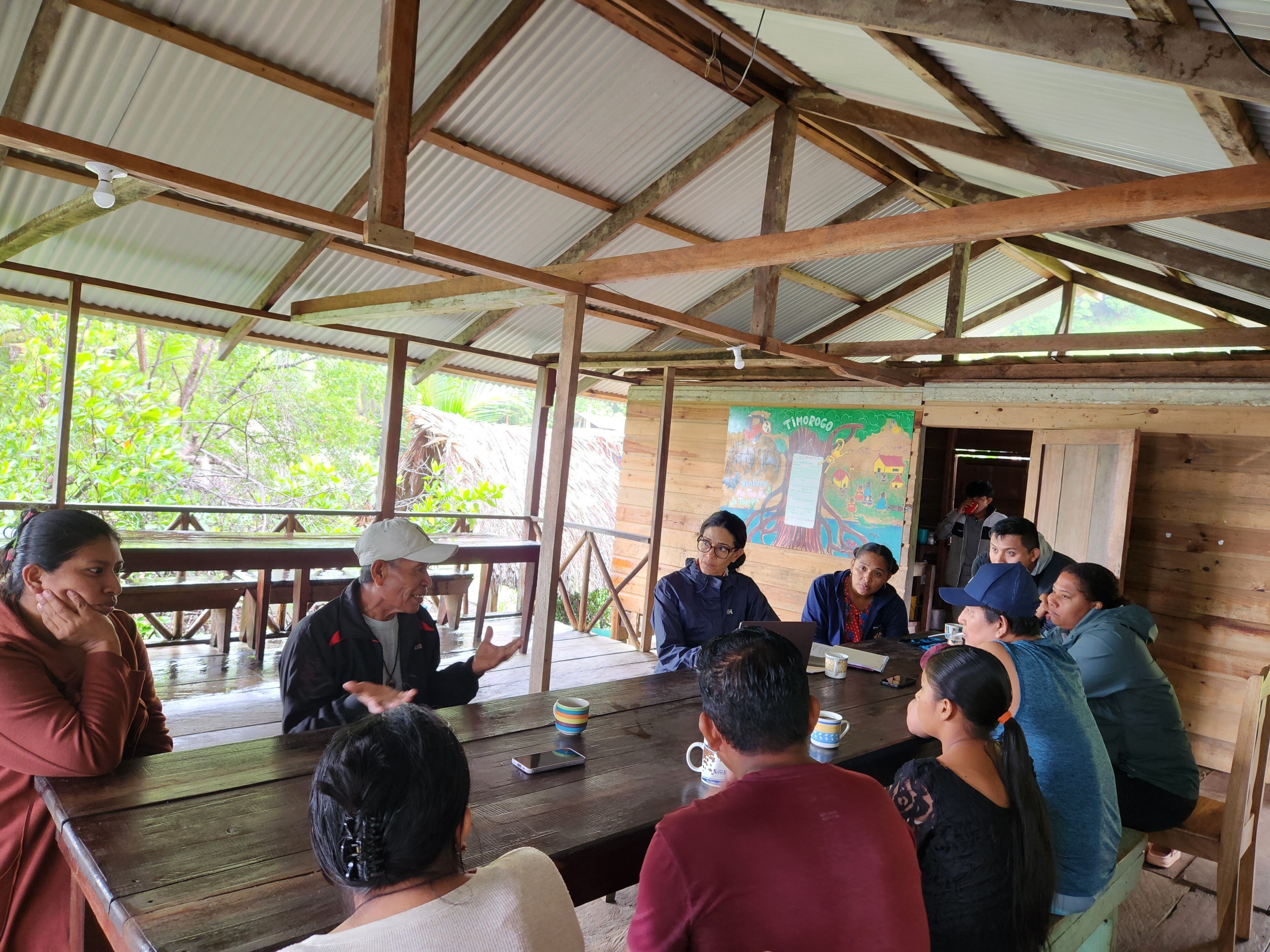
For example, a collaboration between Ngöbe communities of the Bocas del Toro archipelago of Panama and scientists from the Smithsonian Tropical Research Institute sought to harness local knowledge related to the implications of expanding a local National Park. Interviewees shared appreciation for the existing Park, broadly rejected the expansion of Park boundaries and expressed interest in a community-led conservation effort aligned with their stewardship values and goals, underscoring the need to incorporate local views to ensure effective management.
Towards community-centred philanthropy
Similar power imbalances are often mirrored in traditional philanthropic models, with funders setting priorities far from the ecosystems and communities they aim to serve. A trust-based approach offers a step forward by repositioning funders and grant partners as collaborators, yet a good funder/grant partner relationship does not automatically extend to the communities they serve.
Achieving this requires funders and grant partners to hold themselves accountable for how conservation reaches communities on the ground. This means challenging how communities are involved: whether consent is being sought and respected, traditional governance systems are being recognized and communities are genuinely shaping the work or simply receiving it. It means ensuring that Indigenous and local communities are not just consulted or accommodated, but formally represented in decision-making across the design, implementation and governance of funded projects.
Rare's network of Managed Access with Reserves, a fisheries management system that balances sustainable use and protection, offers one example of what this can look like. The organization embeds Free, Prior and Informed Consent as a foundational principle, ensuring communities shape conservation plans freely, before decisions are made and with full information. But this approach goes beyond consent: communities and local governments co-design and co-manage their marine areas, with local fishers holding preferential access rights and community-set rules governing how the fishery is managed.
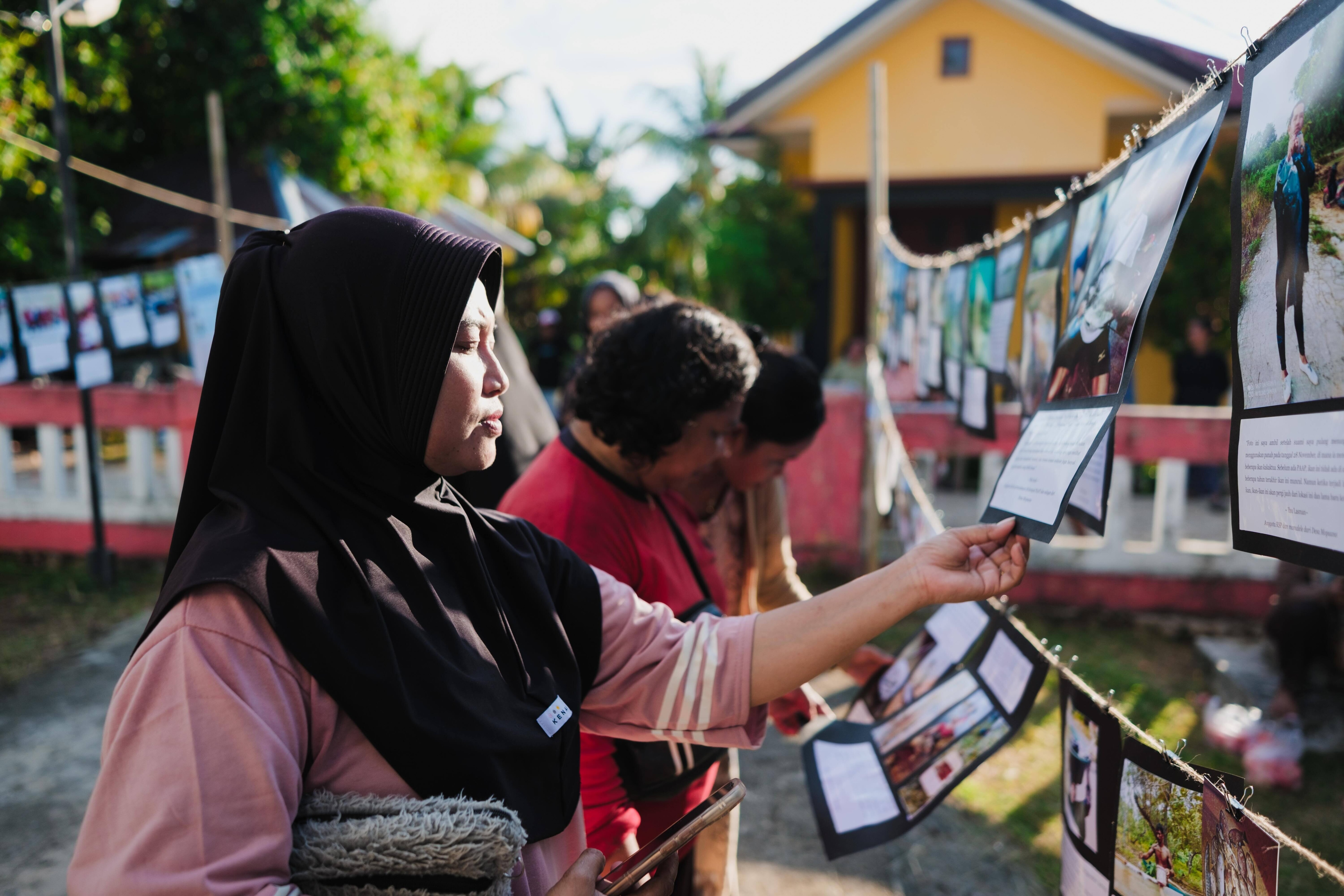
In Indonesia, communities have gone further still, committing village government funds to co-led marine surveillance — a sign of lasting stewardship and local ownership. Rare has taken the same approach to science, partnering with a researcher to pilot a participatory photo assessment in Southeast Sulawesi, capturing environmental and social change through communities' own stories and frames.
A decisive window for inclusive conservation
Science and philanthropy are powerful forces in ocean conservation, but their impact depends on whose knowledge, priorities and leadership they centre. Without this shift towards inclusion, led by socially-grounded science and community-centred philanthropy, there is a risk that conservation will deliver marine protection in name but not in practice. Embracing both can help ensure that conservation is effective and equitable. Furthermore, by recognizing the connections between people and the ocean across the tropics and embedding these relationships into governance structures, conservation efforts can become more resilient.
Realizing this potential requires concrete commitments and partnerships that bring together diverse forms of knowledge and expertise through cross-sector collaborations. Decision-makers can connect with the right science and learn from local philanthropic efforts to identify and address systemic inequities, set measurable inclusion targets and align policies to support locally-led initiatives. For funders willing to embrace community-centred philanthropy and grant partners ready to bring their full voice, knowledge and leadership to the table, the opportunity to do conservation differently has never been greater.
The authors are members of the World Economic Forum's Friends of Ocean Action, a unique community of ocean leaders connecting business, civil society, international organizations, science and technology to fast-track solutions to the most pressing issues facing the ocean.
Don't miss any update on this topic
Create a free account and access your personalized content collection with our latest publications and analyses.
License and Republishing
World Economic Forum articles may be republished in accordance with the Creative Commons Attribution-NonCommercial-NoDerivatives 4.0 International Public License, and in accordance with our Terms of Use.
The views expressed in this article are those of the author alone and not the World Economic Forum.
Stay up to date:
Ocean


Forum Stories newsletter
Bringing you weekly curated insights and analysis on the global issues that matter.
More on Nature and BiodiversitySee all

Julia Strong and Susan Cook-Patton
September 28, 2026


