This article has been updated.
The International Day for Biological Diversity, marked every 22 May, is a reminder to the world that we cannot survive without biodiversity.
This year’s theme, ‘Acting locally for global impact', aims to connect local initiatives with the 23 targets of the Kunming-Montreal Global Biodiversity Framework.
One target is to mobilize $200 billion per year by 2030 and the Forum, in collaboration with Oliver Wyman, has highlighted 50 opportunities for businesses to invest in the new nature economy.
With 1 million animal and plant species threatened with extinction, the International Day for Biological Diversity (IBD), marked every 22 May, becomes more vital with each passing year.
But it’s not just about protecting the huge variety of species on Earth. Biological diversity, or biodiversity, forms the web of life that we depend on, says the United Nations (UN). Over 80% of our diet is provided by plants; 3 billion people get 20% of their protein from fish, while 8 in 10 people living in rural areas in developing countries rely on plant-based medicines.
The loss of biodiversity is therefore a direct threat to human health. And it's why the UN continues to raise awareness with its annual global event. Here’s everything you need to know about the IDB.
What is the International Day for Biological Diversity?
First celebrated on 29 December 1993, the International Day for Biological Diversity marks the date that the Convention on Biological Diversity (CBD) came into effect. This multilateral treaty, ratified by 196 nations at the 1992 Rio Earth Summit, mandates "the conservation of biological diversity, the sustainable use of its components and the fair and equitable sharing of the benefits arising out of the utilization of genetic resources".
The day serves as an annual reminder of how essential biodiversity is to life on Earth, and also how rapidly it continues to be eroded, largely due to human activities like deforestation and habitat fragmentation, as well as climate change. It encourages individuals, organizations and governments to take action to reverse this trend.
In 2000, the decision was made to move the day to its current date of 22 May – partly to commemorate the adoption of the CBD text on that date in 1992, and partly to avoid clashing with traditional holidays at the end of the year. The name was also tweaked to the International Day for Biodiversity (IDB), although both versions are still used.
Why is the IDB important?
More than 48,600 species are at risk of extinction, according to the IUCN Red List of Threatened Species. The world lost 4.3 million hectares of rainforest last year, and the climate crisis is increasing the frequency and intensity of fires, floods, and droughts, further impacting biodiversity.
The UN says that biodiversity loss could lead to more zoonoses – diseases transmitted from animals to humans. Conversely, "by maintaining biodiversity, ecosystems can buffer humans from risks of exposure to disease reservoirs", points out the World Health Organization.
Similarly, the ocean, rainforests and peatlands store vast amounts of carbon dioxide – protecting them can help us tackle the climate crisis.
But time is very much of the essence. The world is not on track to meet global climate targets. International days like the IDB help to keep the pressure on.

What is this year’s theme?
We are now just four years away from some vital climate-related targets. Where last year's IDB focused on the UN’s Sustainable Development Goals for 2030, this year centres on the Kunming-Montreal Global Biodiversity Framework (KMGBF), which has 23 targets that must be met by this date.
Under the theme, 'Acting locally for global impact', IDB26 aims to connect local initiatives with these KMGBF targets, and encourage the whole-of-society approach championed by the framework.
This approach, says the CBD, includes ways to "enlist, enable, empower and leverage contributions of actors other than national governments at the local level, including Indigenous peoples and local communities, sub-national governments, cities and other local authorities, women and youth groups, businesses and financial institutions".
With an annual biodiversity funding gap of $700 billion, "all sources" – from public to private – are being called upon via the KMGBF to mobilize $200 billion per year by 2030. Biodiversity credits are one way to meet this target. In 2025, the World Economic Forum and its partners outlined high-level principles to ensure that such credits achieve their ambitions and avoid harm to communities.
How else is the Forum contributing?
The Forum’s nature and biodiversity and water initiatives are some of the largest collaborative networks cultivated by UpLink, its open innovation platform. Successes include a technology-driven forest intelligence company which uses AI, drones and satellite data to map forest cover and monitor species.
Another Forum initiative, the Tropical Forest Alliance, is a multi-stakeholder partnership focusing on achieving a sustainable agricultural transition that protects and restores tropical rainforests.
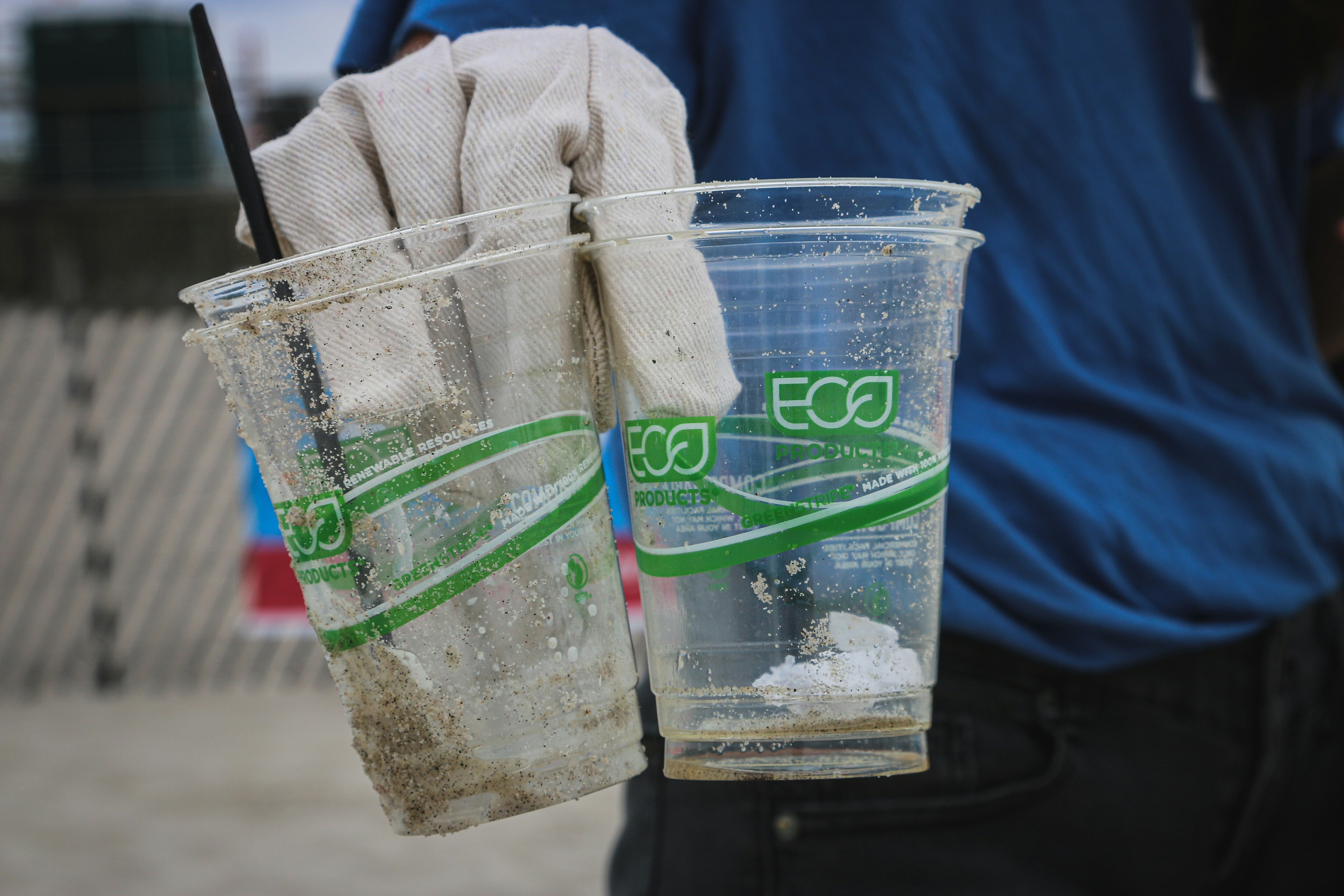
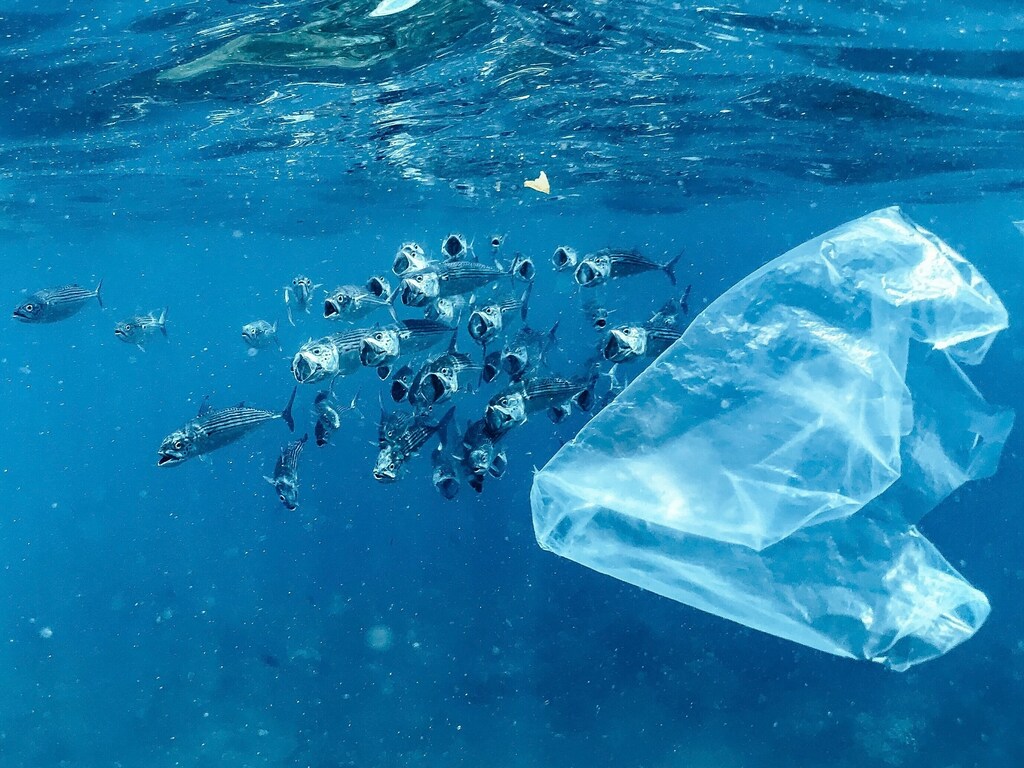
Plastic pollution, already identified as a threat to human health, is having a devastating impact on biodiversity. Avian and aquatic wildlife ingest or become entangled in it, while invasive alien species are transported via plastic waste. Target 7 of the KMGBF specifically addresses plastic pollution, while the Forum’s Global Plastic Action Partnership convenes governments, businesses and civil society to tackle the 11 million tonnes of plastic waste leaking into the ocean each year.
How the Forum helps leaders align climate action with nature-positive growth
The Centre for Nature and Climate helps leaders make sense of the interconnections between climate, nature and economic development. It provides a platform to explore pathways that support resilience and prosperity within planetary boundaries.
By enabling cooperation across sectors and regions, the Centre supports partners in translating shared understanding into practical climate and nature solutions.
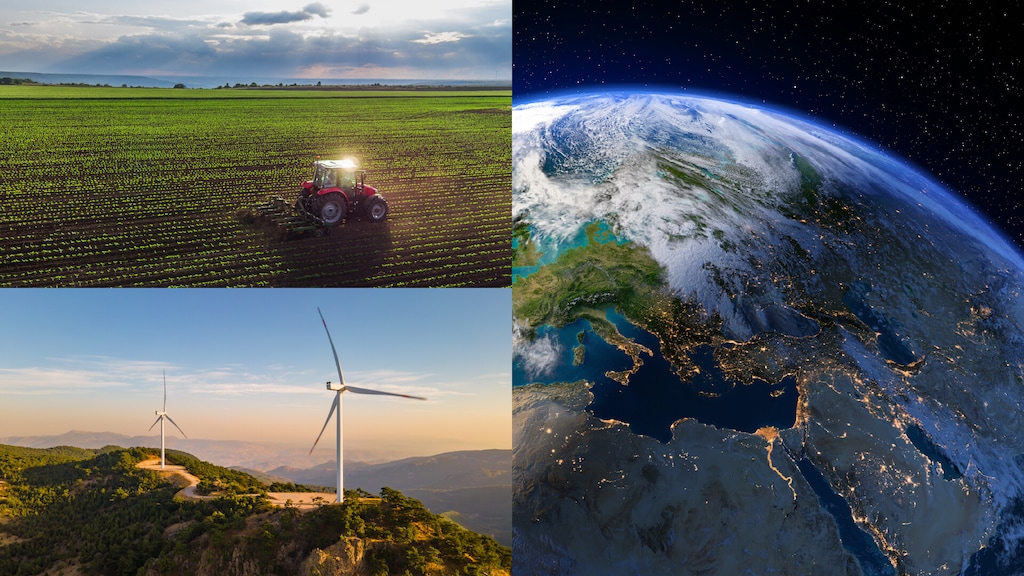
As businesses increasingly experience the impact of the climate crisis and biodiversity loss, many are also realizing that the green economy is a viable way forward. The Forum, in collaboration with Oliver Wyman, has highlighted 50 opportunities for businesses to invest in the new nature economy, which accounted for nearly $8 trillion in listed equity market value in 2024. From bio-solutions to precision agriculture, the business ventures all generate value from waste or encourage sustainable use of resources.
The IDB is a reminder to the world, says the UN, that "despite all our technological advances, we are completely dependent on healthy and vibrant ecosystems for our water, food, medicines, clothes, fuel, shelter and energy, just to name a few".