WHO urged to declare climate health emergency, and other climate and nature news
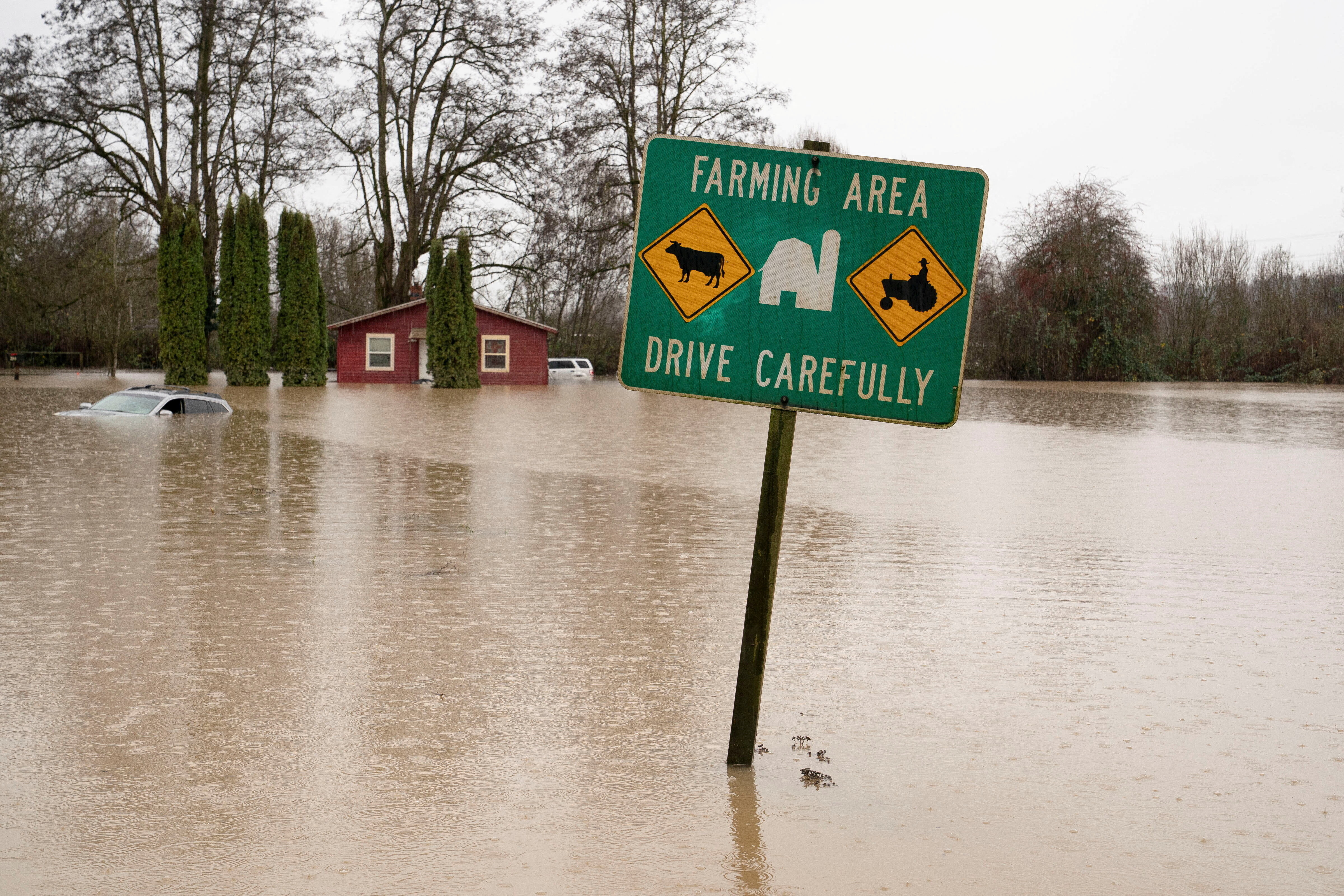
Extreme weather is a rising threat. Image: REUTERS/David Ryder
- This round-up contains the key nature and climate news from the past month.
- Top news: Experts urge WHO to declare climate health emergency; Forecasters warn of powerful El Niño; Early warning systems get G7 support.
1. WHO urged to declare climate health emergency
Experts have urged the World Health Organization (WHO) to declare climate change a global public health emergency.
A new call to action from the independent Pan-European Commission on Climate and Health argues that climate change is no longer a distant environmental threat, but an immediate crisis affecting health, food, water, energy and security.
The commission, chaired by former Icelandic Prime Minister Katrín Jakobsdóttir and convened by WHO Europe, says governments are not responding at the scale required.
It has set out 17 recommendations. These include treating climate change as a health security threat, making health systems more climate-resilient, scaling local action and reforming the financial systems that continue to support fossil fuel use.
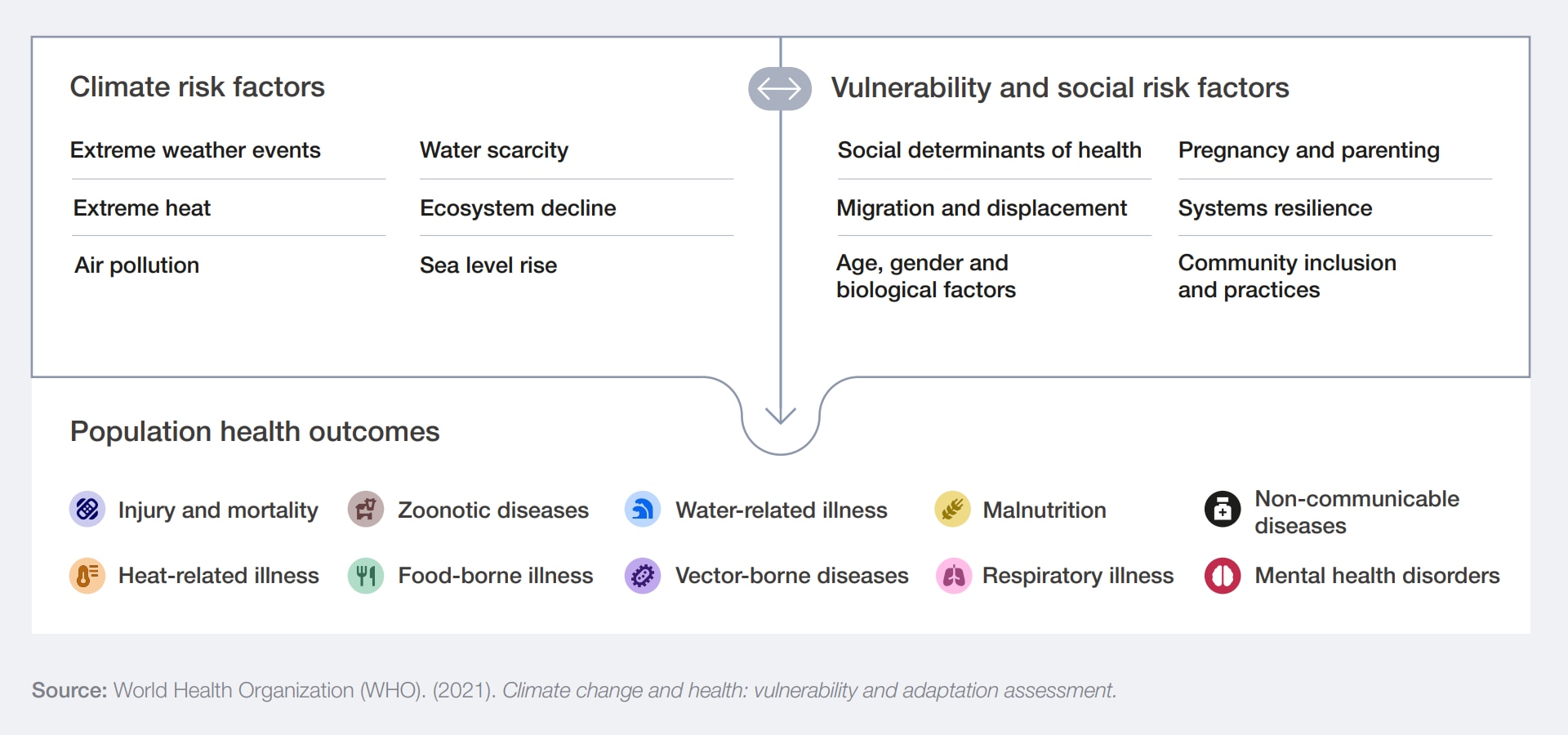
The commission has called on the WHO to classify climate change as a "public health emergency of international concern", its highest level of health alert, previously used for crises such as COVID-19 and mpox. It is hoping to trigger a more coordinated international response to threats including extreme heat, infectious disease, food insecurity and air pollution.
A major focus of the recommendations is fossil fuel dependency. Fossil fuel combustion, the commission says, is driving air pollution, climate change and exposure to energy price shocks, and it warns subsidies for oil and gas are worsening public health risks. Redirecting public money towards clean energy, public transport, sustainable diets and climate-resilient healthcare would save lives and reduce long-term costs, it adds.
The case for acting on climate now is not just environmental. It is a security argument, a health argument and an economic argument, all at once. And it is a moral imperative.
—Regional Director, Europe, World Health Organization ”
2. Forecasters warn of powerful El Niño
Forecasts point to a growing chance of a strong El Niño developing in the tropical Pacific, with potential consequences for global temperatures, rainfall patterns and humanitarian risk.
Parts of the Pacific have warmed rapidly, and the National Oceanographic and Atmospheric Administration now sees a two-in-three chance that the event becomes strong or very strong by winter. The World Meteorological Organization (WMO) notes that forecasts made in spring still carry uncertainty.
If the event strengthens as forecast, scientists warn it could help push global temperatures to new records in 2027. El Niño typically adds heat to the climate system, and the 2023/24 event contributed to the hottest year on record.
The impacts would not be evenly felt. El Niño is often linked to flooding in parts of Peru, Ecuador, East Africa, Central Asia and southern North America, and increasing drought and wildfire risk in Australia, Indonesia and parts of South America.
Possible El Niño-driven droughts and floods could combine with existing pressure from the Strait of Hormuz crisis, which is already affecting fertilizer distribution and prices. That could mean lower crop yields, tighter food supplies and higher prices, with the greatest risks falling on poorer countries.
The WMO says seasonal forecasts are vital for agriculture, water management, energy and health, giving governments and humanitarian agencies time to act before risks escalate.
3. News in brief: Other top nature and climate stories
RCP8.5 debate highlights climate communication gap: Recent misinformation around RCP8.5 has reignited debate over how climate scenarios are communicated. RCP8.5 is one of four "representative concentration pathways" developed by the Intergovernmental Panel on Climate Change to measure the change in the Earth's radiative balance caused by man-made emissions and to model future climate change. As Carbon Brief explains, RCP8.5 represents a low-probability, high risk scenario and not the "business as usual" forecast as some reports have mistakenly suggested. Newer scenarios suggest the most extreme emissions pathway is now less plausible, partly due to the shift away from coal. But the outlook remains serious, with current trajectories still pointing towards roughly 2.5-3C of warming.
Early warning systems get G7 support: France and the UK have pledged new funding to the Climate Risk and Early Warning Systems (CREWS) initiative, helping expand life-saving weather alerts. CREWS says early warning systems already support 400 million people, with every dollar invested delivering up to $10 in benefits and 24-hour storm warnings cutting damage by 30%.
Global standards needed for recycled packaging: A report from the Food and Agriculture Organization of the United Nations (FAO) says recycled plastic food packaging can reduce waste and support sustainability, but must be matched with robust safety checks to prevent chemical contamination of food.
Global sand demand threatens ecosystems: Global demand for sand is outpacing sustainable supply, with around 50 billion tonnes used each year and demand expected to double by 2060. The UN Environment Programme warns that poorly governed sand extraction is damaging coastal ecosystems and local livelihoods, calling for national sand inventories and stronger recognition of sand as a strategic resource.
EU carbon market overhaul aims to ease pressure: The European Commission is considering giving more free CO2 permits to industry, including fertilizer producers, as rising energy and fertilizer costs linked to the Strait of Hormuz disruption intensify pressure on European businesses and farmers. Brussels says any carbon market changes should support further decarbonization, with more revenue returned to industry and incentives tied to low-carbon production.
FAO warns Sudan food crisis could worsen: Nearly 19.5 million people in Sudan are facing crisis levels of acute food insecurity, with famine risk persisting in parts of Darfur and South Kordofan. UN agencies also warn of food crises in other regions of Africa – hunger and famine risk are worsening in Somalia, while the DRC faces one of the world’s largest hunger crises, with over 26.5 million people struggling to meet basic food needs.
US vehicle pollution limits face delay: The US Environmental Protection Agency has proposed delaying enforcement of Biden-era vehicle pollution standards by two years, pushing compliance for light and medium-duty vehicles to the 2029 model year. The EPA says the delay could save automakers $1.7 billion, while environmental groups warn it risks increasing smog-forming pollution, illness and premature deaths.
4. More on the nature and climate crisis from Forum Stories
How companies can build more resilient food supply chains: The global food system has delivered unprecedented efficiency and scale for decades, feeding a growing population and driving economic development. But the system was designed for a stable climate and this stability is being challenged by climate, trade and geopolitical pressures. This article explores how some companies are reimagining some of their buying practices to secure resilient value chains for the future.
How the climate crisis is impacting sports: From LA marathoners being allowed to “finish” at mile 18 because of extreme heat, to skiers racing on artificial snow at the Winter Olympics, climate change is already rewriting the rules of sport. As average temperatures rise, extreme weather events are becoming more frequent and intense. This increases the likelihood that such events will overlap with and significantly disrupt sporting events worldwide. This article reveals some ways that sports are racing to stay ahead of climate change impacts.
Methane emissions are accelerating warming. Scientists say this plan can help: Methane is responsible for about 30% of global warming today, making it one of the fastest ways to slow rising temperatures in the near term. At an international meeting under France’s G7 presidency, scientists urged governments and businesses to accelerate action through the new Angera Declaration, a 10-point plan to accelerate methane science and policy. So what does this entail? Find out here.
License and Republishing
World Economic Forum articles may be republished in accordance with the Creative Commons Attribution-NonCommercial-NoDerivatives 4.0 International Public License, and in accordance with our Terms of Use.
The views expressed in this article are those of the author alone and not the World Economic Forum.

Forum Stories newsletter
Bringing you weekly curated insights and analysis on the global issues that matter.
More on Climate Action and Waste Reduction See all

Hanane Mourchid, Jamil Wyne and Olivia Zeydler
October 6, 2026


