How standards can advance the energy sector’s nature-positive transition – lessons from China
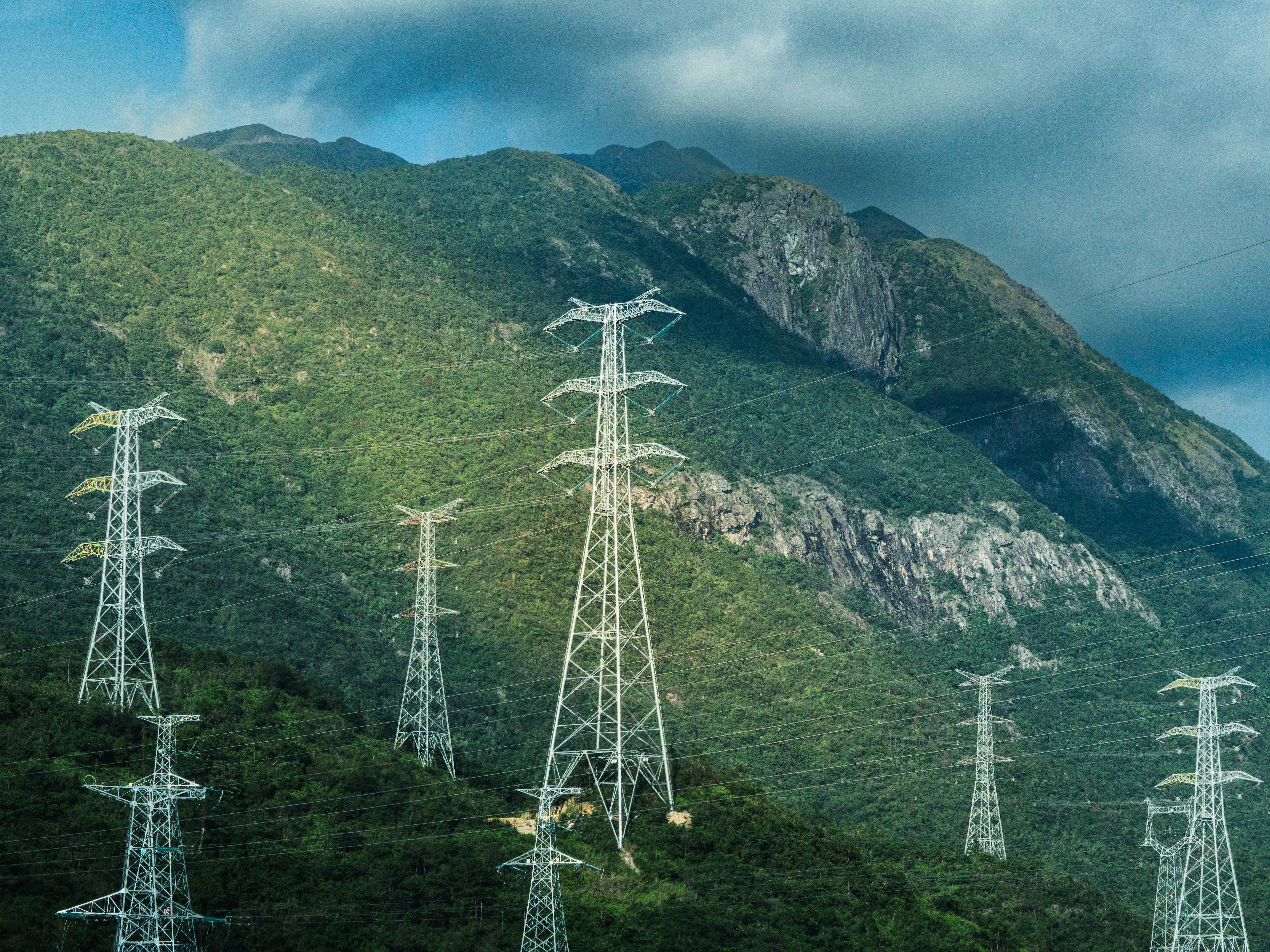
Island ecosystems are pioneering the energy sector’s nature-positive transition Image: Unsplash/Steven Lynn
Ling Luo
SASAC Fellow and Director of Urban Energy Interconnection Research Center, State Grid Shanghai Electric Power Research Institute- China has been actively implementing the UN biodiversity framework through a series of national actions for conservation but economic sector players could undermine their roles in supporting the implementation.
- The energy sector demonstrates how nature is being integrated into its low-carbon transformation but further progress could be achieved with better data and updated standards.
- Island ecosystems have become a testing ground for developing technical standards to help guide the sector towards consistent, nature-positive practices in sensitive environments.
Since its adoption in 2022 by the 15th Conference of the Parties (COP15) China is actively implementing the Convention on Biological Diversity and the Kunming-Montreal Global Biodiversity Framework into law, aiming to protect 30% of its land and sea by 2030 and using "ecological red lines" for protection.
In 2025, nine Chinese cities – including Shanghai’s Chongming district – were accredited as International Wetland Cities under the Ramsar Convention, bringing China’s total to 22, the largest number worldwide.
Recently, China’s top legislature passed the landmark Ecological and Environmental Code, the second formal statutory code following the Civil Code in 2020, indicating the institutional foundation for advancing the harmonious coexistence of humanity and nature.
The construction sector, for instance, relies on resources such as sand, stone and timber, while its assets benefit from the protection that healthy ecosystems provide against natural disasters.
Yet unchecked construction expansion can encroach on virgin habitats and deplete resources, further disrupting ecological balance and threatening biodiversity. Tropical primary forests alone are disappearing at a rate of over 3 million hectares per year due to land-use changes, such as agriculture and infrastructure development.
For this reason, achieving the framework's goals requires economic sectors to assess their own impacts and dependencies on nature, set transition targets and take concrete steps to minimize harm and maximize positive contributions.
Overcoming nature-positive challenges in the energy sector
Unlike climate change, where impacts are largely global, the effects of economic activity on nature are highly sector-specific and location-dependent.
Companies must tailor their assessments and transition strategies to operational realities and geographic footprints. Within the same sector, however, commonalities are strong enough to build consensus and drive collective action.
Such coordination helps lower the “transition premium” for individual firms and accelerates the sector's progress towards sustainability.
Consider the energy infrastructure sector. Its low-carbon transformation is essential to meeting global climate targets. Leading companies are already integrating nature into their transition strategies.
State Grid Shanghai Shinan Electric Power Supply Company, for example, has installed a large-scale shore energy system at a busy lock on the Yangtze River Delta's inland waterways.
The system replaces noisy, high-emission diesel generators, significantly reducing harm to the river's ecology and biodiversity.
Similarly, the Mengniu Dairy factory in Wuhan has built an artificial wetland on its premises to treat wastewater, which then flows through a small stream for further purification before discharge.
This mini-wetland not only addresses the wastewater issue but also serves as a habitat for local wildlife.
However, for such initiatives to become mainstream across the sector, more enabling conditions are needed. Two challenges stand out:
- Unquantifiable impact: The biodiversity effects of energy infrastructure projects are hard to measure. Without clear, data-driven metrics, it is difficult to foster the cross-departmental collaboration companies need to tackle the problem.
- Outdated standards: Existing norms often lag behind technological advances and conservation needs, leaving new tools underutilized for biodiversity protection.
Solving these problems requires robust scientific and implementation standards.
While global frameworks such as the Global Biodiversity Framework and the Taskforce on Nature-related Financial Disclosures matrix provide guidance, sector-specific indicators for the biodiversity impacts of infrastructure remain underdeveloped.
From site selection to planning ecological buffers, a more unified scientific and evaluative framework could guide new builds and upgrades to existing facilities.
Developing technical specifications for energy infrastructure in sensitive ecosystems is equally important. This is highly context-dependent and demands solutions tailored to specific environments.
How island ecosystems are pioneering the energy sector’s nature-positive transition
Island ecosystems are especially fragile, making it vital to consider biodiversity when installing power infrastructure. Their relative isolation makes them ideal testing grounds for developing and refining new technical standards.
Such standards can guide the sector towards consistent, nature-positive practices in sensitive environments. Moreover, the pace of power infrastructure development on islands offers useful case studies for evaluating new norms and improving their relevance and effectiveness.
The International Telecommunication Union (ITU), the UN specialized agency responsible for global information and communication technologies, has begun exploring digital technology standards that support biodiversity monitoring and environmentally sustainable infrastructure.
Two relevant standards have already been proposed within Study Group 5 (which develops international standards to promote an environmentally sustainable, resilient and inclusive telecommunications sector).
One of them is the “Guidelines for the Construction of Smart Low-Carbon Power Supply Facilities Adapted to Island Biodiversity,” developed by State Grid Shanghai Electric Power Research Institute in 2025.
The standard aims to use digital tools to enhance biodiversity monitoring on islands, thereby improving the ecological performance of energy construction projects.
These guidelines are being tested on Chongming Island in Shanghai, with the goal of reducing the biodiversity footprint of energy infrastructure in ecologically sensitive areas and, eventually, scaling up solutions.
Achieving a nature-positive transition across economic sectors is an ongoing process of exploration and capacity-building.
The work on island energy systems is just one example. China's green development strategy encourages industries to pioneer new models.
Turning this vision into reality requires visionary companies to lead, experts to build sector-wide capabilities, standard-setting bodies to continuously update technical norms and every professional in the field to think creatively.
The hope is that more sectors will launch pilot projects, working together to drive a truly systemic and green transition across the economy.
Don't miss any update on this topic
Create a free account and access your personalized content collection with our latest publications and analyses.
License and Republishing
World Economic Forum articles may be republished in accordance with the Creative Commons Attribution-NonCommercial-NoDerivatives 4.0 International Public License, and in accordance with our Terms of Use.
The views expressed in this article are those of the author alone and not the World Economic Forum.
Stay up to date:
SDG 15: Life on Land
Related topics:


Forum Stories newsletter
Bringing you weekly curated insights and analysis on the global issues that matter.
More on Nature and BiodiversitySee all

Madeleine North
July 24, 2026


