Why the energy transition will be powered by consumers
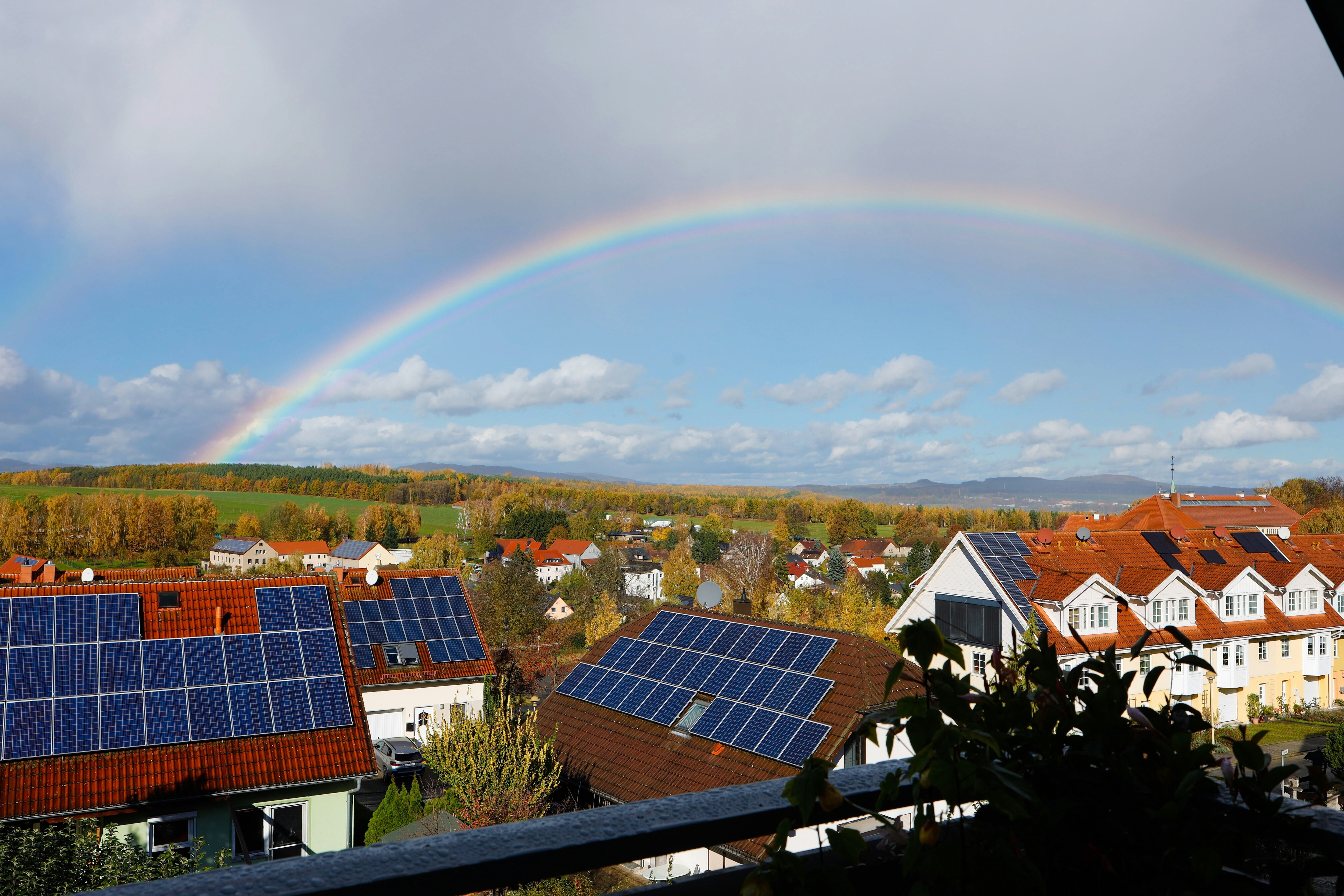
Consumers are already major investors in the clean transition. Image: Lara John/Unsplash
- Geopolitical shocks and soaring energy costs are pushing households towards clean electricity.
- Consumer investment in home technologies now accounts for 20% of total domestic climate finance.
- Targeted market regulation and incentives must empower everyday households to balance the grid.
The Iran war sent oil and gas prices spiralling in early 2026, just as Russia’s invasion of Ukraine did four years earlier. Spiking energy prices, almost triple pre-crisis rates in some countries, have turned essential daily activities like cooking a meal or cooling the home into a dilemma for ordinary households. Shifting to clean electricity and modern flexible grids offers both a solution for energy security and the opportunity for a fairer deal for consumers.
For years, policy-makers have focused heavily on the supply side of the energy transition, and vital progress has been made in scaling up renewable generation. But supply and demand must advance together if we are to meet our climate and consumer challenges.
Electrifying transport, buildings and industry creates new demand for clean electricity, which supports further investment in renewable generation. At the same time, grid-edge technologies such as batteries and flexible demand help integrate growing volumes of variable renewable power. Together, these changes can create a virtuous cycle of deployment, falling costs and accelerating electrification.
That makes consumer adoption of clean energy technologies central to the next phase of the energy transition. Millions of individual decisions about vehicles, heating and cooling, appliances, rooftop solar and batteries will help determine how quickly demand for clean electricity grows, and when and where. Consumer participation is not simply a matter of winning public support for the transition; it is one of the forces that will drive it.
Consumers are already powering the transition
Consumers are already major investors in the clean transition. In 2024, households invested $332 billion in electric vehicles (EVs), efficient appliances, heat pumps, rooftop solar and other low-carbon household technologies, representing around 20% of all domestic climate finance.
Homes are becoming sources of electricity as well as places where it is consumed. Global solar capacity reached almost 3 TW by the end of 2025, with distributed systems contributing substantially to new installations. Plug-in solar is putting domestic generation within reach of more households.
As households electrify, they can also help balance the grid. Through smart home energy management systems, flexible tariffs, home batteries and two-way EV chargers, consumers can now adjust their electricity use in response to supply and prices, or store electricity when it is abundant. In some markets, they can even sell it back to the grid.
To enable consumers to play their part, electricity grids need to be modernized and digitized, and regulations must be adapted. Where this flexibility is enabled, consumers can cut household bills while reducing peaks in demand and making better use of existing generation and grid infrastructure. The International Energy Agency (IEA) estimates that demand flexibility can increase overall system efficiency by up to 30%.
Lower-income markets and households often face the greatest barriers to investing in modern home energy technologies, yet have the most to gain from lower and more predictable energy costs. Targeted incentives, financing and innovation will be critical to creating a fairer, more equitable energy system.
A more consumer-friendly energy system is emerging
Australia shows what is possible when policy and markets prioritize consumer agency. Almost one in three Australian households now generate solar power. Australia is also introducing tariffs offering households at least three hours of free electricity during periods of abundant solar generation, including households without their own solar panels.
The country’s Cheaper Home Batteries scheme, which reduces the upfront cost of a home battery by around 30%, has accelerated adoption dramatically: more than 400,000 systems have been installed in less than a year, adding substantial flexible storage capacity to the electricity system.
Pakistan’s solar boom has also been driven by consumers responding to high electricity prices and unreliable grid supply, along with the increased availability of affordable Chinese solar panels. Four million households were already using solar in 2023, and distributed solar’s estimated share of Pakistan’s electricity supply has since almost tripled from 10% to 28%. In Rawalpindi, we heard from one family of six who installed solar and battery storage in response to frequent power cuts. This meant they had reliable round-the-clock electricity while cutting their bills by around 90%. Access like this can allow families to eat a hot meal and for education and livelihoods to go uninterrupted.
These examples demonstrate that, across very different energy contexts, the right tools and market regulation can enable consumers to play a flexsumer role, improving household affordability and resilience while helping reshape the wider energy system.
Energy policy must unlock consumer power
To bring about action, policy-makers must focus on three immediate priorities:
- Make home electrification the cheapest option.
Match investment in clean generation with action to cut the upfront cost of home electrification technologies like solar and batteries. Affordable finance, targeted incentives and fair electricity pricing should make electrification the cost-effective choice for households. - Design energy markets around consumer participation.
Consumers should be able to generate, store, share and sell electricity easily, supported by upgraded flexible grids, interoperable technologies, simple digital tools, and market rules that properly value and reward the flexibility households provide. - Prioritize consumer experience and agency.
Electrification should be delivered with consumers, not simply for them. Governments, regulators, utilities and consumer organizations should work together to ensure technologies and services are understandable, trusted and accessible, particularly for lower-income and underserved households. Consumers International's One-Stop-Shops programme shows how independent consumer information can build trust and enable adoption.
Unlock consumer participation, and billions of household decisions can add up to cleaner, fairer and more resilient energy systems. The transition will not just be delivered to consumers; it will be powered by them.
Don't miss any update on this topic
Create a free account and access your personalized content collection with our latest publications and analyses.
License and Republishing
World Economic Forum articles may be republished in accordance with the Creative Commons Attribution-NonCommercial-NoDerivatives 4.0 International Public License, and in accordance with our Terms of Use.
The views expressed in this article are those of the author alone and not the World Economic Forum.
Stay up to date:
The Net Zero Transition


Forum Stories newsletter
Bringing you weekly curated insights and analysis on the global issues that matter.
More on Energy TransitionSee all

Per Kristian Hong, Guillaume De Lescluze, Memia Fendri and Hendrik Gaens
September 7, 2026