5 ways agricultural companies are building more resilient food systems
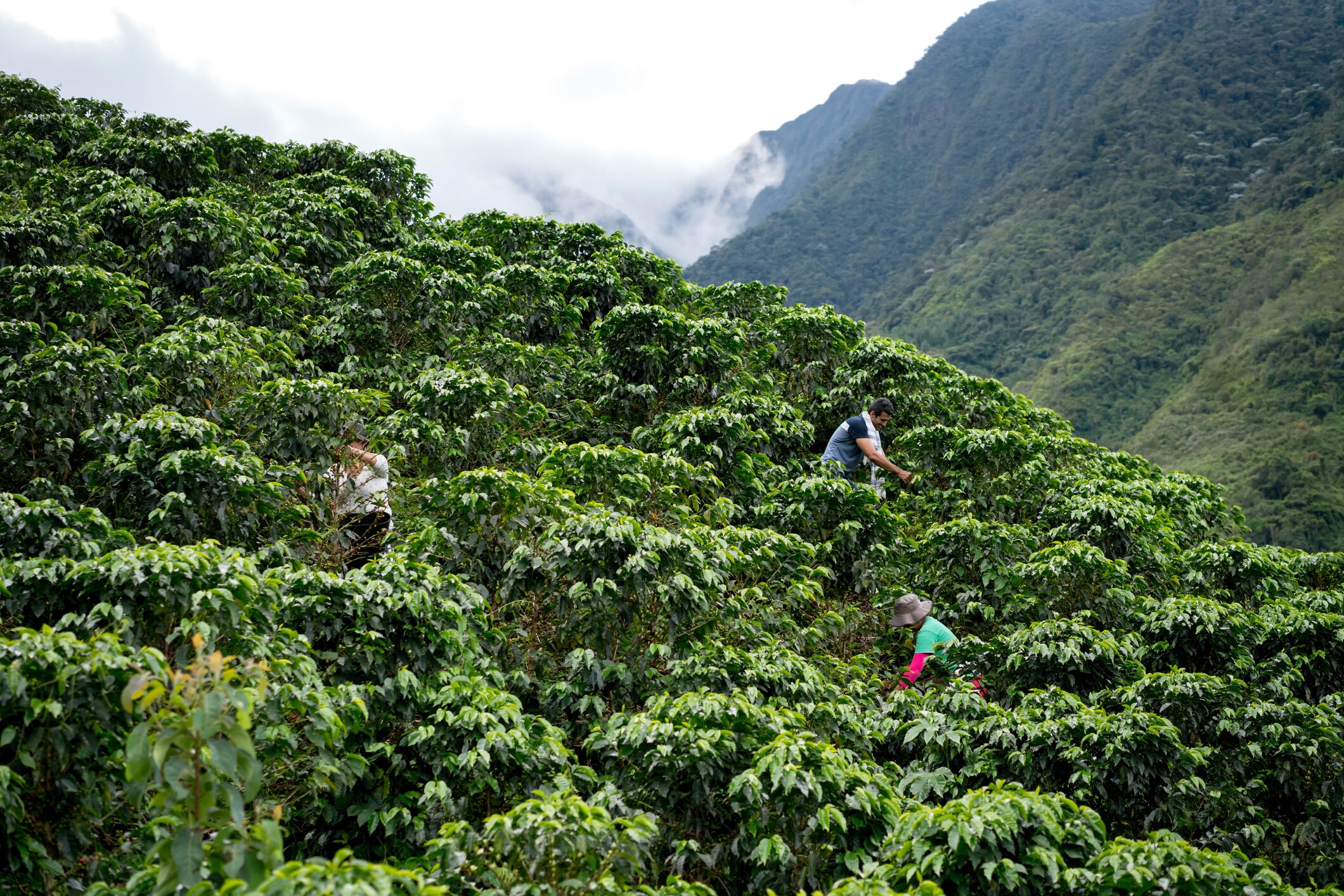
The capacity of farmers and ranchers to remain productive under changing environmental conditions will increasingly determine the stability of global food systems. Image: Getty Images/andresr
- Agricultural commodity companies cannot solve the challenge of deforestation-linked supply chains on their own.
- The Agriculture Sector Roadmap to 1.5°C was launched in 2022 to help improve implementation and transparency in this area.
- The roadmap process offers valuable lessons for other sectors navigating climate risks, supply chain disruption and geopolitical uncertainty.
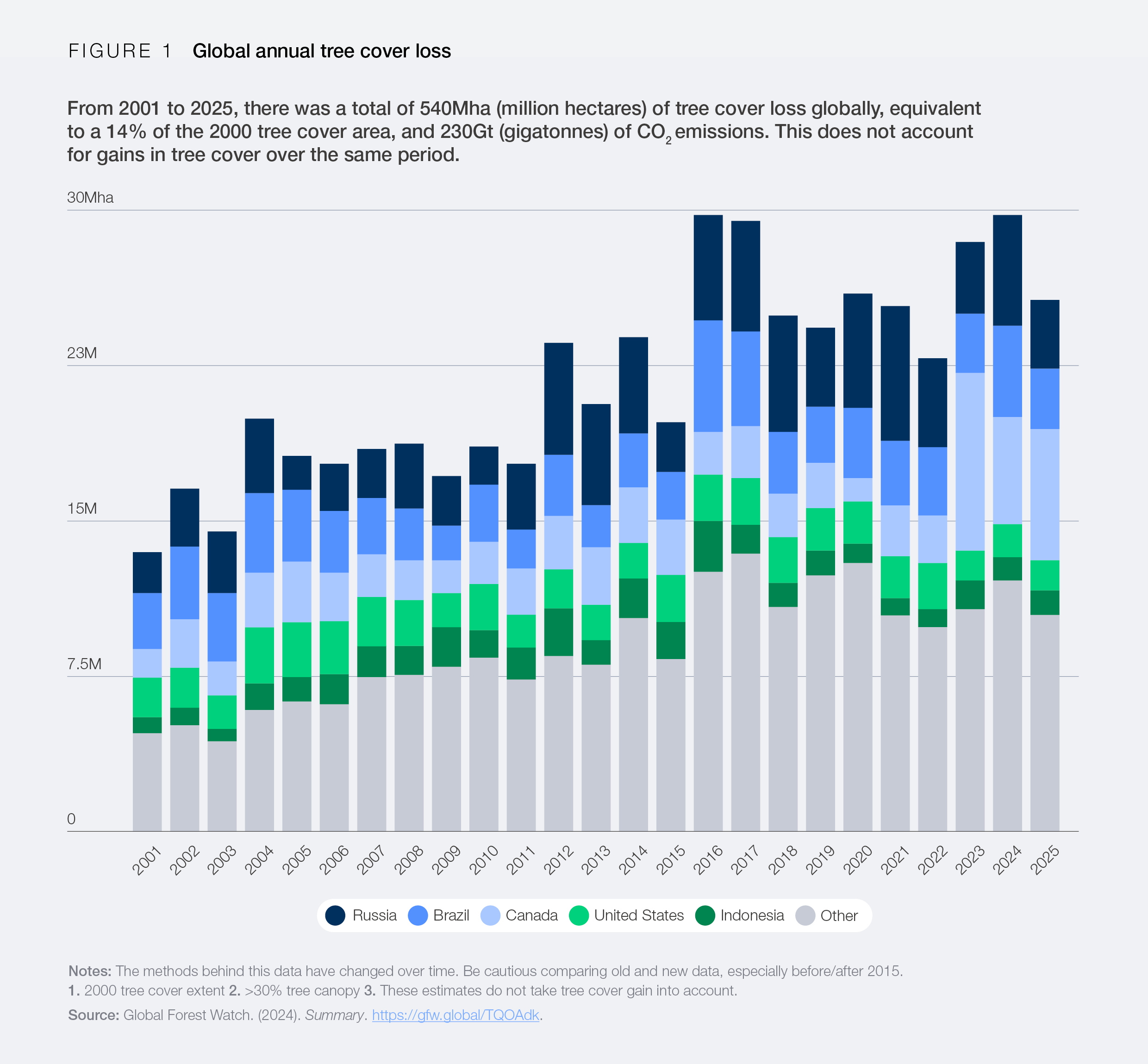
In 2021, as governments gathered at COP26 in Glasgow, it became increasingly clear that companies could not solve the challenge of deforestation-linked supply chains on their own.
Agricultural commodity companies faced growing pressure from investors, customers and governments to reduce emissions from land-use change while continuing to meet rising demand for the “4-F’s”: food, feed, fibre and fuel.
Many of their challenges – from implementing traceability and monitoring, to producer engagement and landscape protection – were larger than any one single country or company could solve.
Against this backdrop, the UK COP26 Presidency launched the Forest, Agriculture and Commodity Trade (FACT) Dialogue, bringing together producer and consumer countries to explore how trade, agriculture and forest protection could advance together. Alongside those government discussions, the Tropical Forest Alliance (TFA), hosted by the World Economic Forum, convened companies, civil society organizations and technical experts to identify practical ways the private sector could contribute.
The result was the Agriculture Sector Roadmap to 1.5°C. It was launched at COP27 in Egypt in 2022, and signed by 14 companies involved in the global trade of cattle, palm oil and soy.
This voluntary roadmap did not seek to prescribe commercial decisions or create industry rules. Instead, it provided a reference framework for companies to strengthen individual implementation, improve transparency and share best practices as they worked toward shared climate and nature goals.
Learning from the Agriculture Sector Roadmap
While the formal roadmap process is now concluding, many of the commitments and actions it helped catalyse continue. And it offers valuable lessons for any sector navigating a world shaped by climate risks, supply chain disruption and geopolitical uncertainty.
A World Economic Forum Report, From Pledges to Practice: Lessons Learned from the Agriculture Sector Roadmap to 1.5°C, explores these issues. Here are 5 of the key takeaways:
1. Shared approaches can address complexity in an increasingly fragmented world
Sustainability requirements have expanded rapidly in recent years. New regulations, customer expectations and reporting demands have created a more complex operating environment for companies sourcing agricultural commodities around the world.
For those that often source from the same producing regions through vast networks of farmers, cooperatives and suppliers, responding to every new requirement can create duplication, inefficiency and confusion.
One of the clearest lessons from the roadmap is that shared approaches can help reduce that complexity.
In 2026, for example, the Forest Data Partnership, a collaboration between Google, the World Resources Institute, the Food and Agriculture Organization of the United Nations (FAO) and NASA, launched the first open-source maps of tropical production areas for commodities such as cocoa, coffee, oil palm and rubber. Using artificial intelligence-powered analysis of landscape change over time, enabled by the AlphaEarth Foundation's dataset, the initiative provides a common, transparent foundation for understanding land-use dynamics across supply chains.
In an increasingly complex trading environment, such alignment is a source of resilience and competitiveness.
2. Traceability is becoming essential business infrastructure
Companies need to know where commodities come from, how they move through supply chains and whether sourcing areas face environmental or social risks. This information is increasingly important for maintaining market access, meeting customer expectations and complying with emerging regulations.
The roadmap helped accelerate conversations around common approaches to supply chain transparency and monitoring. It also highlighted the importance of industry-wide solutions that can reduce duplication and improve data quality.
One example is TRACT, a platform supported by major agrifood companies to improve supply chain traceability and sustainability data management. By enabling companies to work with more consistent methodologies and analyse comparable information across supply chains, such platforms help create common digital infrastructure for more resilient agricultural trade.
3. Strong supply chains depend on strong producers
Farmers and ranchers are on the front line of climate change. They face increasing weather volatility, shifting market demands and growing pressure to improve environmental performance, often while operating on narrow margins.
This matters beyond individual supply chains. As climate impacts intensify, producer resilience is becoming inseparable from food security itself.
Many companies participating in the roadmap increasingly focused on producer engagement, providing them with technical assistance, regenerative agriculture and efforts to improve productivity on existing agricultural land. Several initiatives linked this with traceability efforts, creating pathways that strengthen both livelihoods and environmental outcomes.
Long-term supply chain resilience depends on economically viable farming communities. Food systems cannot become more sustainable if producers themselves are not resilient.
4. Collaboration can accelerate learning
Many sustainability challenges are practical rather than competitive. Questions such as how to improve traceability, measure land-use change, engage indirect suppliers or support landscape initiatives affect entire sectors.
Working on the roadmap helped companies exchange experiences, compare approaches and identify opportunities for greater consistency, while maintaining full independence over their business decisions.
This type of pre-competitive collaboration helps reduce duplication, accelerate learning and scale solutions faster than isolated efforts can.
5. Nature is becoming a core business issue
When the roadmap was launched, many companies viewed forest protection primarily through the lens of corporate responsibility. Today, climate impacts, biodiversity loss, supply chain disruption and changing regulations have made nature a material business concern.
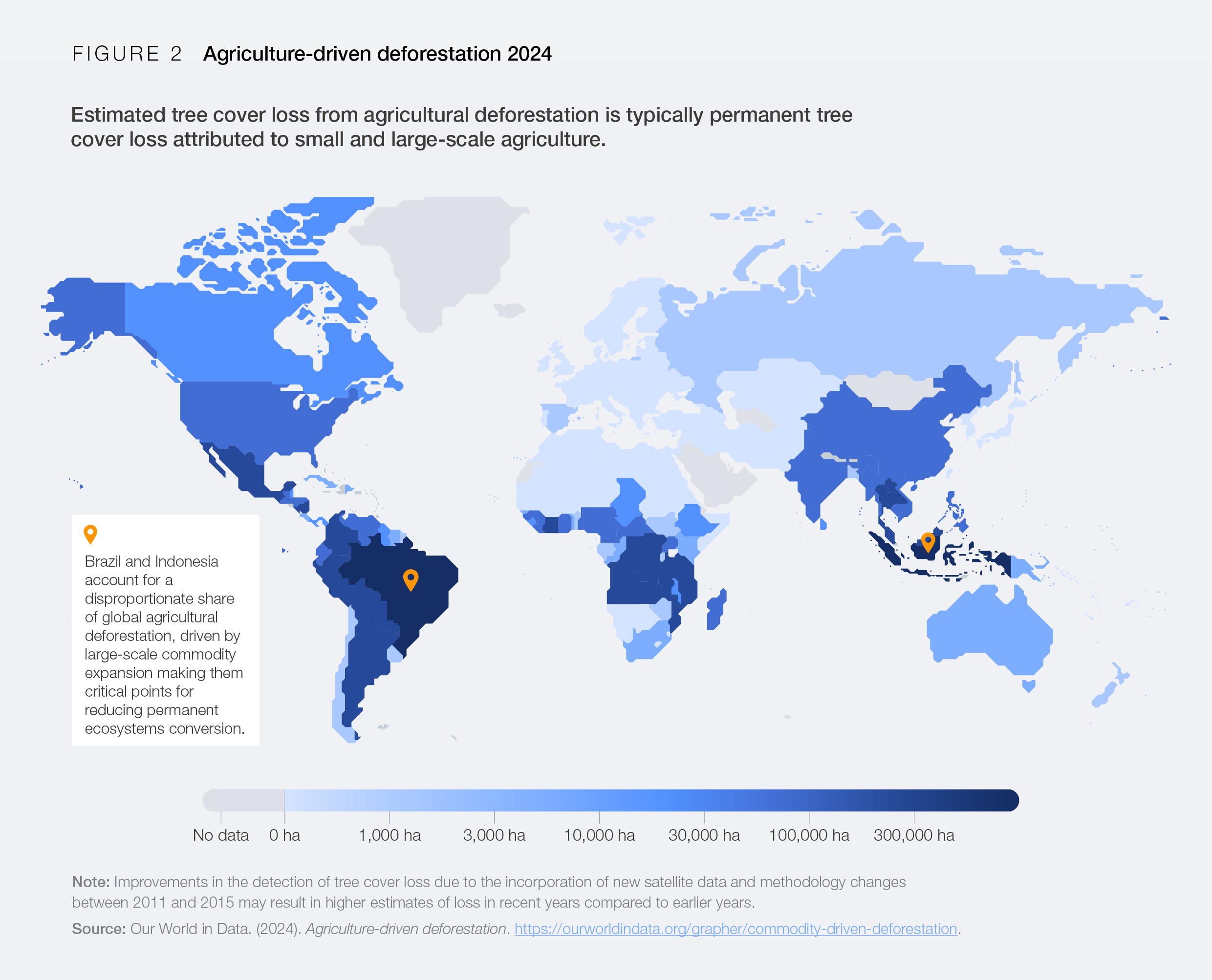
Leading companies increasingly recognise that healthy ecosystems underpin agricultural productivity, water security and long-term supply stability. Likewise, countries that successfully combine agricultural growth with forest conservation may be better positioned to compete in future food markets.
In this sense, protecting forests contributes to more resilient food systems and economies. This reflects a broader shift underway as the global economy moves from treating nature as a constraint on development to recognizing healthy ecosystems as a form of infrastructure that underpins economic resilience and future competitiveness.
Protecting and restoring ecosystems
The Agriculture Sector Roadmap to 1.5°C was never intended to solve deforestation on its own. No single voluntary initiative could.
What it demonstrated, however, is that companies can collaborate on practical solutions to collective challenges, build trust across value chains and work alongside producers, governments, financial institutions and civil society.
As the world looks towards COP31 in November 2026 and the next phase of climate and nature action, future food security will depend on collaborating to protect and restore the forests and ecosystems that make agricultural production possible.
Don't miss any update on this topic
Create a free account and access your personalized content collection with our latest publications and analyses.
License and Republishing
World Economic Forum articles may be republished in accordance with the Creative Commons Attribution-NonCommercial-NoDerivatives 4.0 International Public License, and in accordance with our Terms of Use.
The views expressed in this article are those of the author alone and not the World Economic Forum.
Stay up to date:
Agriculture, Food and Beverage
Related topics:


Forum Stories newsletter
Bringing you weekly curated insights and analysis on the global issues that matter.