Opinion
Why climate action matters for healthy longevity
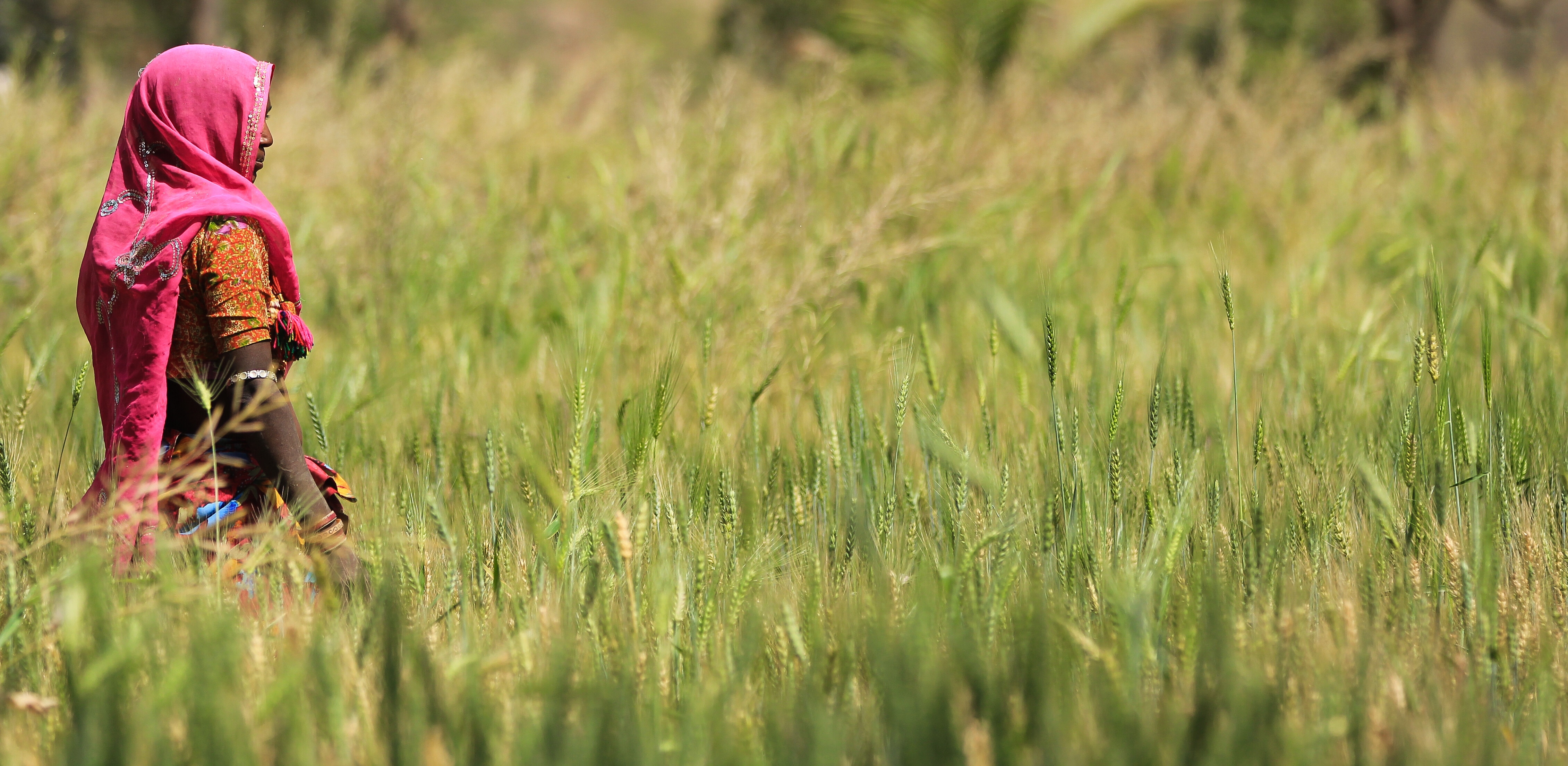
Protecting longevity in a warming world means building more climate-resilient years of life. Image: Shutterstock/Ozphotoguy
- Global life expectancy has more than doubled over the past century, as people seek longer, healthier lives amid the growing impacts of climate change.
- Climate change interacts with existing pressures — from disease to food insecurity and unsafe housing — and could slow or even reverse recent gains in longevity in some regions.
- Addressing these disparities requires rethinking how economies, cities and health systems support longer, healthier lives for all.
Global life expectancy has more than doubled in just over a century, from around 32 years in 1900 to about 73 years today. This is the result of cleaner water, better nutrition, vaccines and more resilient health systems.
But these gains now face a slower-burning threat: A rapidly warming planet.
Climate change has long been associated with risks such as sea-level rise and biodiversity loss. Now it raises deeper questions of whether future generations will live not only longer lives, but healthier ones – and whether these gains in longevity will be distributed fairly within and between countries.
The World Health Organization estimates that, between 2030 and 2050, climate change could cause about 250,000 additional deaths every year from undernutrition, malaria, diarrhoea and heat stress. This figure does not even fully capture deaths linked to disrupted health services, conflict, forced migration or worsening air quality.
The risks are uneven. Older adults are more vulnerable to heatwaves, air pollution and extreme weather, which increase heart attacks, strokes and respiratory disease. Children are more exposed to undernutrition, infectious diseases and the long-term impact of toxic air on lung and brain development. People in low-income and climate-vulnerable countries often face these threats with the weakest health and social protection systems.
Climate change acts as a risk multiplier on longevity, interacting with existing burdens such as non-communicable diseases, food insecurity and unsafe housing. It threatens to slow, and in some places reverse, the remarkable life expectancy gains of the last century.
A widening longevity gap
These pressures are opening a “longevity gap” both within and between countries.
Data has shown that residents of wealthier, greener neighbourhoods can expect to live close to a decade longer than those in hotter, more polluted or deprived areas. This gap is linked partly to climate and environmental stressors. Low- and middle-income countries, which have contributed least to historical emissions, are already experiencing crop failures, floods and shifting patterns of vector-borne disease that undermine health and nutrition, especially among children.
Rapidly ageing societies, from Southern Europe to East Asia, now face the double challenge of rising numbers of older people and rising climate risks, straining health and care systems. These disparities are moral failures, but they are also macroeconomic risks because climate-sensitive illnesses and productivity losses can erode growth and public finances.
Building ‘climate-resilient years of life’
Protecting longevity in a warming world means shifting from counting years of life to building climate-resilient years of life.
First, health systems must become climate resilient. Hospitals and clinics need to withstand heatwaves, floods and storms, with robust infrastructure, diversified energy sources and supply chains that can function under stress. Initiatives supported by the World Health Organization and partners are helping countries integrate climate risk into health planning, starting from risk assessments to climate-smart facility design.
Second, living environments must become healthier and lower carbon. The same actions that cut emissions can extend healthy life. Cleaner transport reduces air pollution and cardiovascular disease. Cooler, greener cities reduce heat stress and improve mental wellbeing. Sustainable food systems that enable more plant-based diets can lower greenhouse gas emissions while reducing obesity, diabetes and heart disease.
Third, ageing and climate policy need to sit under one roof. Most countries treat these as separate conversations, but both require long-term planning, intergenerational fairness and prevention-focused investment. Aligning national climate plans with healthy ageing strategies can help governments invest once and reap multiple benefits, from fewer hospitalisations during heatwaves to stronger community resilience during disasters.

What does this mean for business?
Heat, air pollution and climate-related disease already affect worker productivity, absenteeism and health costs. Ageing, climate-stressed populations will shape demand for housing, insurance, financial products, food and healthcare. The growing “longevity economy”, that is, goods and services for older adults, will depend on how well societies keep people healthy and active in harsher environments.
Investors are beginning to connect the dots. Health and climate are more visible in ESG frameworks but are still often assessed in isolation. Integrating climate–health–longevity metrics, including heat-related productivity loss, climate-linked health claims or resilience of health infrastructure, could become a new frontier in risk and opportunity assessment.
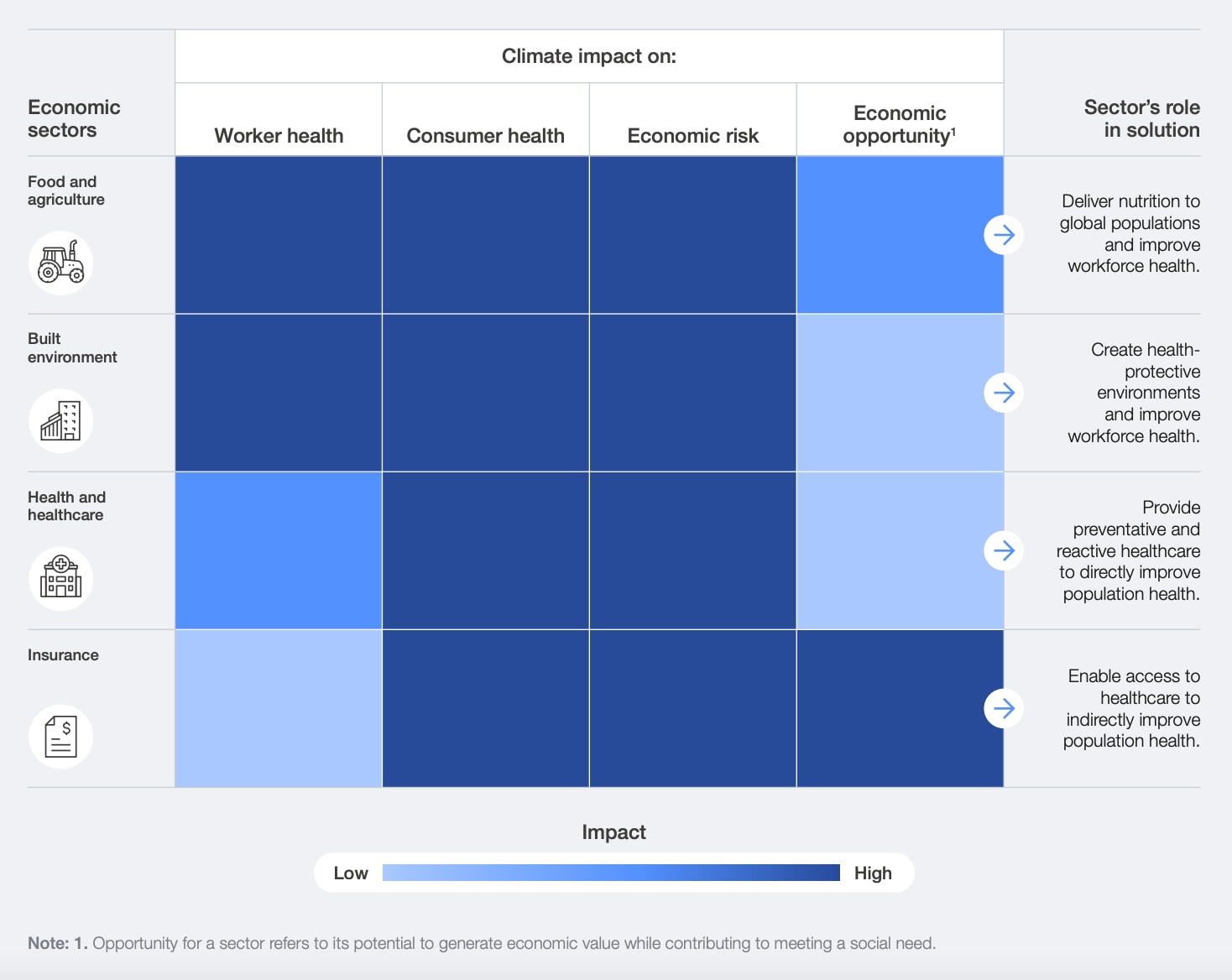
Living longer in a warming world
Promising solutions are already visible, the challenge is to scale and connect them.
Heat action plans are being integrated in municipalities such as Ahmedabad in India and Barcelona in Spain, with early warning systems, neighbourhood cooling centres and targeted outreach to older adults and people with chronic conditions.
Hospitals are installing solar panels, improving energy efficiency and redesigning buildings to stay functional during extreme weather, while also cutting their own emissions. Primary care systems are using community health workers and digital tools to support services during climate shocks such as floods or wildfires.
Several governments have also put forward policies covering malaria control in warming regions, as well as to address the mental health impacts of heat and displacement. Such policies are prototypes of a new social contract for longevity in the Anthropocene.
A child born now could expect to live into their 80s, but only if the foundations of their health are protected by a stable climate and functioning ecosystems. Every tonne of emissions avoided, every degree of avoided warming, every city redesigned for clean air and walkability is also an investment in human longevity.
This is where global frameworks converge. The Paris Agreement, the Sustainable Development Goals and the UN Decade of Healthy Ageing all aim, in different ways, to extend both the length and quality of human life. Rather than simply trying to live longer in a warming world, there is a growing need to rethink how economies, cities and health systems support longer, healthier lives for everyone.
Don't miss any update on this topic
Create a free account and access your personalized content collection with our latest publications and analyses.
License and Republishing
World Economic Forum articles may be republished in accordance with the Creative Commons Attribution-NonCommercial-NoDerivatives 4.0 International Public License, and in accordance with our Terms of Use.
The views expressed in this article are those of the author alone and not the World Economic Forum.
Stay up to date:
Climate and Health
Related topics:


Forum Stories newsletter
Bringing you weekly curated insights and analysis on the global issues that matter.
More on Health and Healthcare SystemsSee all

Hong Yew Lim
October 7, 2026


