Blockade diplomacy, energy as leverage and other geopolitical stories to know this month
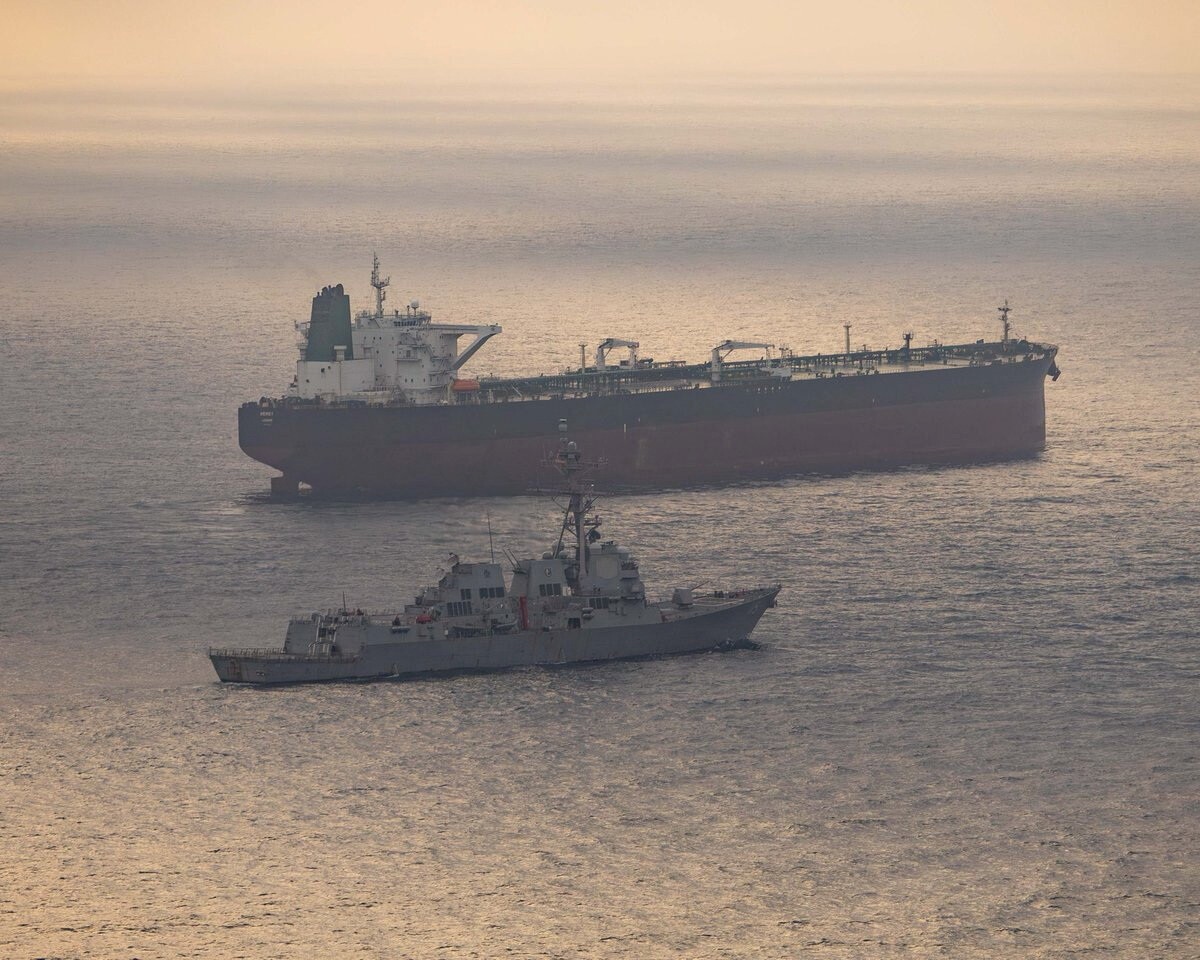
The Strait of Hormuz has become a geopolitical chokepoint as Iran and the US continue to negotiations. Image: REUTERS
- This monthly round-up brings you a selection of the latest news and updates on the latest geopolitical developments.
- Top international stories: naval blockades become a diplomatic tool; energy supply chains are being used as political levers; and all eyes on Beijing as Trump, Xi set to meet.
1. Blockade diplomacy takes over as US-Iran negotiations stall
The Iran conflict has now shifted into a phase of blockade diplomacy, with the US tightening pressure on Iranian ports, while Iran continues to threaten shipping through the Strait of Hormuz.
What has resulted is entrenchment rather than a solution. Yet the stand-off may not be sustainable and could ultimately leave Iran with more leverage than Washington intends, according to Max Boot of the Council on Foreign Relations. That dynamic was underscored when US plans to escort ships through the Strait were abruptly halted. The reason cited was progress in the high-pressure negotiations in Pakistan, which saw a further extension of US ultimatums threatening core infrastructure in Iran.
The wider significance of the blockade is that maritime pressure is no longer just accompanying diplomacy; it is shaping the terms of negotiation itself.
Furthermore, the global impact of the Middle East conflict continues to ripple outwards. Europe and Britain are torn between their global geopolitical ambitions and their willingness to use military power – or the lack thereof, according to an analysis in Foreign Policy. China is also continuing to monitor the situation, not just as a long-standing partner of Iran but also, as an article in The Diplomat suggests, to take away strategic learnings for a potential future conflict with the US over Taiwan.
2. Energy reemerges a geopolitical lever
Energy has long been used as a geopolitical tool, from the 1970s oil crisis to the war in Ukraine.
The Iran conflict has reinforced that connection, spilling quickly into the wider economy. Lufthansa cut flights, European governments began planning for fuel shortages, and markets swung in real time with each diplomatic signal. Furthermore, developing economies have been particularly impacted given the knock-on effects on the cost of food and other essentials.
As the Eurasia Group's Gregory Brew argues in Foreign Affairs, Iran’s key weapon is not just oil but its ability to disrupt shipping and energy flows. Control over Hormuz may prove more durable than past shocks, because military pressure alone has not reopened the waterway. Even if the current standoff eases, the risk of future blockades will keep pushing governments and businesses to look for alternative routes and supply lines.

In the Financial Times, the United Arab Emirates ambassador to the US, Yousef Al Otaiba, framed the country's exit from OPEC as part of a broader strategy of economic diversification, energy independence and regional stability.
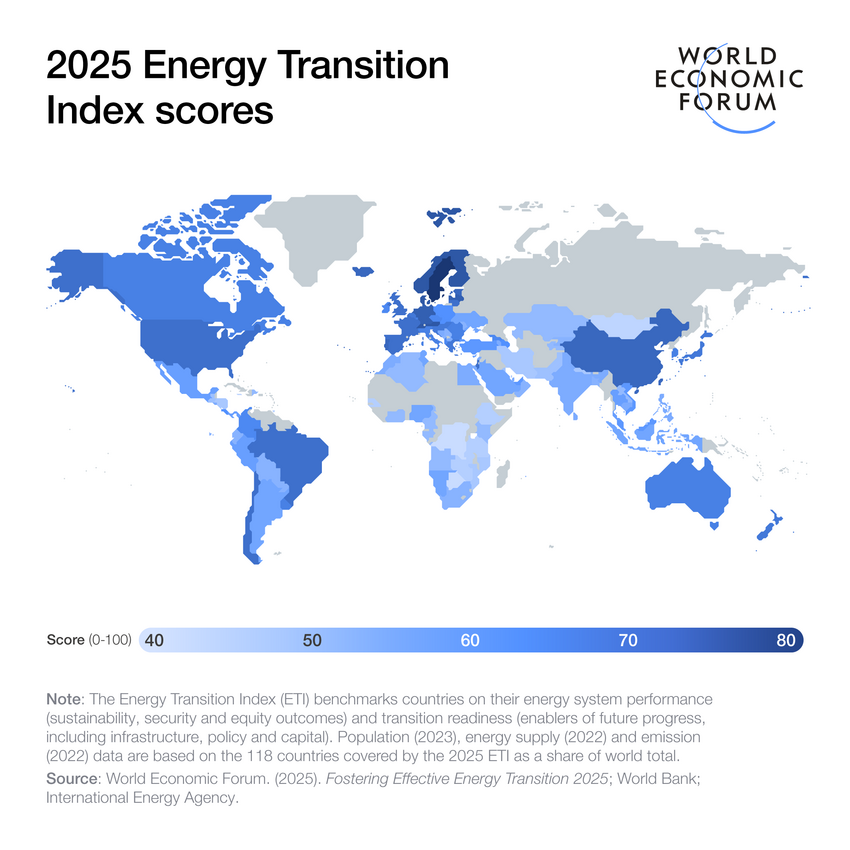
Another lesson from the conflict is the need to accelerate the energy transition, reducing the economic damage caused by future oil shocks. Yet the World Economic Forum’s Energy Transition Index 2025 showed how slow that progress remains: despite the Ukraine war and strong policy momentum, energy innovation improved by just 1.1%.

3. News in brief: Geopolitical developments from around the world
The conflict in the Middle East is overshadowing the future of NATO, as President Trump has floated a potential future of the alliance without the US. In the wake of this, Europe has been working on fallback plans to ensure its continued protection should the US leave. Amid threats of US troop withdrawal, Germany has ramped up its defence spending while France has been in talks with several European countries to extend its nuclear deterrent to them. France has also agreed greater cooperation with the UK.
On the Eastern borders of the EU, Hungary's national elections ended the 16-year reign of Victor Orbán's nationalist, pro-Russian Fidesz party. Politico reports that the incoming prime Minister, Péter Magyar, wants to deepen ties with Austria and other Central European states in what has been likened to the Benelux model as well as resetting relations with the EU and returning Hungary to liberal democracy.
In Asia, following a visit from the leader of Taiwan's opposition party KMT, Chang Li, China unveiled new incentives for Taiwan. These included the easing of tourism restrictions such as the resumption of direct flights between Taiwan and China and improved access for Taiwanese TV programmes. This suggests that China's strategy towards Taiwan is becoming more political and economic, not just military.
With AI now a geopolitical driver, Elon Musk's court case against OpenAI and its co-founder Sam Altman is more than corporate drama. OpenAI's move from non-profit to for-profit raises questions not only about Musk's missed early returns but also, more importantly, about who should control a frontier technology with major global economic impact.
4. More on geopolitics on Forum Stories
After several weeks of delay, US President Donald Trump and Chinese President Xi Jinping are scheduled to meet in Beijing this week. The meeting will mark the first visit to China by a US president since November 2017, when Trump last visited. This month, Trump and Xi will meet against a particularly tense geopolitical backdrop, as the war in the Middle East disrupts global energy markets and adds a new layer of strain to an already fragile US–China relationship.


We tend to look at AI, the energy transition and geopolitical realignment as separate challenges, yet Mark Esposito, Faculty Associate at the Harvard Kennedy School of Government, argues that they make up a single, “triple transition”. He argues that digital strategy, infrastructure resilience and international politics cannot be treated as separate issues because they are increasingly becoming interdependent.
The Strait of Hormuz has always been a key geopolitical chokepoint given its role in global oil and LNG flows and the immediate market shock created when those flows are threatened. The Iran conflict has reinforced yet again the idea that small transit points like the Strait can have outsized effects on trade, energy security and international stability.
Recent events have underscored that as conflict spreads, the world faces knock-on effects on food, jobs, healthcare and the environment, to name a few. Emily Farnworth, Chief Executive Officer of Chapter Zero Alliance, and Alice Ruhweza, President, Alliance for a Green Revolution in Africa (AGRA), argue that as nations increasingly deploy tariffs or sanctions, safeguarding trade flows and stabilizing critical supply chains will prevent those shifts lead to suffering for the most vulnerable.
License and Republishing
World Economic Forum articles may be republished in accordance with the Creative Commons Attribution-NonCommercial-NoDerivatives 4.0 International Public License, and in accordance with our Terms of Use.
The views expressed in this article are those of the author alone and not the World Economic Forum.

Forum Stories newsletter
Bringing you weekly curated insights and analysis on the global issues that matter.
More on Geo-Economics and PoliticsSee all

E. Richard Gold
September 30, 2026


