The future of our forests relies on aligned finance – that makes sense for all stakeholders
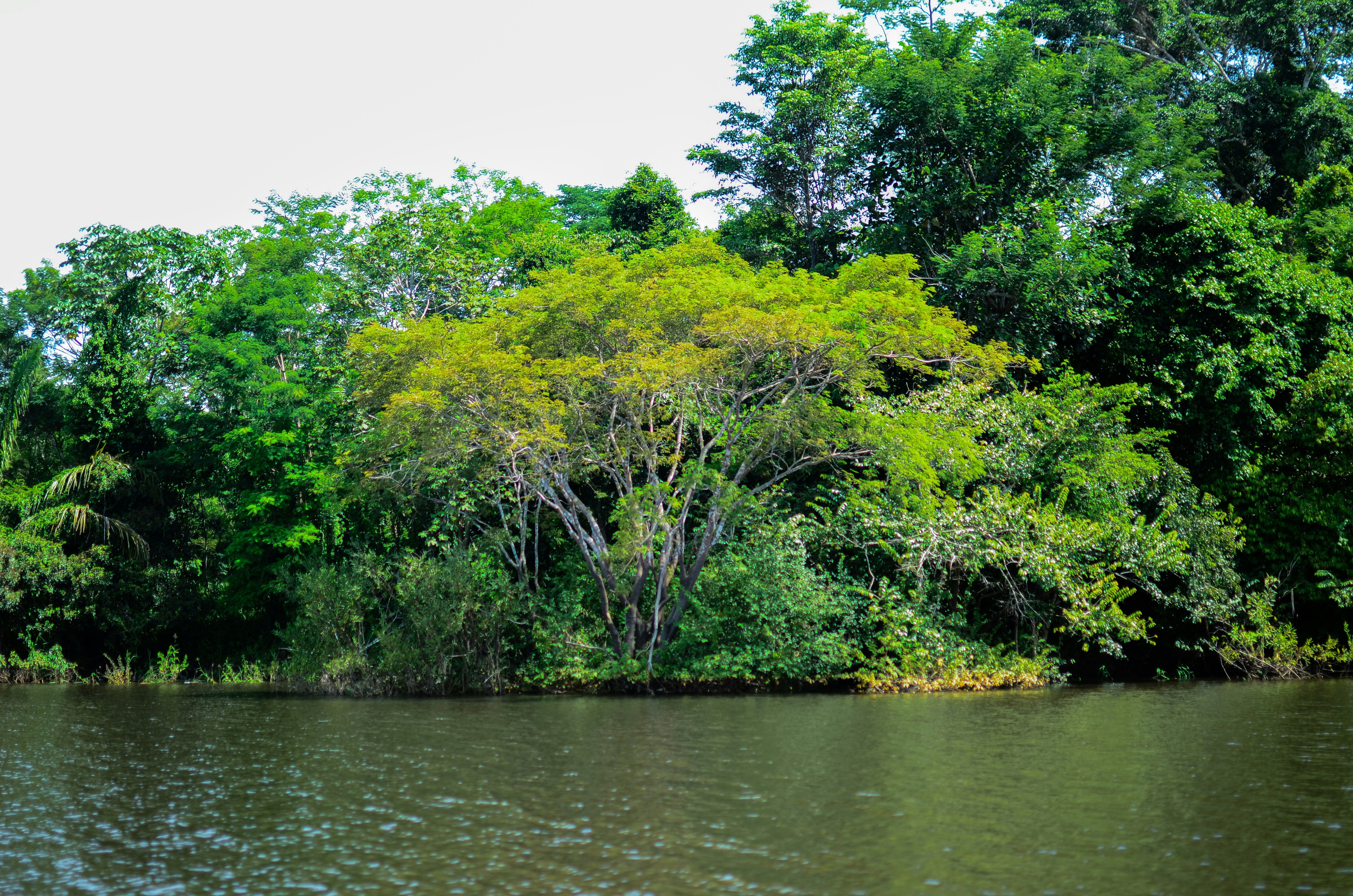
Investing in forests is a smart investment Image: rohit-tandon/unsplash
- Forests underpin climate regulation, water security, livelihoods and economic growth, yet are missing $216 billion USD in finance every year to maintain their health and our wellbeing.
- This issue is most acute at the ‘forest frontier,’ where agricultural land-use, degraded land and intact forests meet with the potential for a competitive return on capital, sustainable livelihoods and healthy ecosystems.
- The Atlantic forests, Andes and Amazon show how different forms of capital working together can generate returns for investors, the forests and their peoples.
From water security and climate regulation to livelihood development and food security – healthy forest landscapes support thriving ecosystems, societies and economies. And that’s not just the tree in your local park – it also applies to rural forests far from urban centres.
Despite a growing understanding of the importance of forests, financing their conservation, restoration, stewardship and resilience remains far below what’s needed. The UN Environment Programme estimates an annual gap of $216 billion USD. Private capital is just a tiny fraction of current investments, yet it holds the potential to generate attractive returns on investment for models that make sense to all stakeholders of a landscape.
Beyond halting deforestation by 2030 – a commitment made by 141 countries in Glasgow in 2021 – ecologically responsible, socially appropriate and economically productive models in and around forests are urgently needed. Pilots are yielding impressive returns – principally when systems are structured appropriately to incentivize collective gains over individual gains. These collaborations are more resilient in the face of change. And we’re seeing a lot of change in forests as climates warm and become less stable.
Where better to focus attention, than along the ‘forest frontier’ – the mosaic that encompasses agricultural land-use and degraded landscapes alongside fragmented and intact forests. This is, after all, the frontier of both challenge and enormous potential.
Across Latin America, governments, investors, philanthropies, companies and communities are testing new approaches that channel capital into the forest frontier while supporting economic development, human lives and livelihoods, alongside outcomes for nature.
The Andes: Catalysing investment through community stewardship
Stretching across seven countries, the Andes form the ecological backbone of western South America. Its glaciers, páramos, cloud forests and mountain ecosystems provide water, food security and livelihoods for an estimated 90 million people, while supporting some of the highest levels of biodiversity on Earth. The mountain range is also the source of many of the Amazon’s headwaters, sustaining the world's largest rainforest and millions of people downstream.
Yet these landscapes are under growing pressure from climate change, land-use conversion and ecosystem degradation. An estimated 80% of the Tropical Andes' original habitat is already altered or lost. Modelling studies indicate that western Amazon forests near the Andes are likely to remain comparatively resilient as climate change unfolds and may play a key role in the Amazon's longer-term recovery, should parts of the basin experience climate-driven ecological tipping points.
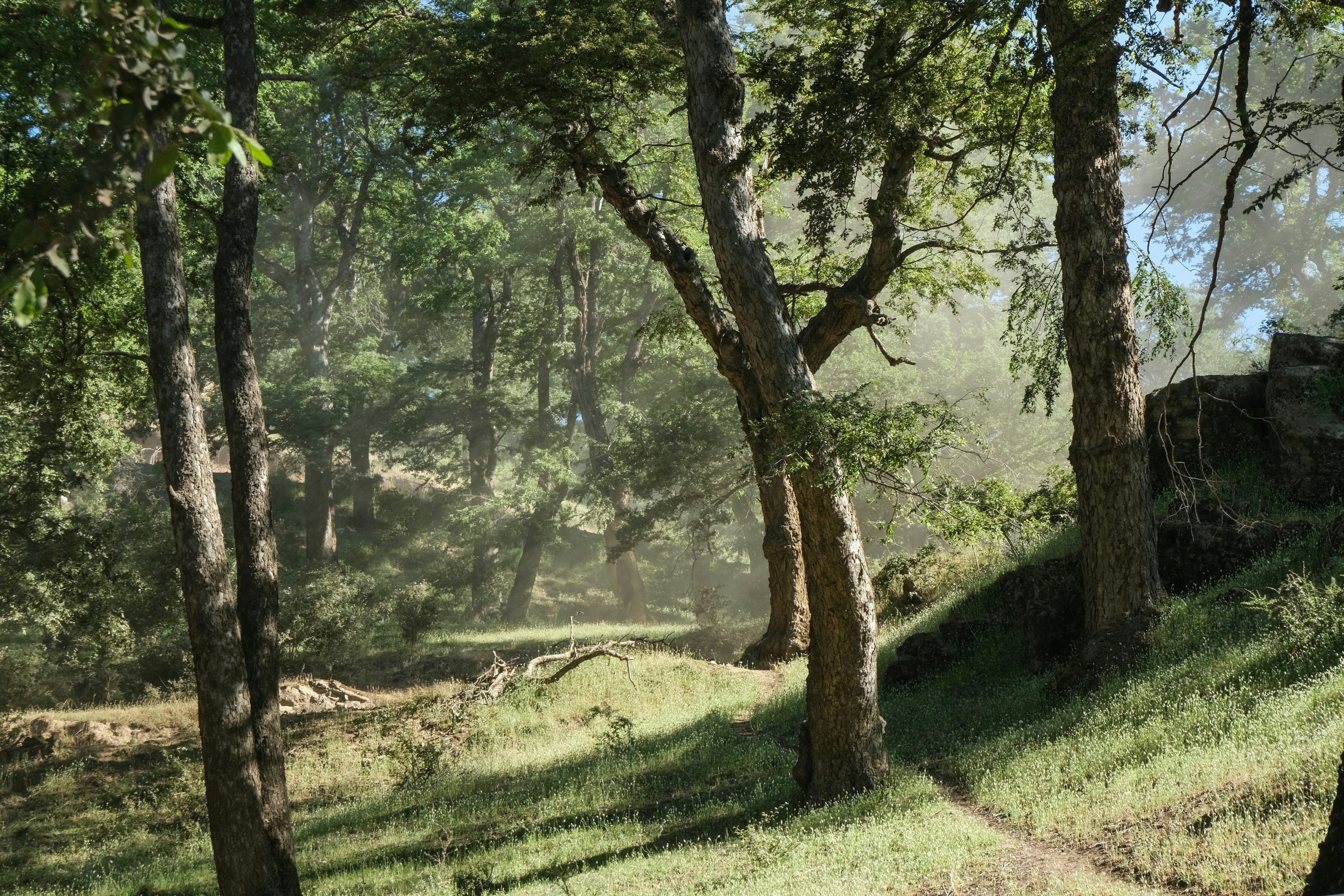
The Andes remain underfunded compared to its Amazonian peer. Yet this creates a significant opportunity too. As one of Latin America's most important forest-frontier landscapes – where conservation, restoration, agriculture, water security and community livelihoods intersect – the region offers fertile ground for new financing approaches that can support both ecological resilience and economic development.
Fundación Jocotoco is building an integrated landscape investment platform that combines protected area management, ecosystem restoration, biodiversity monitoring and sustainable value chains. In landscapes, such as Ecuador's Chocó, it is creating a pipeline of investment opportunities, including watershed restoration, ecological connectivity and nature-based enterprises, capable of attracting philanthropic, public and return-seeking private capital.
At its Canandé Reserve, research shows that previously degraded rainforest has recovered remarkably within 25 years, illustrating how strategic investment can restore biodiversity, while strengthening climate resilience and local livelihoods.
In the Andes, where relatively modest levels of catalytic capital can still unlock outsized impact, the opportunity is not only to conserve nature, but to create investable pathways that strengthen water security, livelihoods and long-term resilience and prosperity for millions of people.
The Amazon: Aligning incentives for standing forests
As the world's largest tropical rainforest, the Amazon stores vast amounts of carbon, supports unparalleled biodiversity and regulates rainfall patterns across South America. Yet economic incentives have historically favoured forest clearance over conservation, restoration and sustainable land management.
That equation is beginning to change. Governments, investors, philanthropies and communities are exploring new ways to align capital around the long-term value of healthy forest landscapes. Alongside growing markets for carbon, biodiversity and ecosystem services, a new generation of financing mechanisms is emerging that seeks to reward stewardship of standing forests while supporting restoration, sustainable production and local livelihoods.

The Tropical Forest Forever Facility reflects this shift. By seeking to create long-term financial incentives for countries that conserve tropical forests, the initiative aims to help align economic development alongside forest protection at scale. Together with landscape-level investment approaches across the forest frontier, it signals a broader move from financing individual projects towards supporting entire ecosystems and the communities that depend on them.
The Atlantic Forest: Coordinating actors across borders
Stretching along Brazil's Atlantic coast and inland into Argentina and Paraguay, the Atlantic Forest is one of the world's most threatened biodiversity hotspots, with nearly 90% of its original vegetation lost. Yet it has also become one of the most ambitious restoration efforts globally.
The Trinational Atlantic Forest Restoration Pact and Trinational Alliance for the Restoration of the Atlantic Forest bring together businesses, NGOs, landowners and local communities with input from governments around a shared goal of restoring 15 million hectares of degraded landscapes across Argentina, Brazil and Paraguay by 2050 – an addition of just over one third of existing native vegetation. By aligning planning, monitoring and financing across borders, the initiative demonstrates how landscape-scale collaboration can create the long-term conditions needed to attract international investment and deliver restoration outcomes.
The initiative illustrates how coordination, aggregation and shared governance can help overcome one of the biggest barriers to forest finance: the fragmentation of projects and stakeholders that often limits investment at scale.
Belterra Agroflorestas - Advancing regenerative agroforestry in the Amazon
Co-investing at the forest frontier
What unites the Andes, Atlantic forest and Amazon is not a single financing model, but a shared recognition that forests require new forms of collaboration between governments, investors, philanthropies, Indigenous Peoples and local communities are exploring new ways that account and optimize for many different actors, each of which have different needs and incentives.
At London Climate Action Week, the Forest Future Alliance is co-hosting a session with Salesforce called Capital for the Canopy. We bring together stakeholders from these Latin American landscapes to discuss what is needed to unlock collaboration between catalytic and return-seeking capital for conservation, restoration, stewardship and resilience. Resourcing the connective tissue between capital providers holds the potential to unlock greater levels of aligned investments for the forested landscape so valuable to human thriving. Whilst results take time, they are more durable and resilient in turbulent times.
Next time you sit under a tree and watch the world go by, keep in mind the role of forests in our lives and livelihoods. The future of forests will depend on our collective ability to align incentives across capital providers, the needs of local landscapes and the communities they house. They are our forests and our future too.
Don't miss any update on this topic
Create a free account and access your personalized content collection with our latest publications and analyses.
License and Republishing
World Economic Forum articles may be republished in accordance with the Creative Commons Attribution-NonCommercial-NoDerivatives 4.0 International Public License, and in accordance with our Terms of Use.
The views expressed in this article are those of the author alone and not the World Economic Forum.
Stay up to date:
Forests


Forum Stories newsletter
Bringing you weekly curated insights and analysis on the global issues that matter.
More on Nature and BiodiversitySee all

Benoit Bégot and Michael Donatti
September 21, 2026