This article has been updated.
Earth Day takes place every year on 22 April and is one of the biggest environmental protest movements on the planet.
The theme is once again 'Our Power, Our Planet', but the focus has shifted from the power grid to the power of action - highlighting how community innovation and local problem-solving endure, regardless of policy shifts.
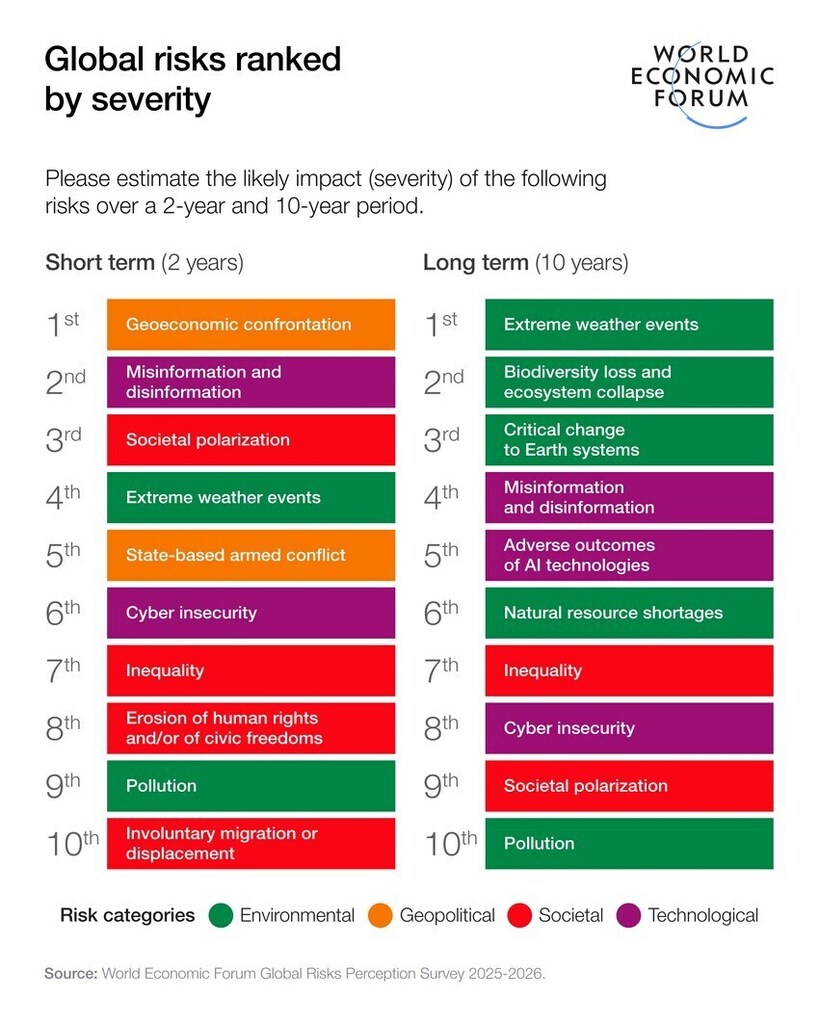
The World Economic Forum's Global Risks Report 2026 finds that environmental risks continue to dominate the global landscape, accounting for half of the top 10 risks over the next 10 years.
“Good evening, a unique day in American history is ending. A day set aside for a nationwide outpouring of mankind seeking its own survival.”
Those were the words of US TV presenter Walter Cronkite as he described the aftermath of the first Earth Day back in 1970.
Here’s what you need to know about Earth Day in 2026.
What is Earth Day, and what is the theme in 2026?
Earth Day is an international day devoted to our planet. It draws attention to the environment and promotes conservation and sustainability.
Each year on 22 April, around 1 billion people around the world take action to raise awareness of the climate crisis and bring about behavioural change to protect the environment.
Although climate change is one of the defining challenges of our time, Earth Day is also about the health of forests, oceans, freshwater systems, soils, and biodiversity. These systems underpin food production, human health, economic resilience, and livelihoods.
Protecting nature is not separate from climate action: healthy ecosystems absorb carbon, reduce disaster risks and support communities in adapting to a changing world.
Participation in Earth Day can take many forms, including small home or classroom projects like planting a herb garden or picking up litter. People also volunteer to plant trees, join other ecological initiatives or take part in street protests about climate change and environmental degradation.
Official Earth Day 2026 campaigns focus on civic mobilization and democratic action. They aim to increase environmental literacy while organizing events such as voter registration drives, community "teach-ins" and town halls to defend environmental safeguards at local and national levels.
These projects bring together like-minded groups to address urgent challenges. Key 2026 initiatives include:
The 25% Revolution: A campaign focused on how committed social action can change norms and drive markets.
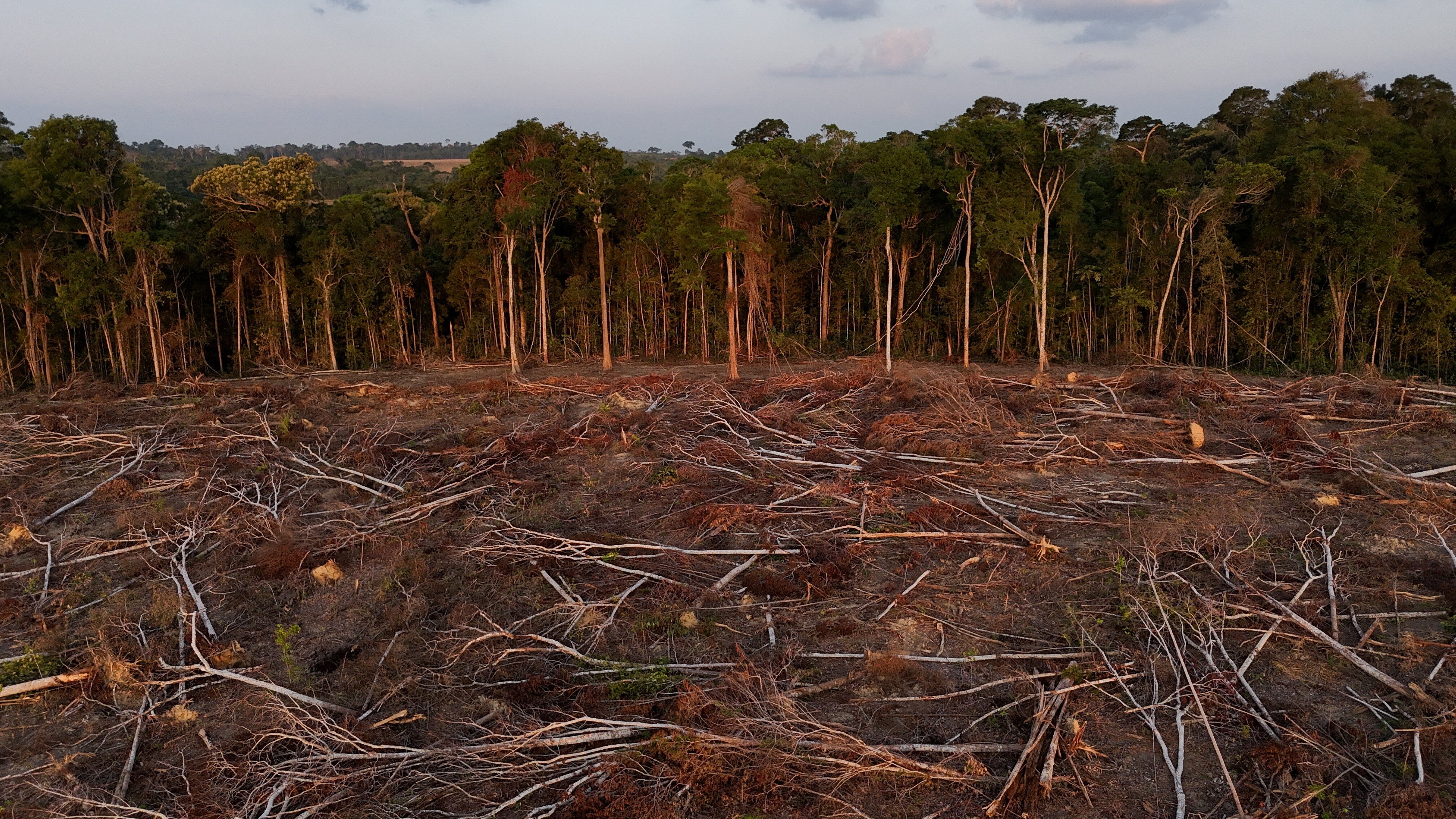
The Canopy Project: Global reforestation efforts to improve local air quality and biodiversity.
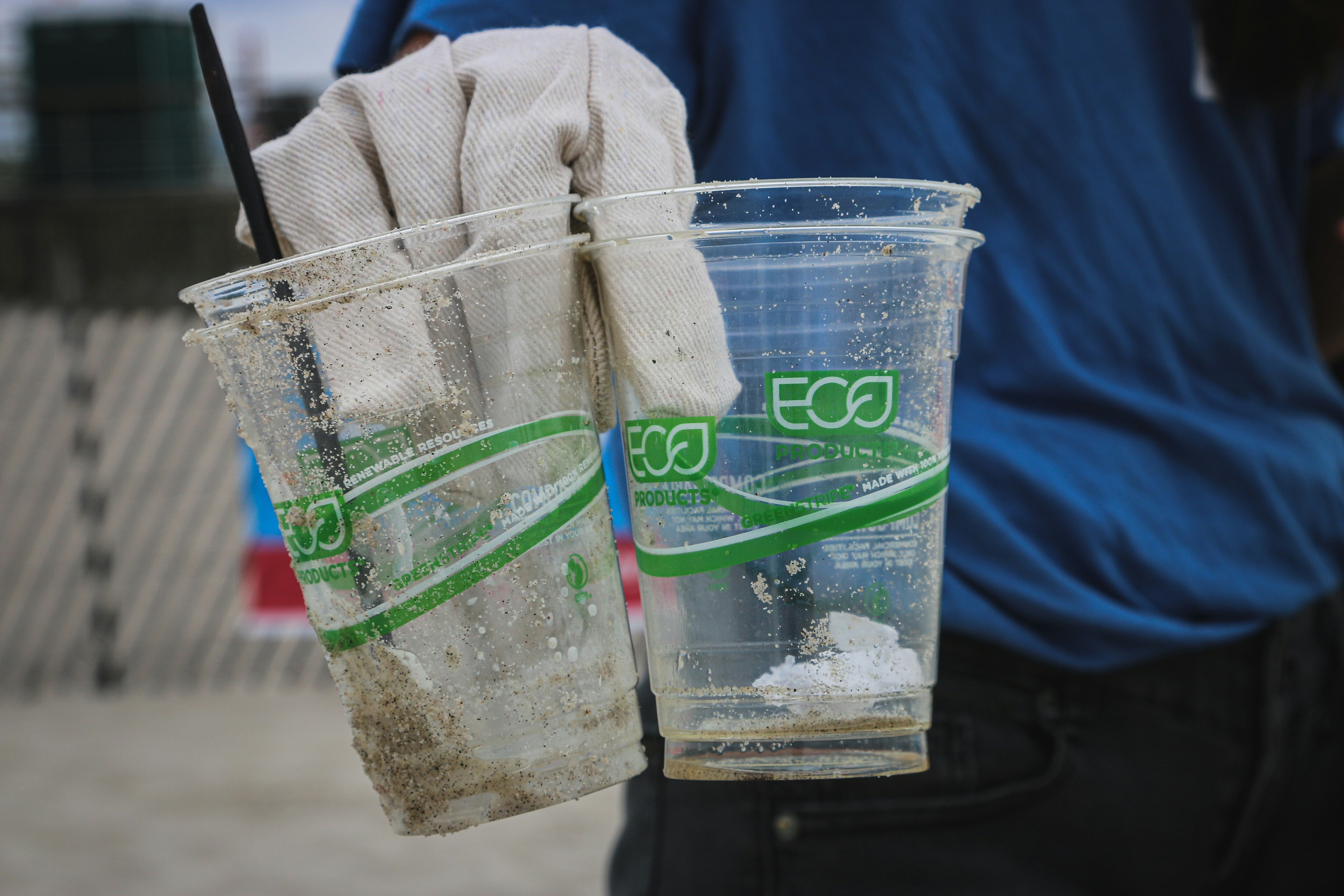
End Plastics: Beyond individual choices, this campaign tackles the systemic, large-scale sources of plastic.
Global Earth Challenge: Empowering citizens to collect scientific data on air quality and insect populations via a mobile app.
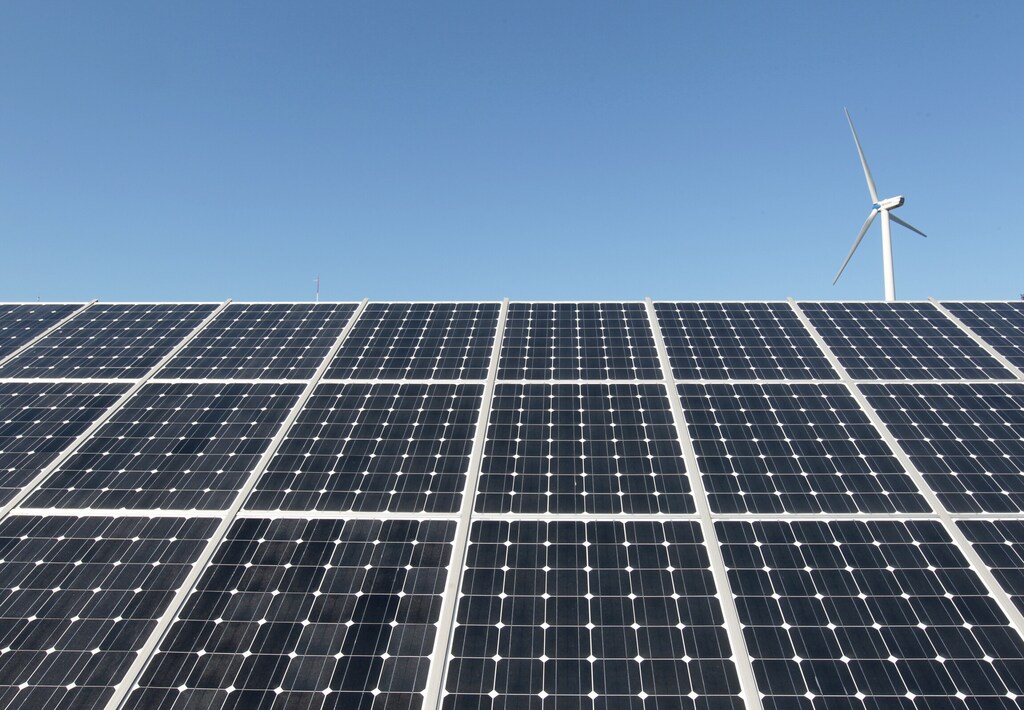
This year’s returning Earth Day theme, ‘Our Power, Our Planet’, puts human agency front and centre. It has evolved from a push for clean energy in 2025 into a bold reminder: even as policies waver, communities hold the power to innovate and solve problems where they live.
Collective action is becoming increasingly important to keeping societies stable and helping them adapt. Data from the World Meteorological Organization and Copernicus shows that 2024 was the first full year to exceed 1.5°C above pre‑industrial levels, with 2025 following as one of the three warmest years on record.

How did Earth Day begin?
Millions of people took to the streets of US cities and towns on 22 April 1970 in mass protests over the damage being done to the planet and its resources.
Amid the demonstrations, protesters brought New York City’s usually bustling Fifth Avenue to a halt, while students in Boston held a “die-in” at Logan Airport.
The environmental impact of the post-war consumer boom was beginning to be felt at that time. Oil spills, factory pollution and other ecological threats were on the rise, with little if any legislation in place to prevent them.
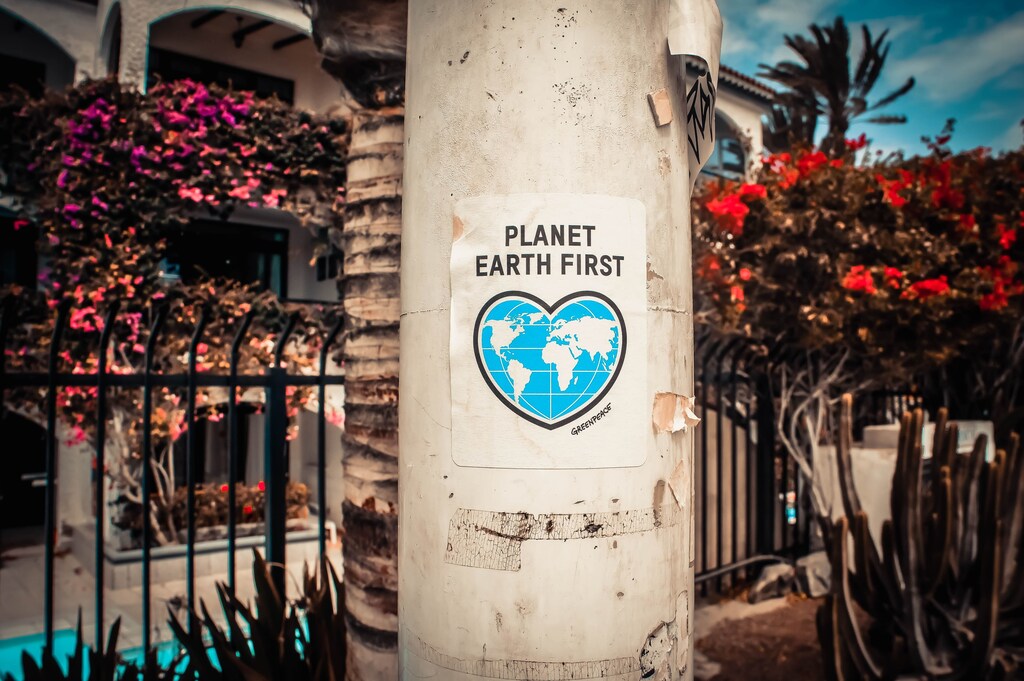
The protests brought together people from all walks of American life – accounting for about 10% of the US population – to demonstrate and voice their demands for sustainable change. The Earth Day website calls it the birth of the modern environmental movement.
What led to the street protests in 1970?
Concerned about increasing levels of unchecked environmental destruction, Junior Senator Gaylord Nelson of Wisconsin suggested a series of “teach-ins” on university campuses across the US in 1969 to raise awareness of environmental threats.
Nelson was joined by Congressman Pete McCloskey and activist Denis Hayes to organize the teach-ins, but the group soon recognized an opportunity to broaden the event’s appeal beyond student populations.
The newly named Earth Day protest events attracted national media attention and support from around 20 million Americans across age and political spectrums, occupations and income groups.
What did the protests achieve?
The Earth Day demonstrations left an indelible mark on US policy. By the end of 1970, the US Environmental Protection Agency came into being and a stream of laws followed to help protect the environment. These included the National Environmental Education Act, the Occupational Safety and Health Act and the Clean Air Act.
Further legislation was soon introduced to protect water quality and endangered species, and to control the use of harmful chemicals and pesticides.
When did Earth Day go global?
Earth Day went beyond the US in 1990. Around 200 million people from 141 countries joined efforts to boost recycling around the world that year, paving the way for the 1992 United Nations Conference on Environment and Development in Rio de Janeiro, Brazil.
This “Earth Summit”, as it became known, led to the formation of the UN Convention on Climate Change and the UN Convention on Biological Diversity, along with the Commission on Sustainable Development to monitor and report on the implementation of Earth Summit agreements.
And as citizens were increasingly concerned with corporate impacts on the natural environment, big and small businesses started to feel the pressure to consider sustainability in their practice.
How has Earth Day evolved and what has it achieved?
When Earth Day began in 1970, public concern centred largely on visible pollution: smog, oil spills, toxic waste and dirty rivers.
Today, the agenda is broader and more interconnected. Climate change, biodiversity loss, deforestation, water stress, food insecurity and plastic pollution are increasingly seen as part of the same Earth systems challenge.
Earth Day now serves not only as a protest moment, but also as a platform for science, policy, business action, and public engagement.
Over the past five decades, it has helped turn environmental protection into a mainstream public issue, contributed to sustained civic pressure for policy action, and created an enduring annual moment for education, advocacy and accountability.
Why is Earth Day important today?
As the millennium loomed, the Earth Day movement turned its attention to the growing reality of the impending climate crisis with a clear message for world leaders and business: urgent action is needed to address global warming.
This message is even more relevant today. The 2025 UNEP Emissions Gap Report indicates that without a rapid and large-scale transformation of global energy systems, the world is on track for up to 2.8°C of warming by 2100. This level of warming would risk triggering climate tipping points across Earth’s systems, with severe consequences for food security, ecosystems and global stability, the IPCC warns.
The World Economic Forum's Global Risks Report 2026 finds that environmental risks continue to dominate the long-term landscape, accounting for half of the top 10 risks over the next 10 years. Extreme weather events, biodiversity loss and critical change to Earth's systems remain the top three most severe threats to global stability.
Nature is our biggest ally in fighting the climate crisis and has slowed global warming by absorbing 54% of human-related carbon dioxide emissions over the past 10 years. Yet, we are losing animals, marine species, plants and insects at an unprecedented rate, not seen in 10 million years. Threats from human activity for food production and ocean use, infrastructure, energy and mining endanger around 80% of all threatened or near-threatened species.
What Earth Day looks like today
Today, Earth Day is marked in many ways: community restoration projects, youth mobilization, corporate sustainability commitments, city-led clean transport measures, reforestation efforts and campaigns to cut waste and plastic pollution.
In 2026, there are more than 9,000 registered Earth Day events taking place across the globe - from cleanups to tree planting - and you can find details of them all here.
Governments, businesses, and civil society groups use the moment to launch initiatives, report progress, and encourage public participation. While challenges remain immense, Earth Day continues to create visibility, accountability, and momentum for action.
As we celebrate its 56th anniversary, we must make use of this truly global movement to act - as citizens and governments, as consumers and businesses, and as individuals and communities. Our survival could well depend on it.