Tariffs are back. This time we may know more about their cost-of-living bite
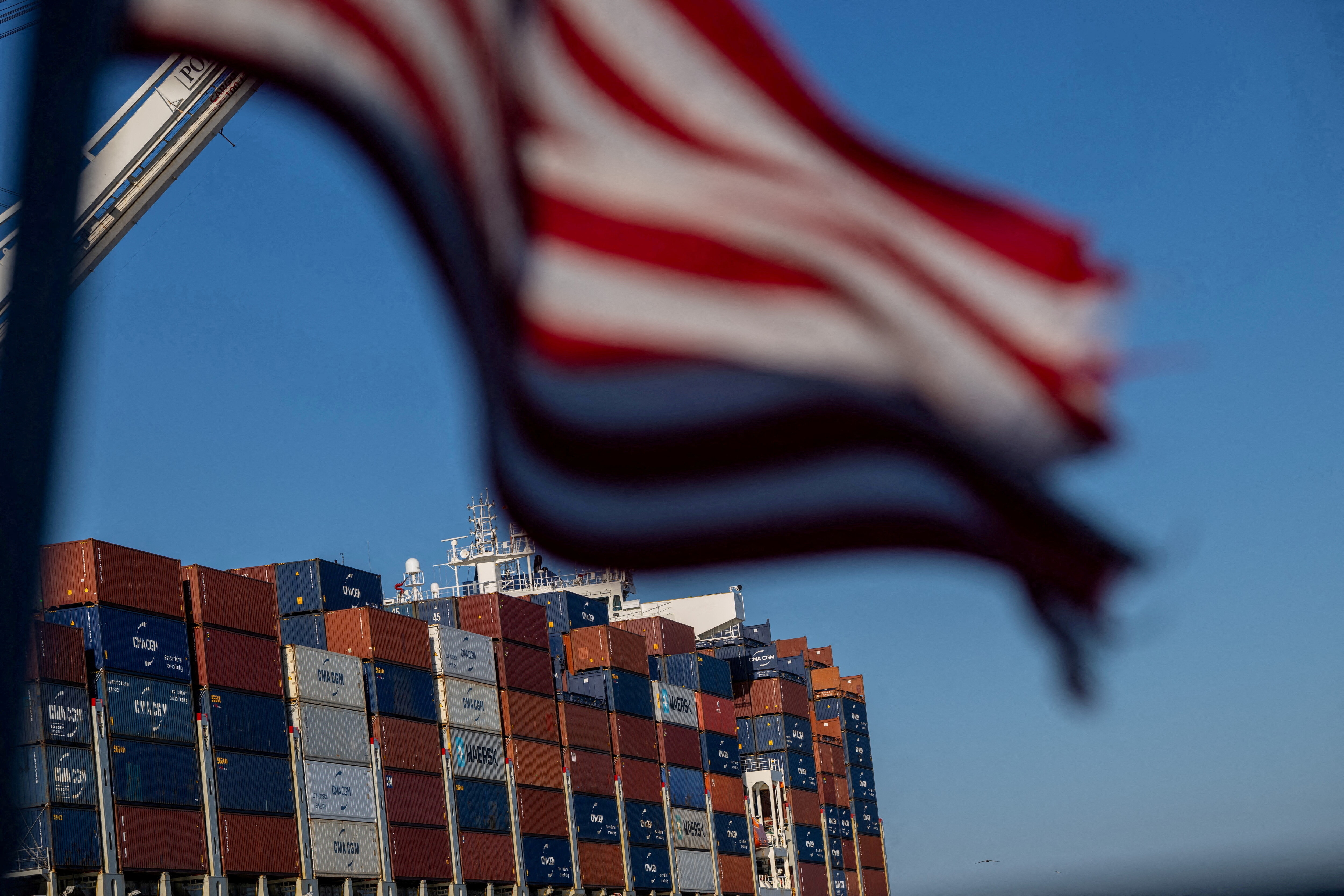
It's almost as if they never went away. What (more) have we learned about the impact tariffs have on inflation? Image: REUTERS/Carlos Barria
- Last year's initial deluge of US tariffs was met with warnings about the typical impact these trade restrictions have on inflation.
- Following a legal setback, the protectionist measures have been revived.
- What does recent experience and research tell us about how they affect the cost of everything from sofas to toothbrushes?
When Hollywood’s out of new ideas it reaches for a sequel.
A layering on of something familiar, to lure back audiences with a “Home Alone 2” or a “Godfather Part III.” Turns out, US tariffs also have sequels. The latest follow-up has a different title, but similar setup. Its effect on the cost of living may be similar, too.
What do we know about that effect by now?
The first wave of duties inundated the global economy more than a year ago. A 39% rate for gold from Switzerland here, 50% for jeans from Lesotho there. The bulk of them were eventually curtailed by a legal ruling, but in place long enough to register a readable imprint.
Have you read?
Now they’ve been revived in slightly different form, though a tariff is still a tariff: a tax aimed at businesses that import things from overseas, to encourage them to source different (potentially more expensive) things closer to home. Any added costs these companies pass on to the rest of us, directly or indirectly, can intensify inflation.
Number crunchers digging into the initial batch of US tariffs have tied them to a slow but relentless uptick in prices. More boa constrictor than rattlesnake. Now, any similar fallout from new tariffs would be paired with two relatively recent additions to the inflation universe: Iran war-related supply shock, and a small but meaningful contribution from heavy spending on artificial intelligence.
The average person doesn’t seem to need peer-reviewed research to know what tariffs alone can mean for household expenses. An influential survey of year-ahead inflation expectations conducted by the University of Michigan registered 6.6% in May of last year – shortly after the announcement of sweeping “Liberation Day” tariffs. That was the highest figure recorded since the country was shaking off the stagflation of the 1970s. US President Herbert Hoover has been invoked as a presidential portent. Jimmy Carter might be more apt.
Among more recent University of Michigan survey takers, one in four mentioned “tariffs” unprompted. That survey also showed that year-ahead inflation expectations had subsided to 4.6%. Better, but still “elevated.”
Of course, that’s sentiment. Educated guesses. Attempts to really quantify things are a bit different.
One bid by researchers at the US Federal Reserve found that prices for things Americans like to buy that originate in China, like furniture for their homes or electric toothbrushes, crawled 8.5% higher by the end of 2025 compared to a year earlier. That implies that the American companies selling these things passed on nearly a third of their tariff-related costs.
“Tariffs do not appear as a one-time price spike, but rather as a pattern of gradual and slow adjustments,” the researchers wrote.
More research by economists at the US Federal Reserve called this dynamic “slow to burn.” It noted that increasing tariffs by 10% (close to the current estimated average US tariff rate) usually starts to lift inflation a year later, and then continues lifting for a couple of years after that.
A subsequent attempt to measure the impact of last year’s tariff blitz zeroed in on the psychological aspect; it found that a price increase of 2% for a product led Americans to spend 4% less on it. Usually that meant choosing cheaper alternatives – not an option for low-income households, which bore the brunt of higher costs.
Tariff-related inflation may hit hardest in the US, but after-effects can be felt far and wide.
Companies with global footprints selling things like sandals and jewellery have tried to make up for tariff-related costs in the US by raising prices in other countries. That’s been more effective for some businesses than others.
Just passing through
There’s at least one reliable thing about sequels: they tend to make money.
The US government hauled in an estimated $189 billion in revenue from tariffs between October of last year and this past May (more than 500 times the worldwide box office for “Home Alone 2.”) But a US Supreme Court ruling in February found fault with the justification used for many of the measures. It mandated that the government pay back much of what it had earned, and upwards of $100 billion was slated for refunds as of last month.
A recent projection has the new set of tariffs earning nearly $1 trillion in added government revenue over the coming decade – though the measures still aren't expected to make much of a dent in the country’s sizeable public debt.
They’ll win plaudits for other reasons, though.
One American steel executive, recently announcing upbeat quarterly results for his company, lauded tariffs for stopping a “flood of unfairly traded steel into the US market.”
Yet, there will always be that nagging issue of related inflation. How much, who shoulders most of it, and why does it matter?
In 2024, something strange happened. Political parties around the world that were already in power, normally a considerable electoral advantage, lost elections in droves. The biggest gripe many voters had related to the cost of living. They didn’t necessarily have clear ideas about how to change things, they just wanted change.
That’s why inflation matters. Or at least, a big part of why. Election surprises can tip global affairs into unsettling new territory.
2024 actually wasn't so strange, historically speaking. A study published as the year drew to a close found that in dozens of countries and over many decades, a surprise, 10-percentage-point jump in inflation equated to a 15% gain in vote share for “extremist, anti-system, and populist parties.”
The odds of tariffs surprising anyone with their inflationary impact are slim, but things could still take a dramatic turn.
Companies have generally tried to absorb the costs of tariffs without too much "passthrough" to customers. The Yale Budget Lab doesn’t think that’s sustainable. It assumes that it's only a matter of time before businesses start passing on most of that additional overhead, because they're not going to be okay with crimping profit margins forever.
Meanwhile the people charged with keeping inflation in check are in an increasingly uncomfortable position. The political pressure to lower rates and flood economies with money is real. So is the time-honoured practice of raising rates when the inflation picture looks dicey.
Earlier this week the Federal Reserve opted to keep US rates steady despite persistent inflation. But Fed presidents in favour of a hike mustered more dissenting votes than have been recorded on a rate decision in a decade.
Controlling inflation means different players with differing interests coming to terms with the best way to keep a snake in its cage (boa constrictor or rattlesnake). Ideal central bankers are indifferent middlemen.
Making their jobs less difficult, and actively sidestepping the hazards that come with fanning inflation, might be worthy priorities.
Don't miss any update on this topic
Create a free account and access your personalized content collection with our latest publications and analyses.
License and Republishing
World Economic Forum articles may be republished in accordance with the Creative Commons Attribution-NonCommercial-NoDerivatives 4.0 International Public License, and in accordance with our Terms of Use.
The views expressed in this article are those of the author alone and not the World Economic Forum.
Related topics:

Forum Stories newsletter
Bringing you weekly curated insights and analysis on the global issues that matter.
More on Economic GrowthSee all

John Letzing
September 18, 2026


